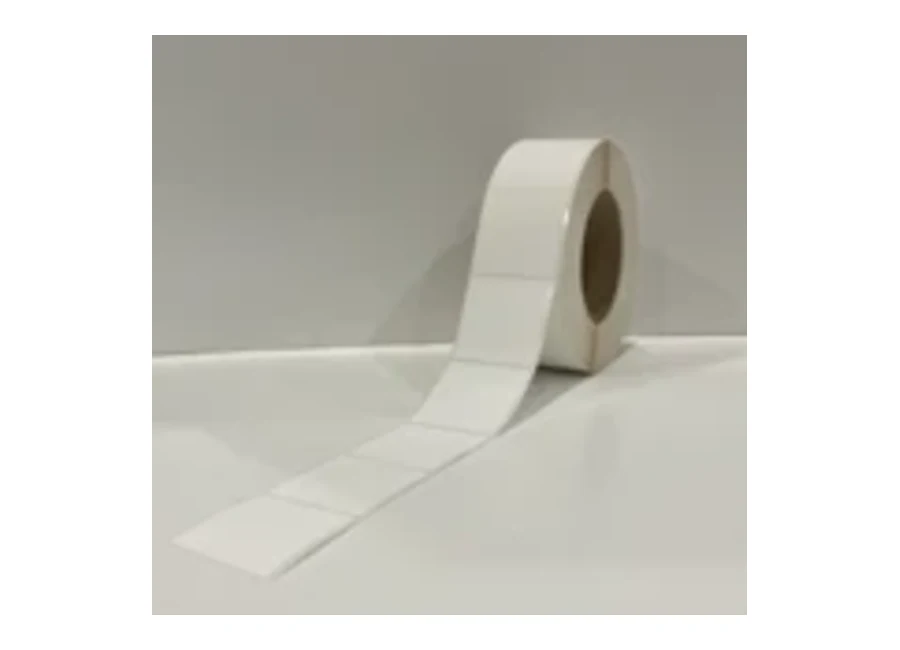
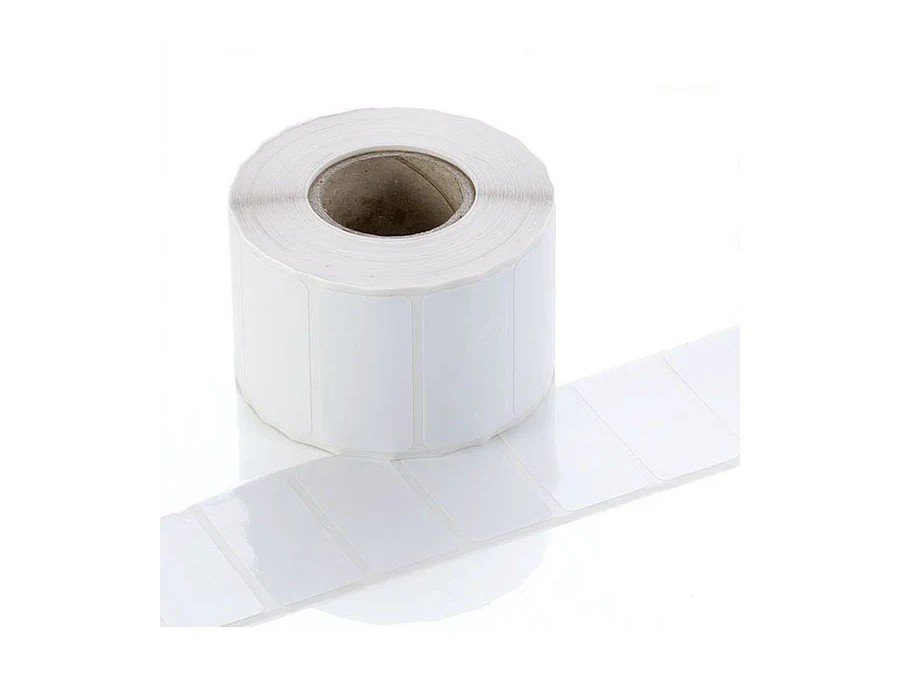
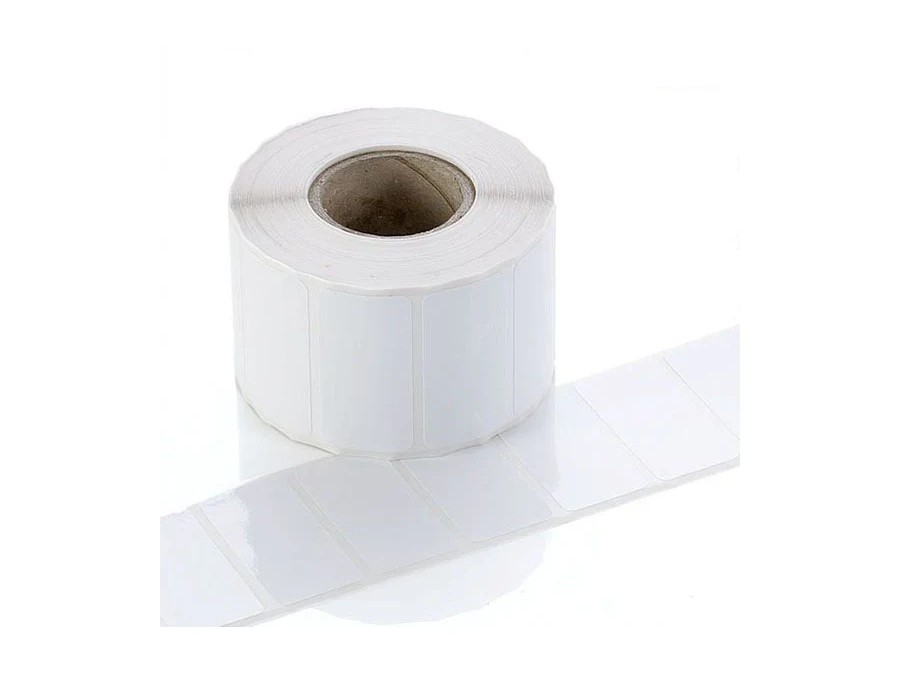
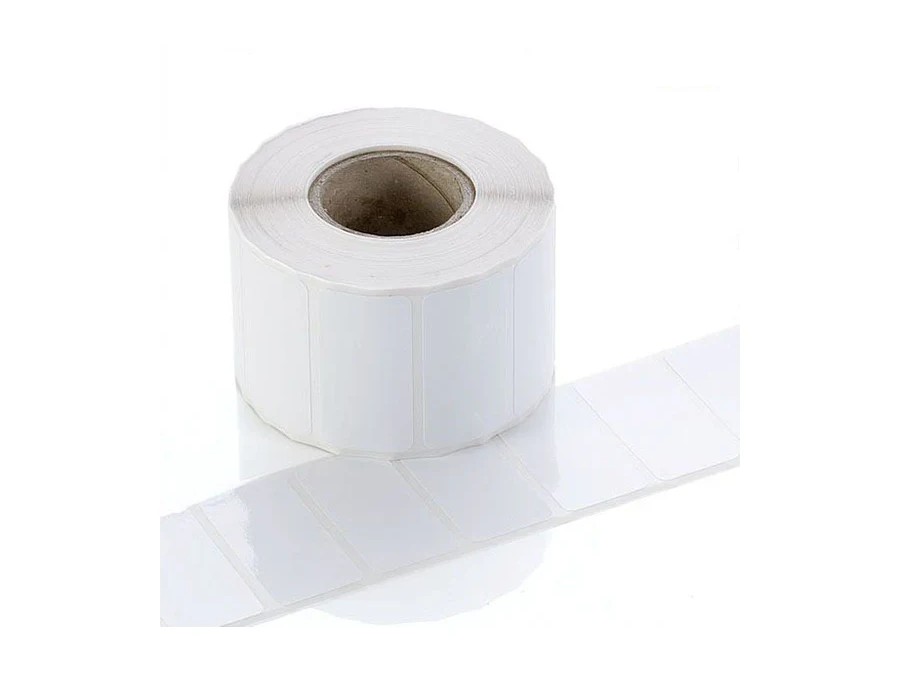
50 x 50 mm Top Coated Direct Thermal Paper Labels
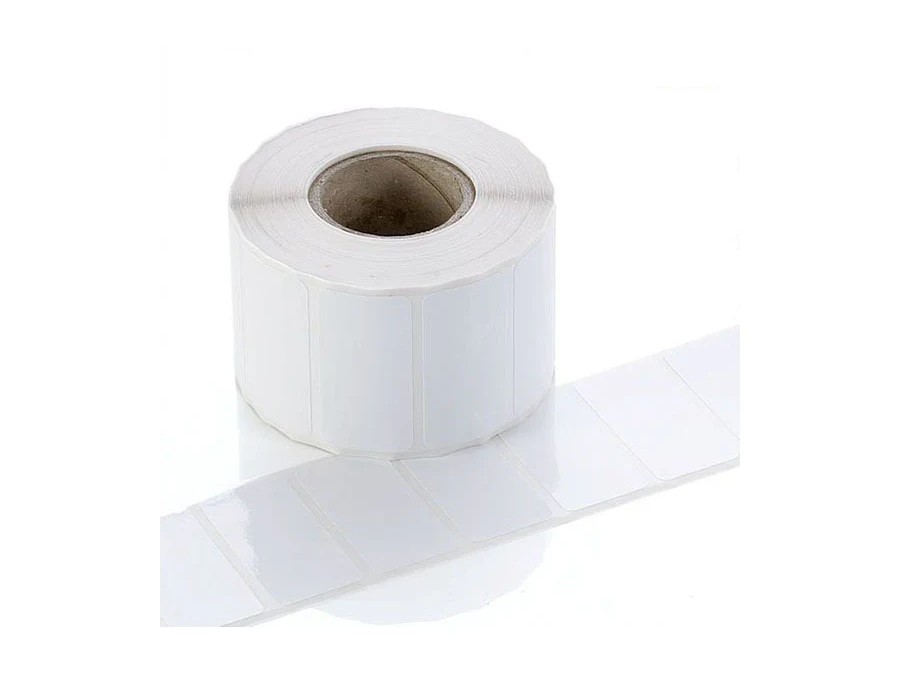
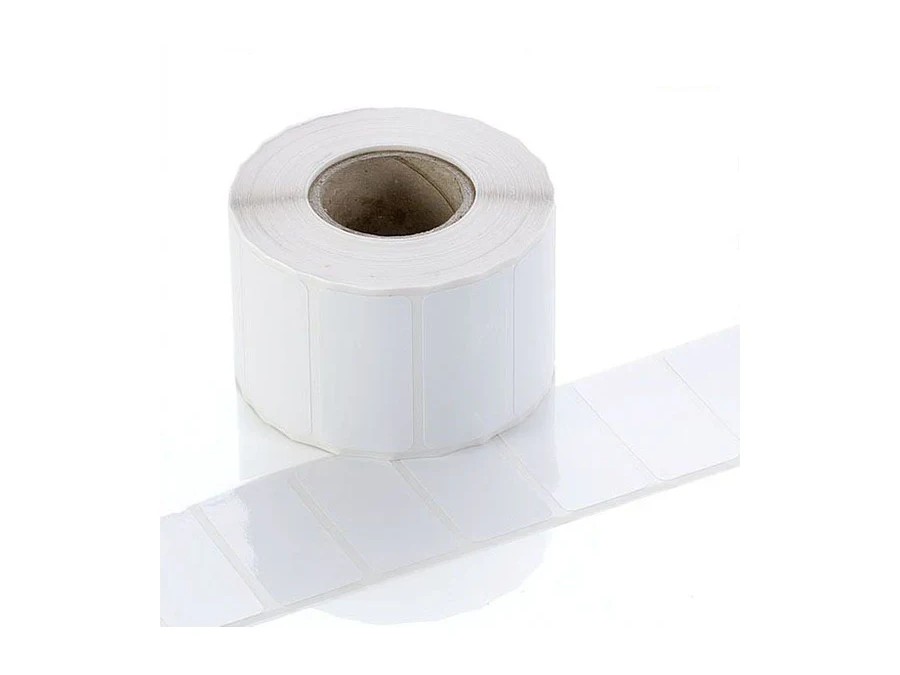
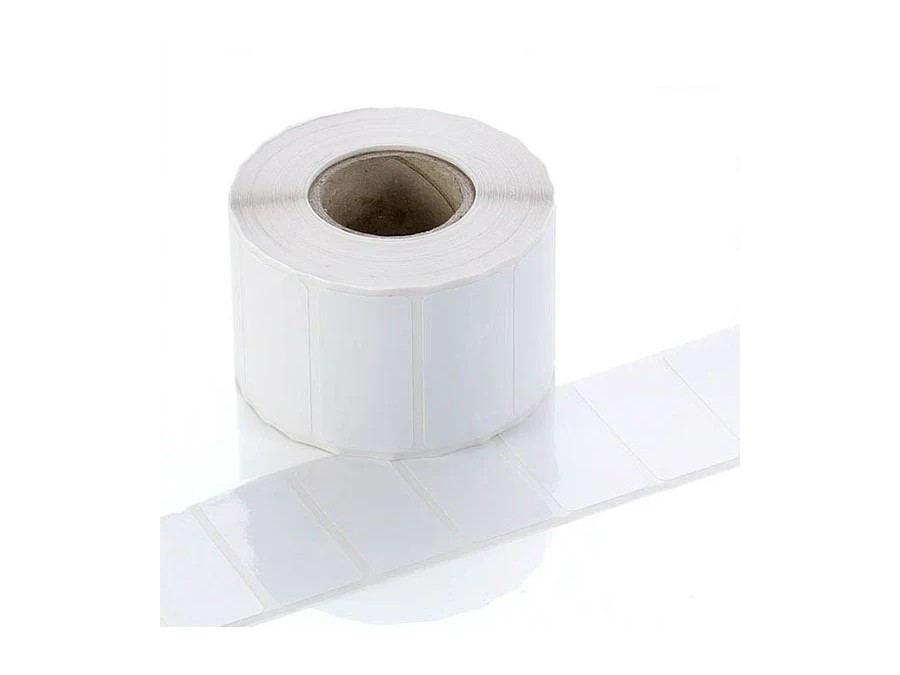
Size: 50 x 50 mm · Material: Top-coated direct thermal paper label with permanent adhesive
Contact for priceView product
Browse roll labels, vinyl labels, paper labels, thermal labels and printed label options for product identification, branding and dispatch. Every item is contact for price. 64 products are listed in this range.
Size: 50 x 50 mm · Material: Top-coated direct thermal paper label with permanent adhesive
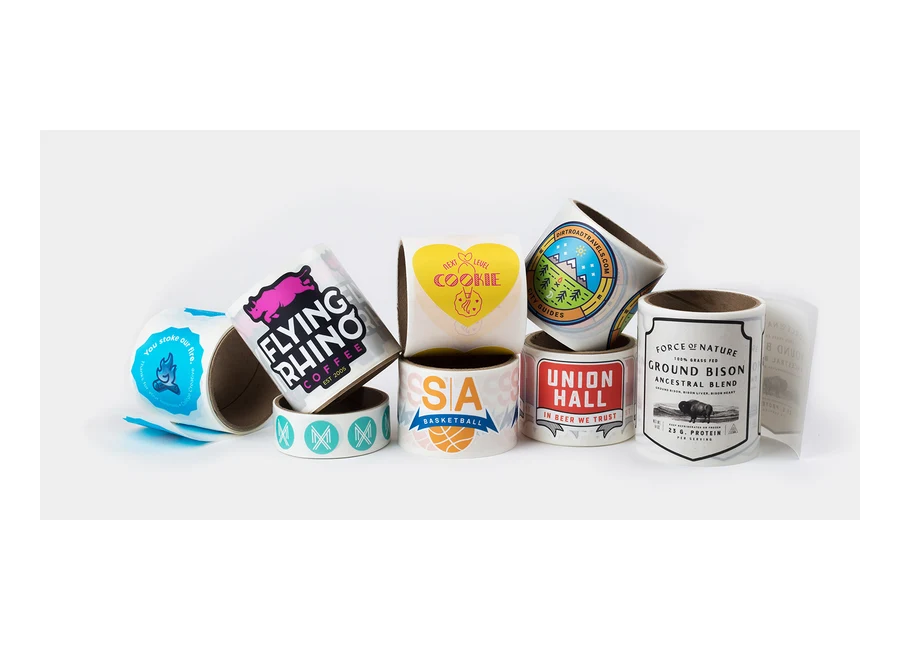
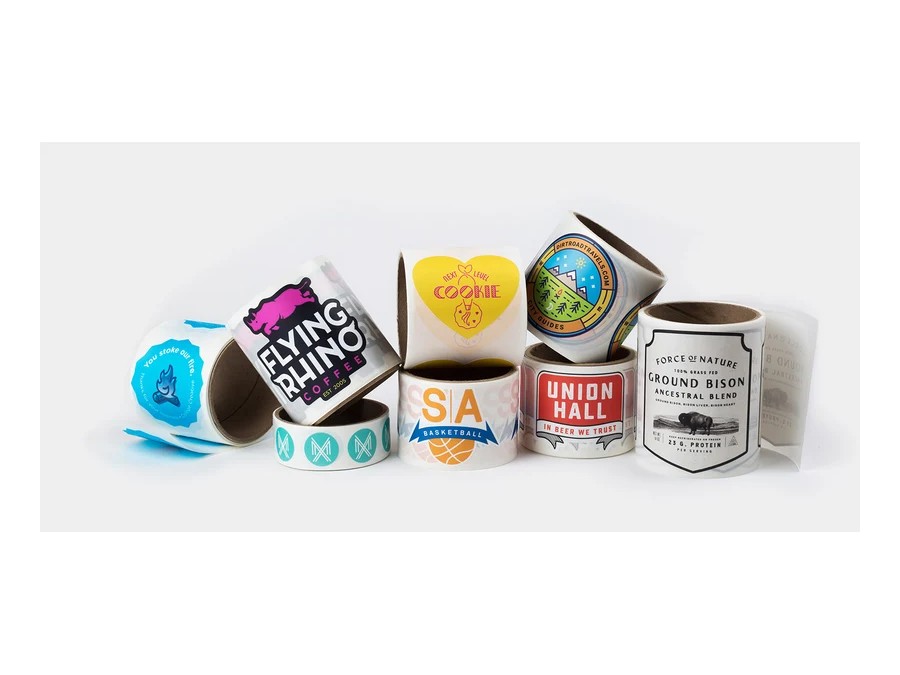
Material: BOPP with UV finish · Format: Custom printed roll labels for branded packaging applications
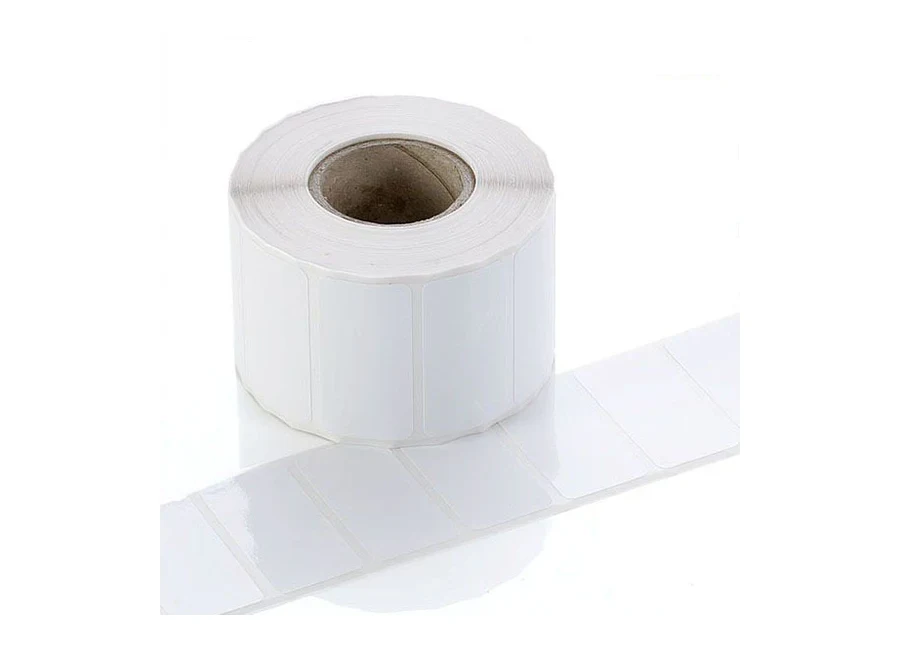
Size: 75 x 50 mm · Material: Gloss white vinyl
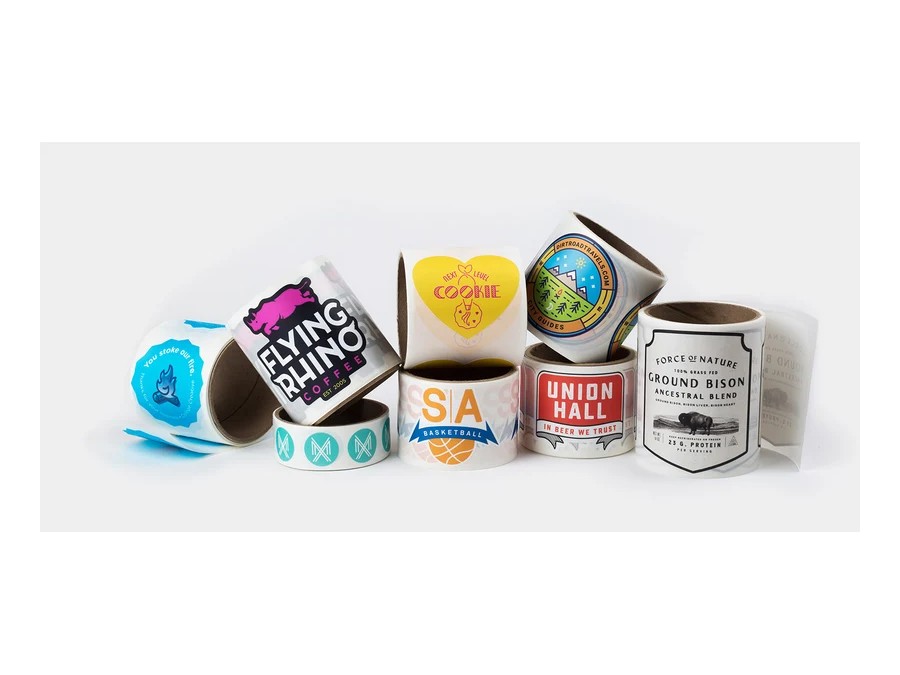
50 x 50mm; 50–10,000 label quantities · Material: BOPP/vinyl roll label with laminate
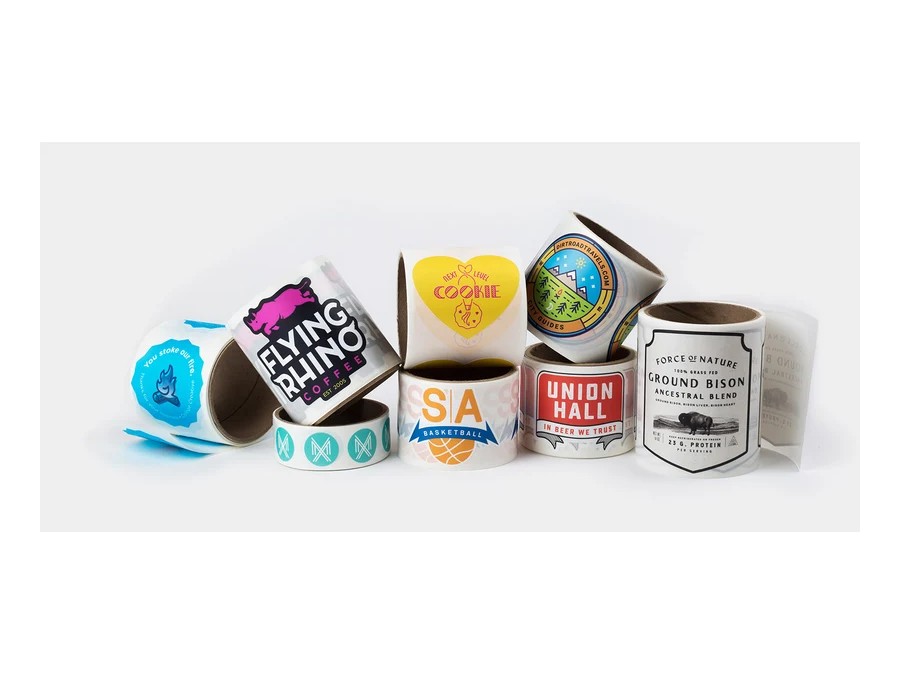
50 x 50mm; transparent material · Material: Clear PET/vinyl label
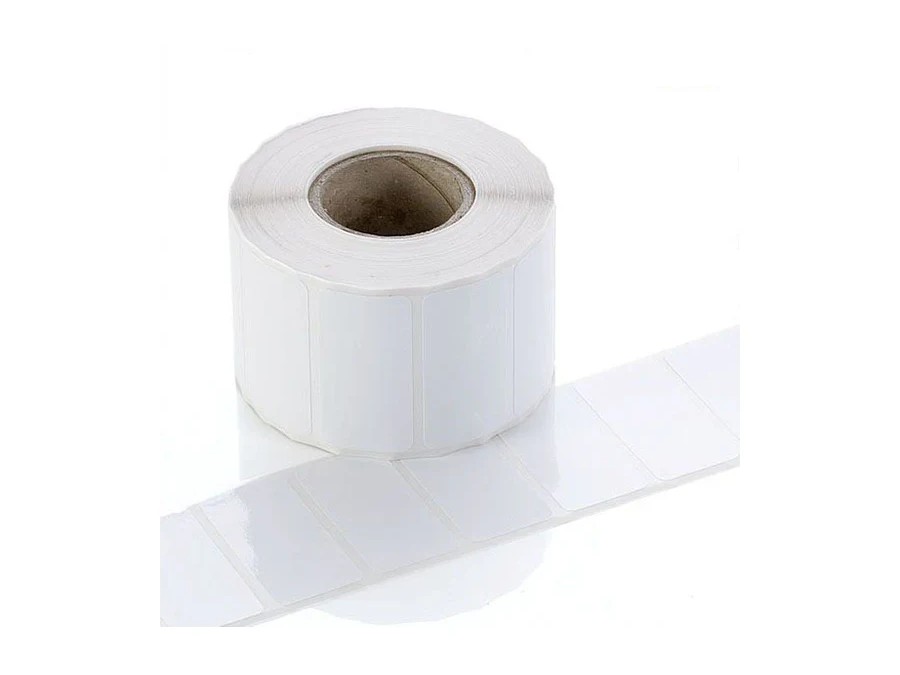
75 x 50mm; roll format · Material: Durable label with laminate
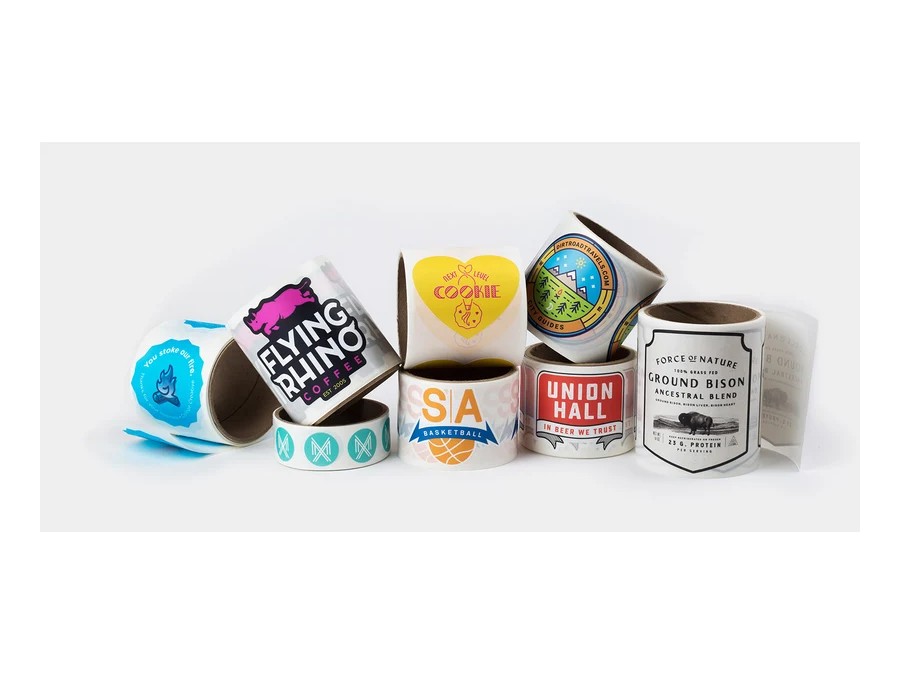
50 x 50mm equivalent; custom shape · Material: Durable custom die-cut label
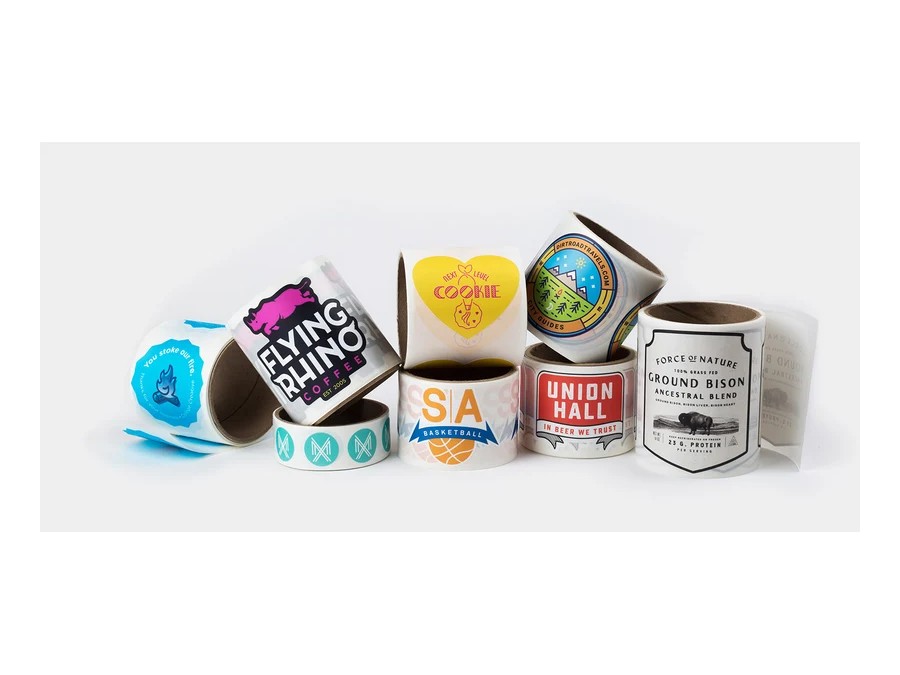
10 labels; custom size · Material: Custom printed label sample
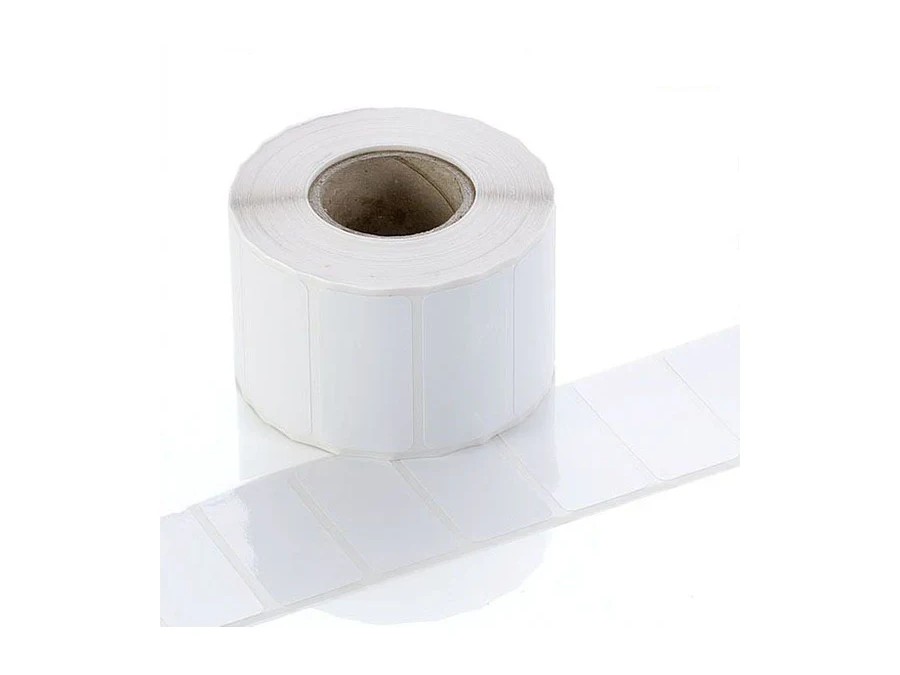
75 x 50mm; 38mm core; 1,000 labels/roll · Material: Gloss white vinyl
100 x 150mm; 1,020 labels/roll; 4 rolls/box · Material: Uncoated direct thermal paper
100 x 150mm; 300 labels/roll; 12 rolls/box · Material: White eco direct thermal paper
100 x 150mm; 1,020 labels/roll; 4 rolls/box · Material: Direct thermal smooth paper
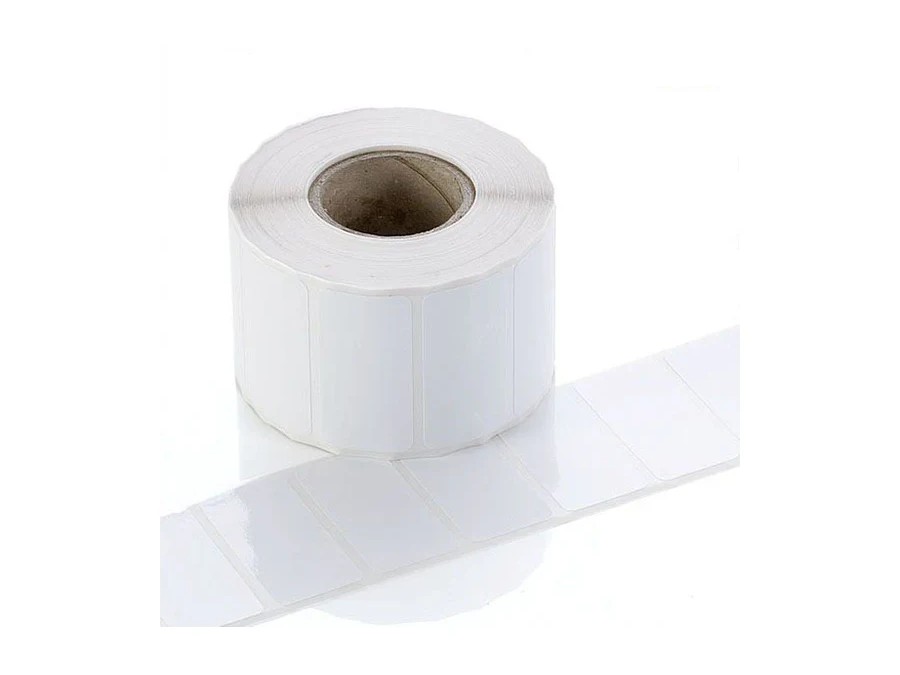
75 x 75mm; 25mm core · Material: Gloss yellow vinyl
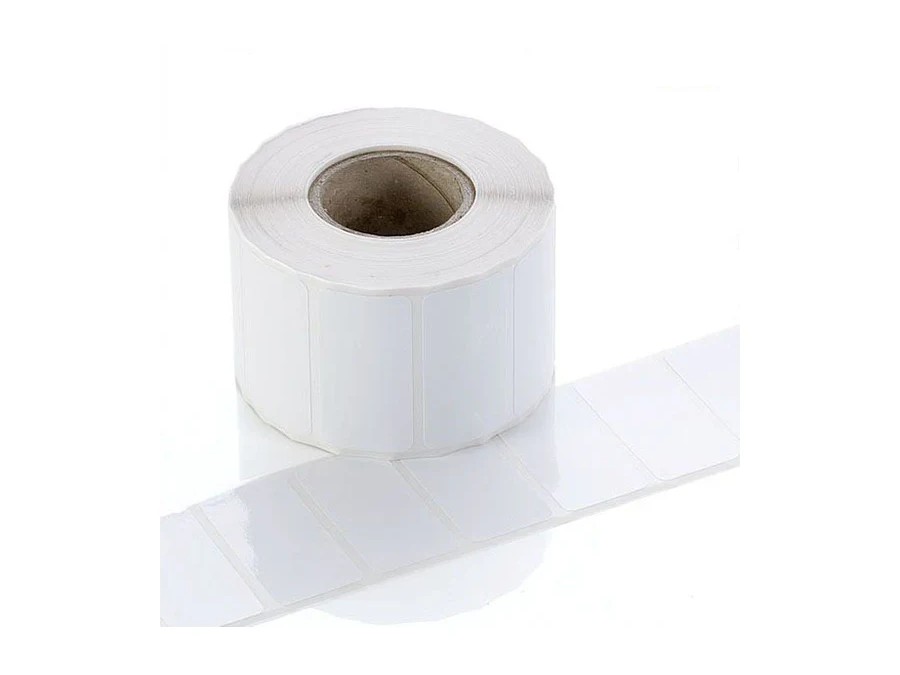
75 x 100mm; 358 labels/roll · Material: Gloss white vinyl
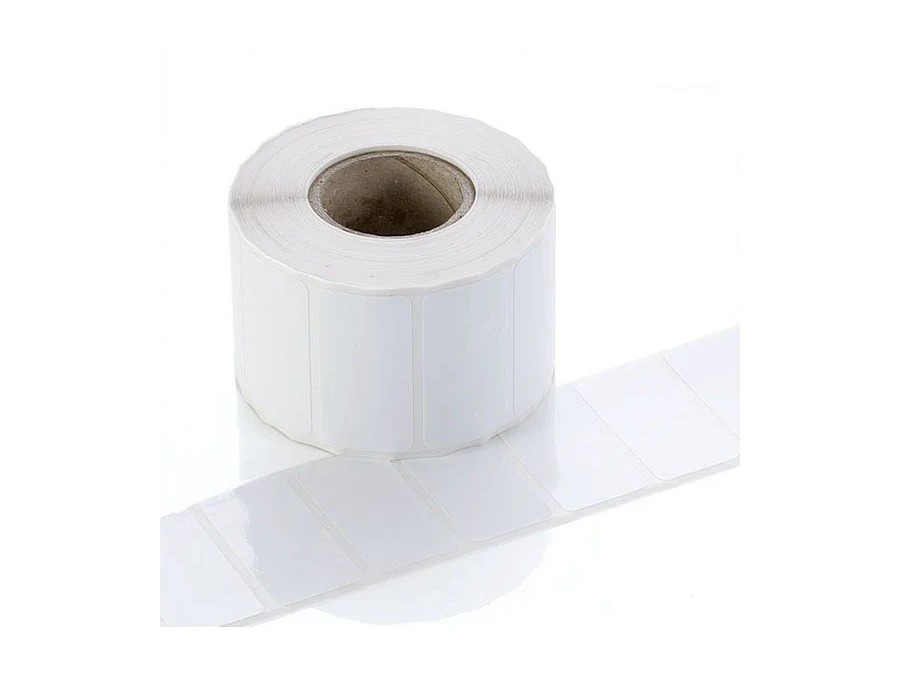
75 x 40mm; 1,000 labels/roll · Material: Gloss white vinyl
100 x 150mm; 1,000 labels/roll; 4 rolls/box · Material: Uncoated thermal transfer paper
100 x 150mm; 400 labels/roll; 16 rolls/box · Material: White direct thermal paper
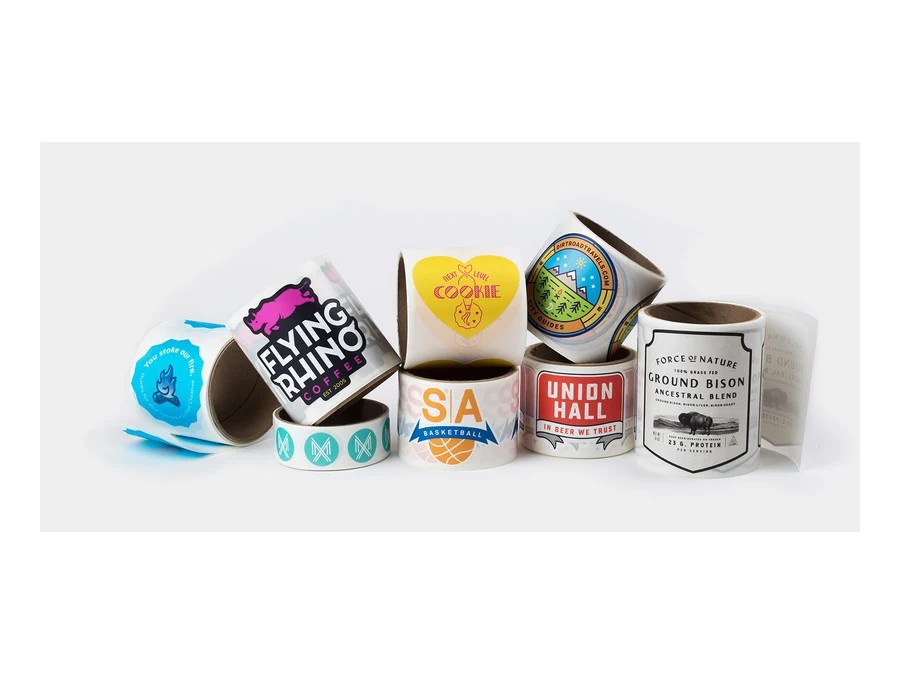
50 x 50mm, round · Material: Durable printed roll label
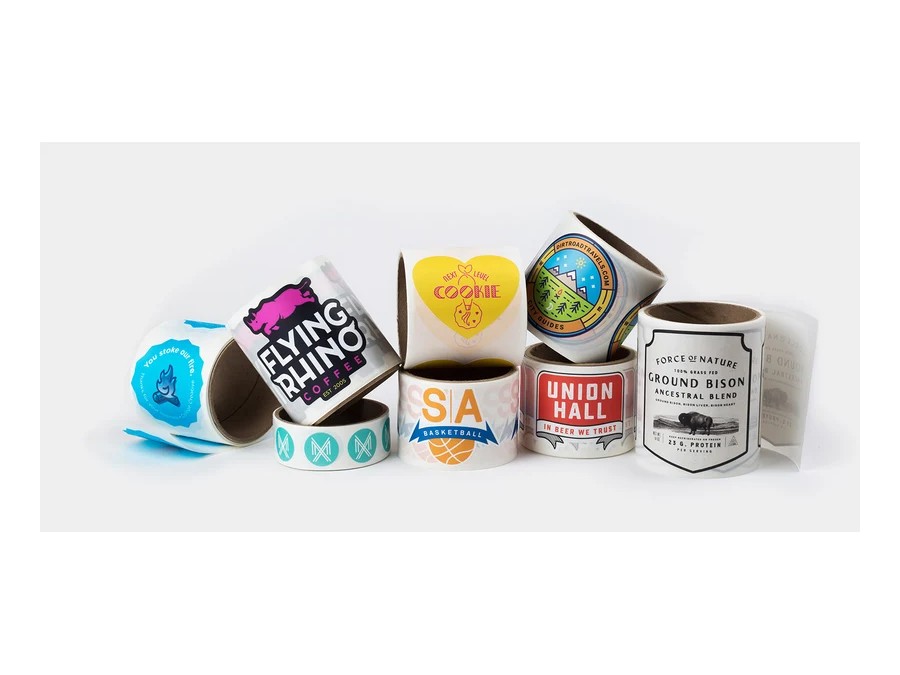
75 x 50mm, oval · Material: Durable printed roll label
75 x 75mm, square · Material: Durable printed roll label
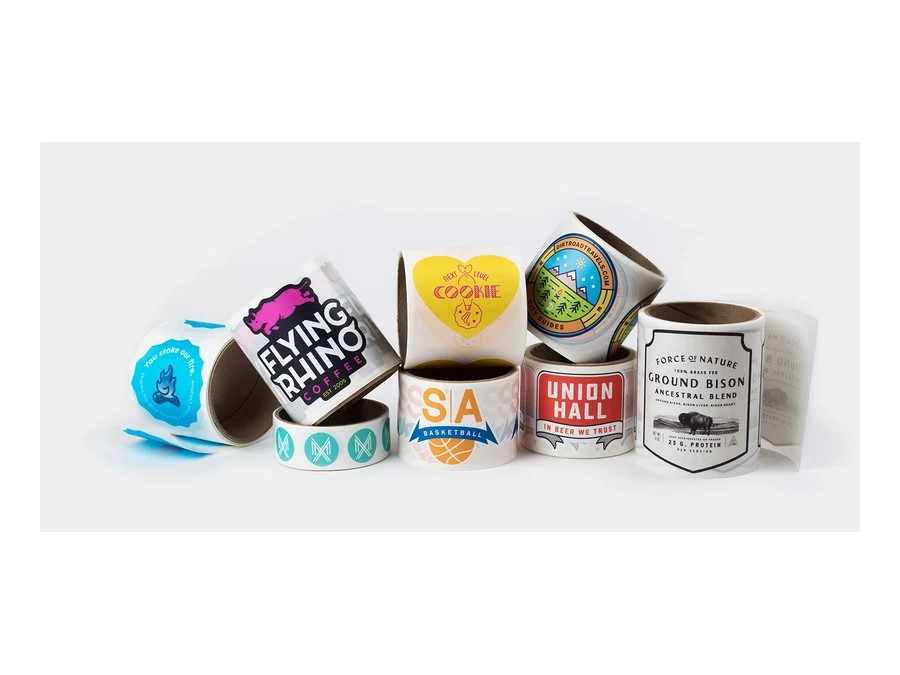
75 x 50mm, rounded rectangle · Material: Durable printed roll label
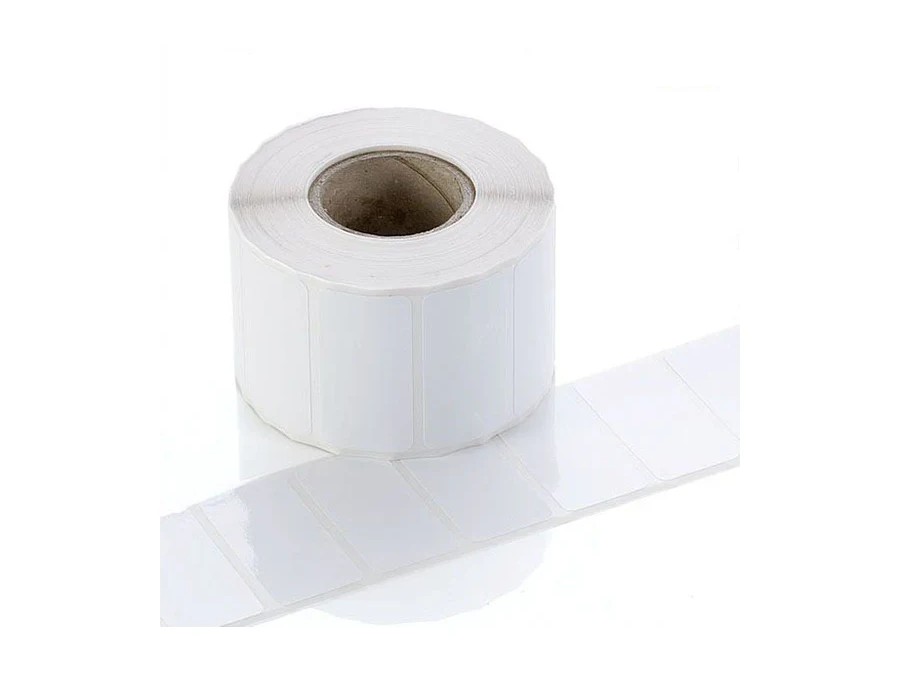
50 x 50mm; waterproof/oil resistant · Material: Laminated waterproof label
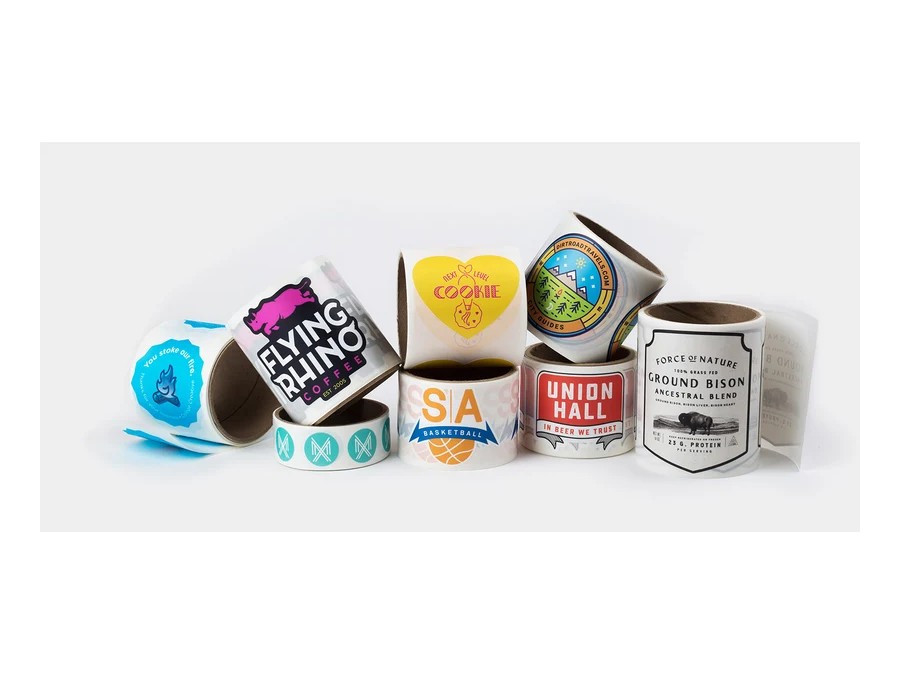
50 x 50mm; clear premium label · Material: Clear label material
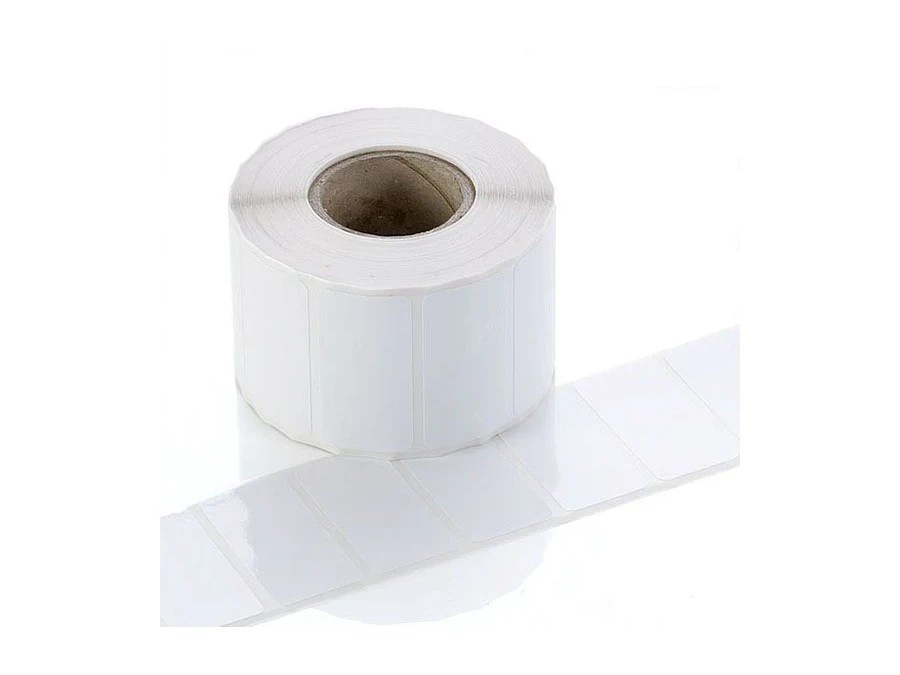
custom size/shape, roll format · Material: Premium vinyl with laminate
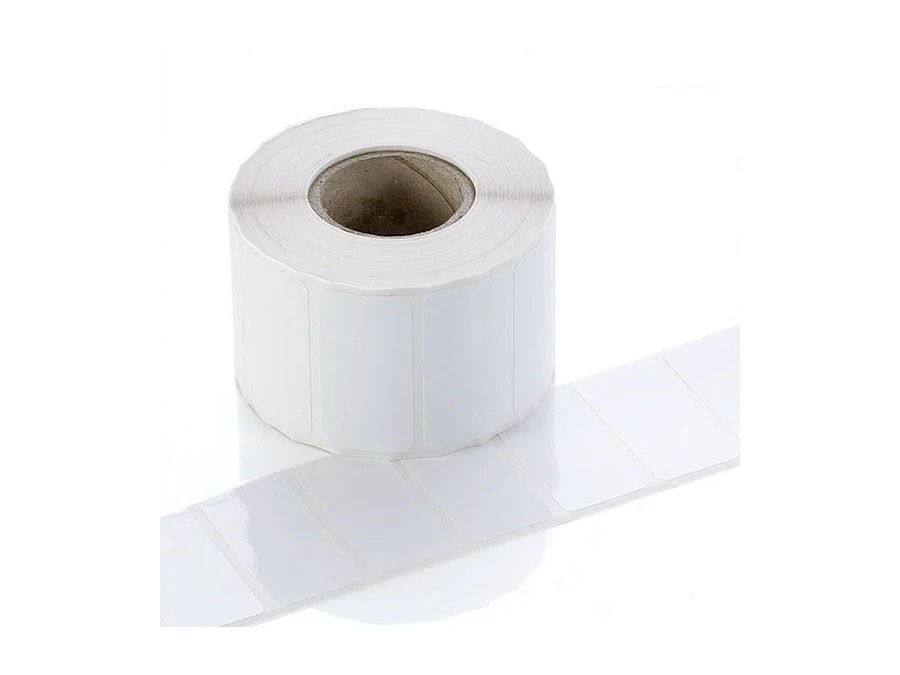
50 x 25mm, pre-cut roll · Material: Gloss white vinyl
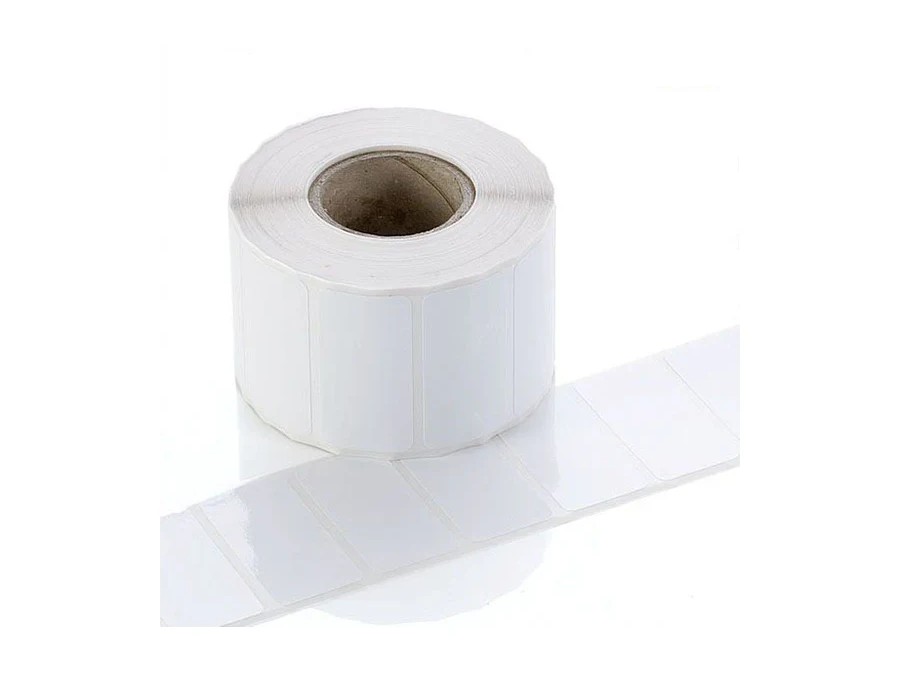
50 x 50mm, pre-cut roll · Material: Gloss white vinyl
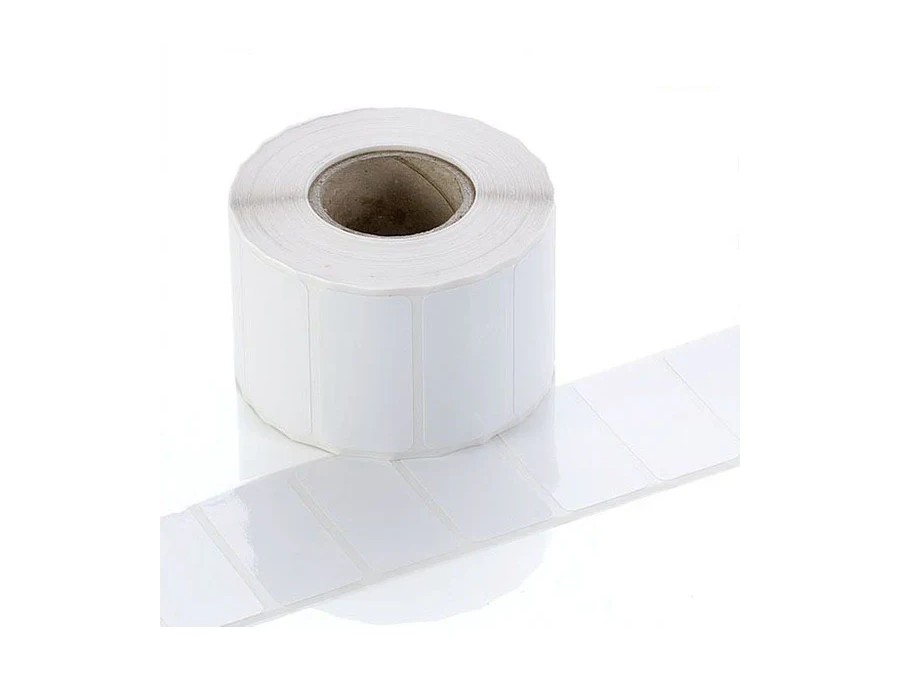
75 x 25mm, pre-cut roll · Material: Gloss white vinyl
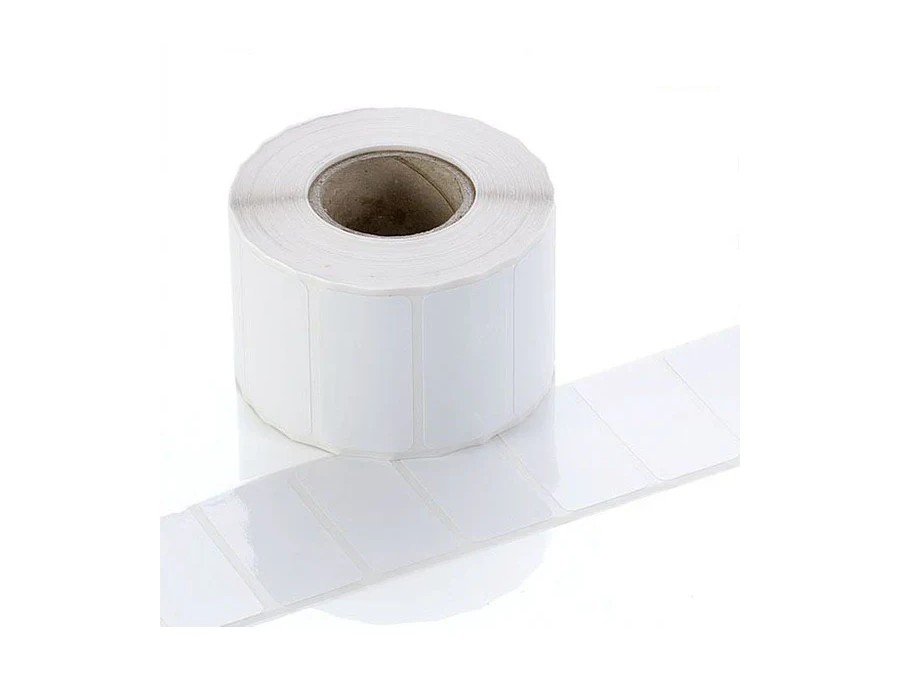
75 x 50mm, roll · Material: Matt white paper
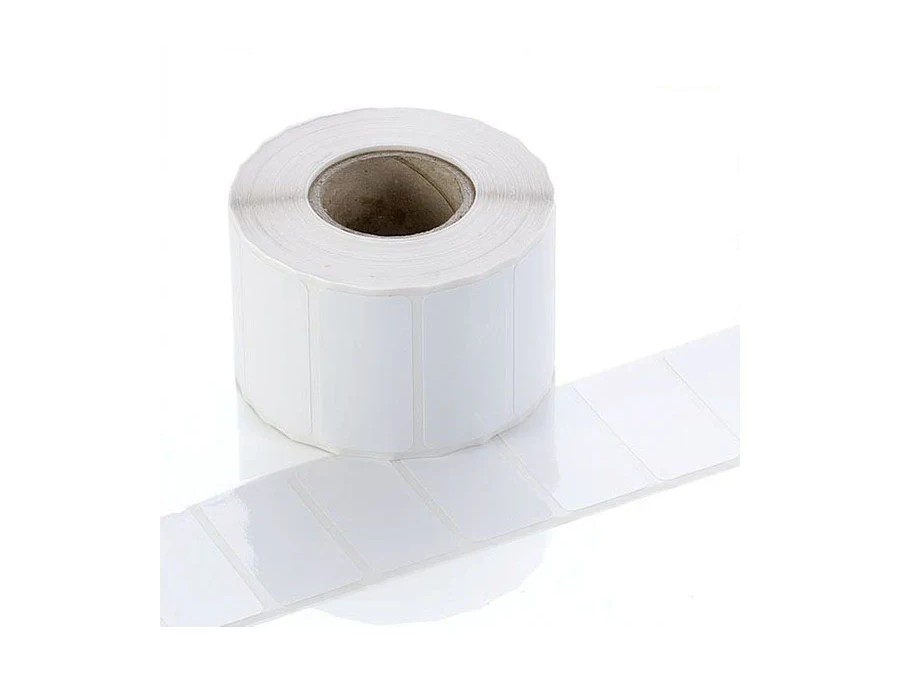
50 x 25mm, yellow · Material: Gloss yellow vinyl
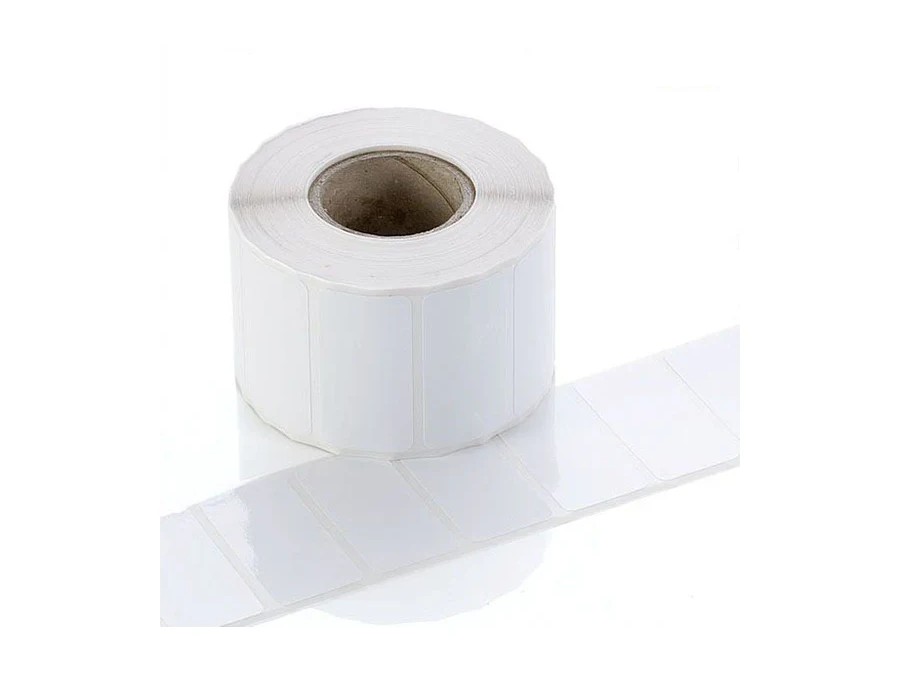
75 x 50mm, red · Material: Gloss red vinyl
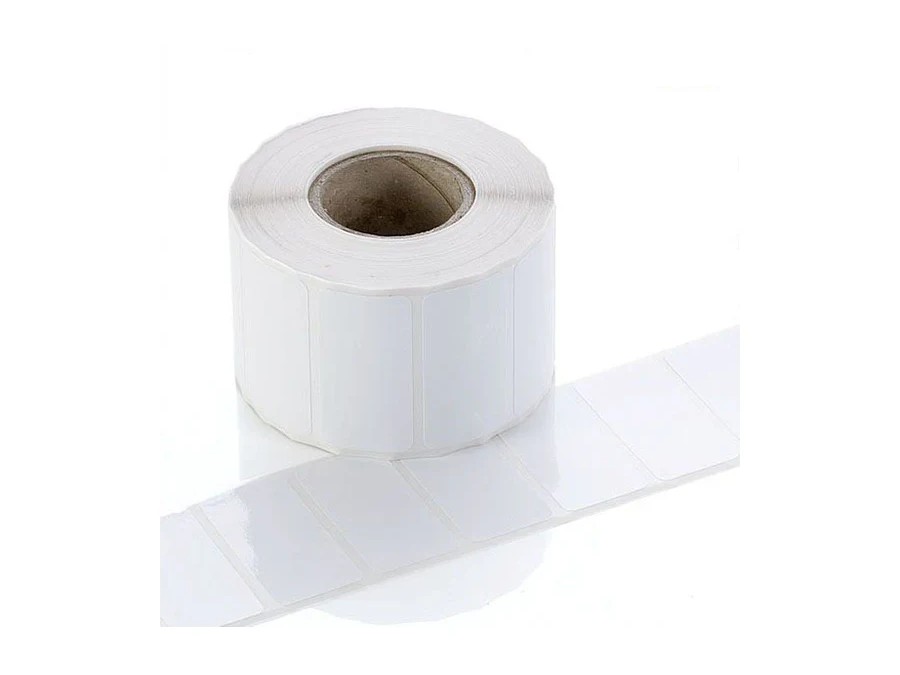
75 x 50mm, blue · Material: Gloss blue vinyl
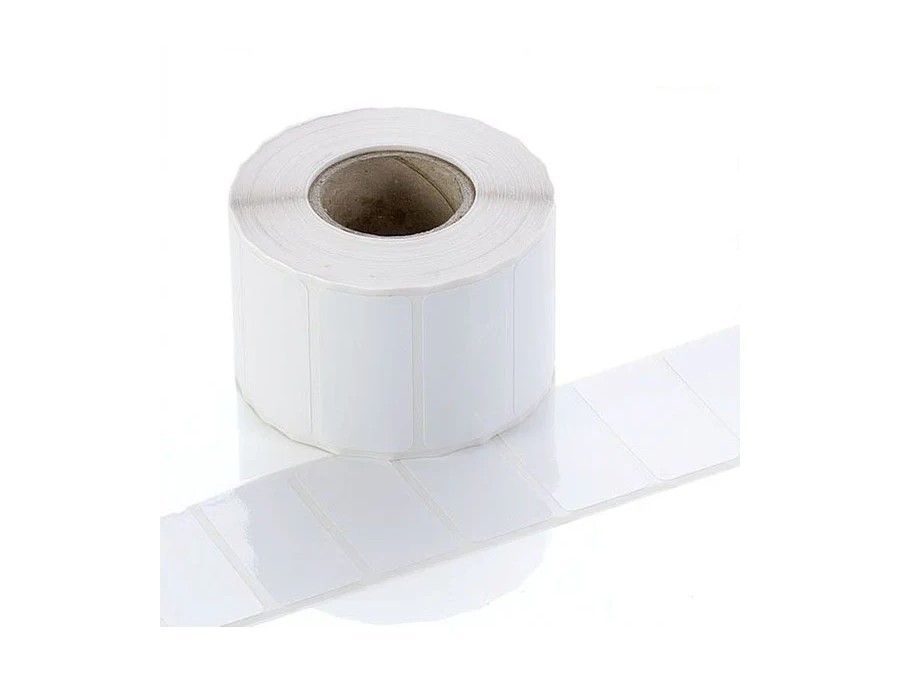
50 x 25mm, polyester roll · Material: Silver polyester
50 x 25mm, permanent adhesive · Material: White direct thermal paper
50 x 50mm, permanent adhesive · Material: White direct thermal paper
100 x 50mm, permanent adhesive · Material: White direct thermal paper
100 x 75mm, permanent adhesive · Material: White direct thermal paper
100 x 150mm, synthetic label · Material: White polypropylene
21 labels/sheet equivalent, printable sheets · Material: White paper sheet label
60mm round, printable sheets · Material: White paper/vinyl options
99.1 x 67.7mm, transparent · Material: Clear polyester/film
99.1 x 139mm, heavy duty · Material: Waterproof polyester
63.5 x 29.6mm, sheet labels · Material: Removable paper label
76 x 51mm, roll, permanent adhesive · Material: White paper
76 x 51mm, roll · Material: Clear polypropylene
100 x 50mm, matt white · Material: Matt white polypropylene
100 x 75mm, gloss white · Material: Gloss white polypropylene
60mm round, brown kraft · Material: Brown kraft paper
50 x 25mm, bright yellow · Material: Fluorescent paper
50 x 25mm, ribbon required · Material: Thermal transfer paper
76 x 51mm, ribbon required · Material: Thermal transfer paper
102 x 76mm, ribbon required · Material: Thermal transfer paper
76 x 51mm, permanent · Material: Direct thermal paper
102 x 152mm, permanent · Material: Thermal transfer paper
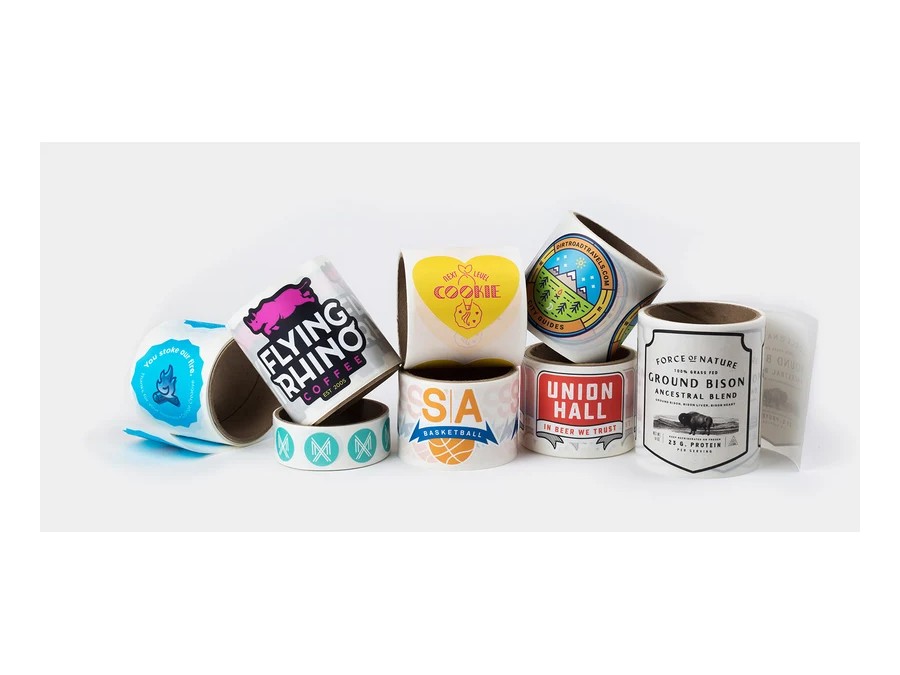
100 x 50mm, roll format · Material: Laminated waterproof label
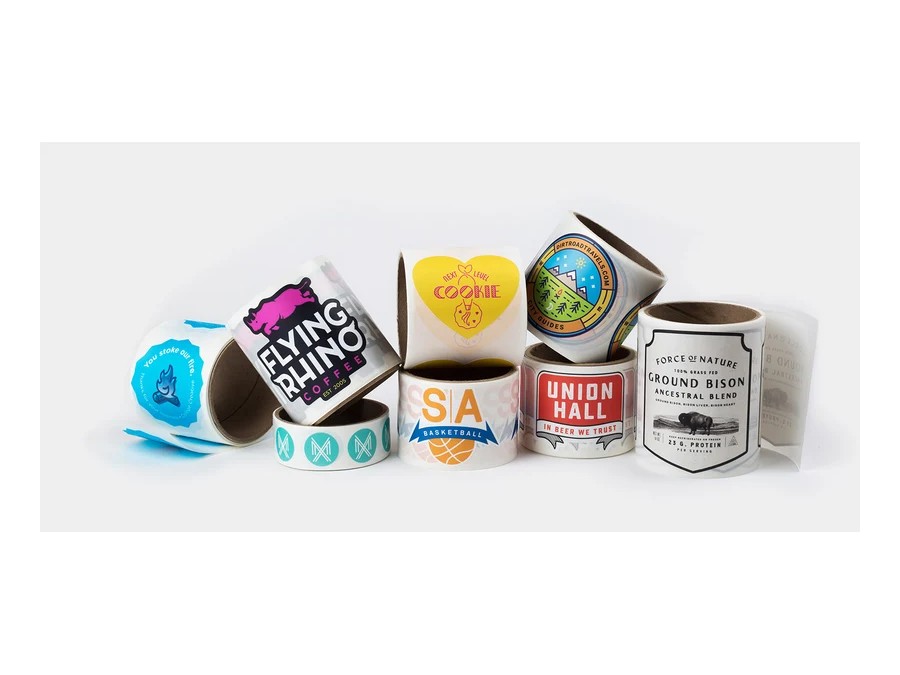
60mm round, roll format · Material: Laminated waterproof label
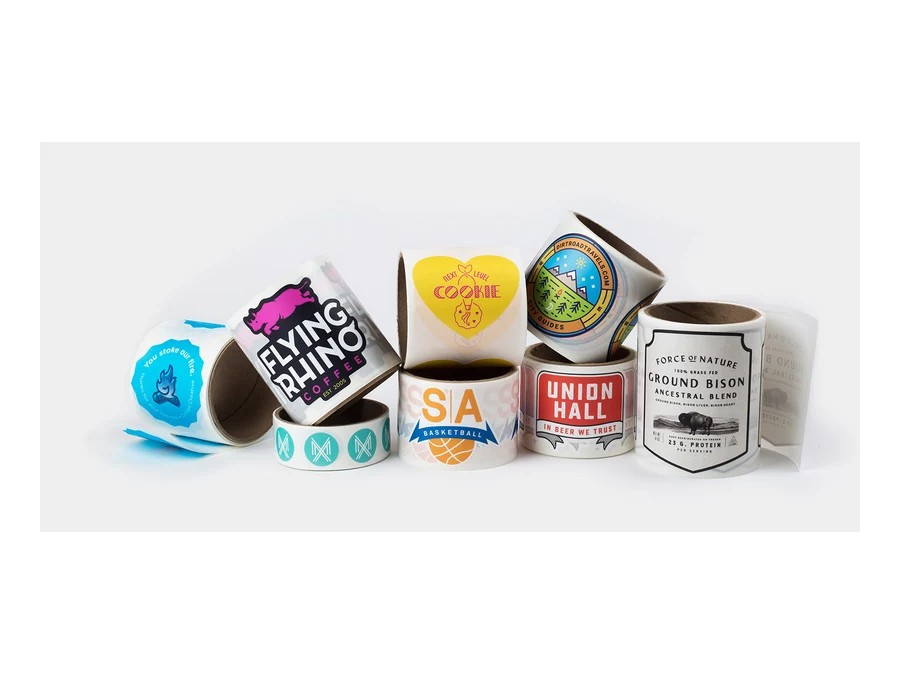
100 x 75mm, rectangle roll label · Material: Laminated waterproof label
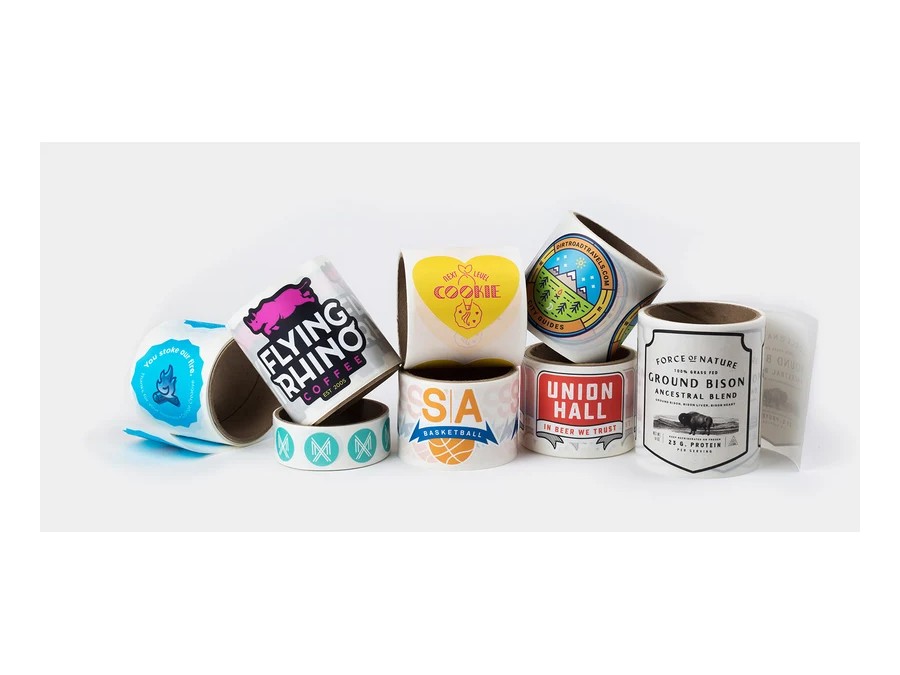
75 x 75mm, square/round options · Material: Laminated waterproof label
76 x 51mm, freezer adhesive · Material: White paper/synthetic freezer label
100 x 50mm, permanent high-tack · Material: White paper/polypropylene
76 x 51mm, removable adhesive · Material: White paper
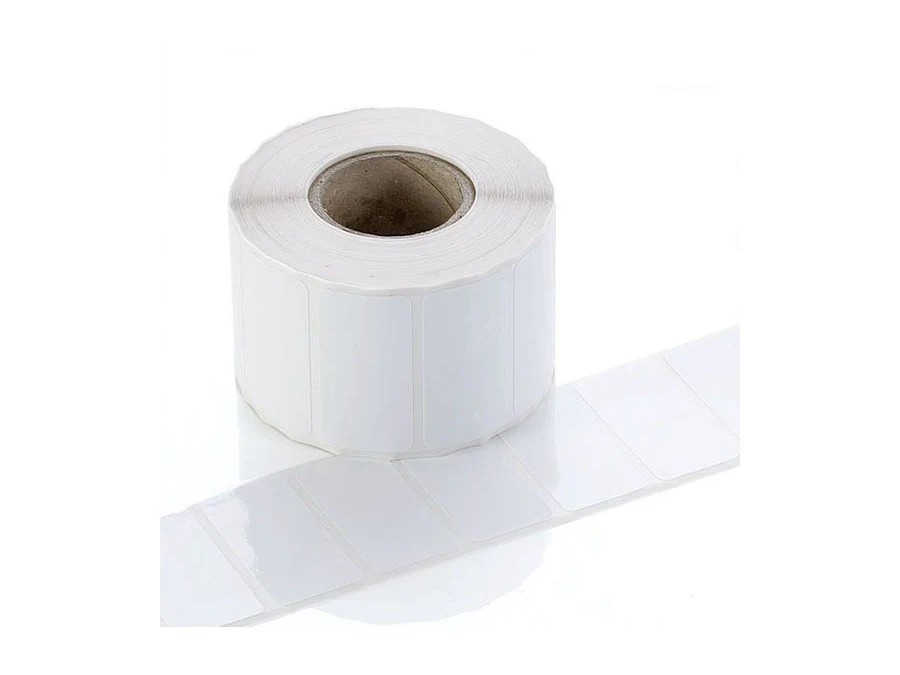
100 x 50mm, gloss vinyl · Material: Gloss white vinyl
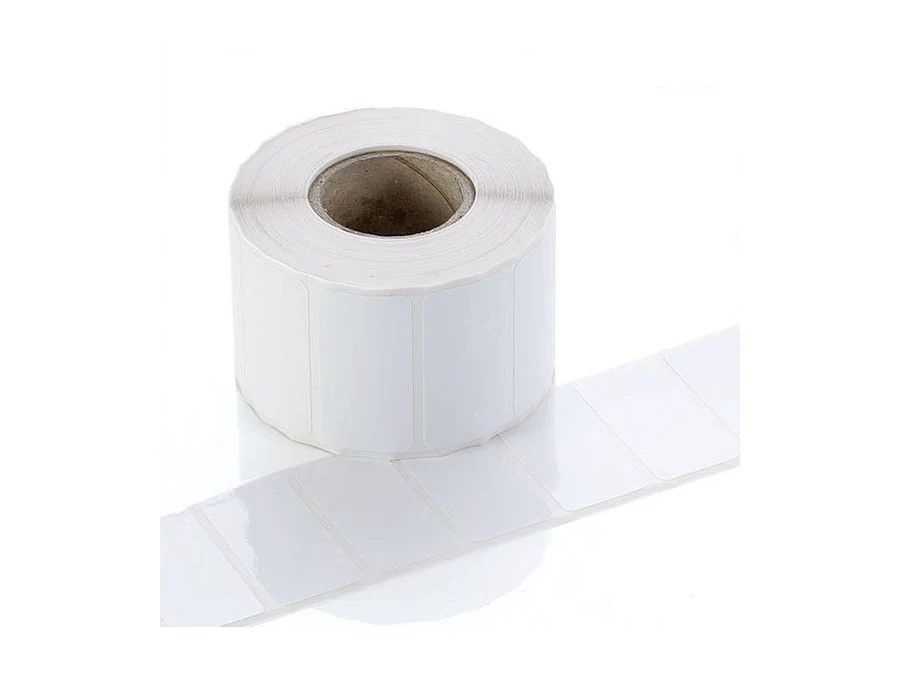
100 x 75mm, gloss vinyl · Material: Gloss white vinyl
60 x 40mm, printable sheets · Material: White paper/vinyl options
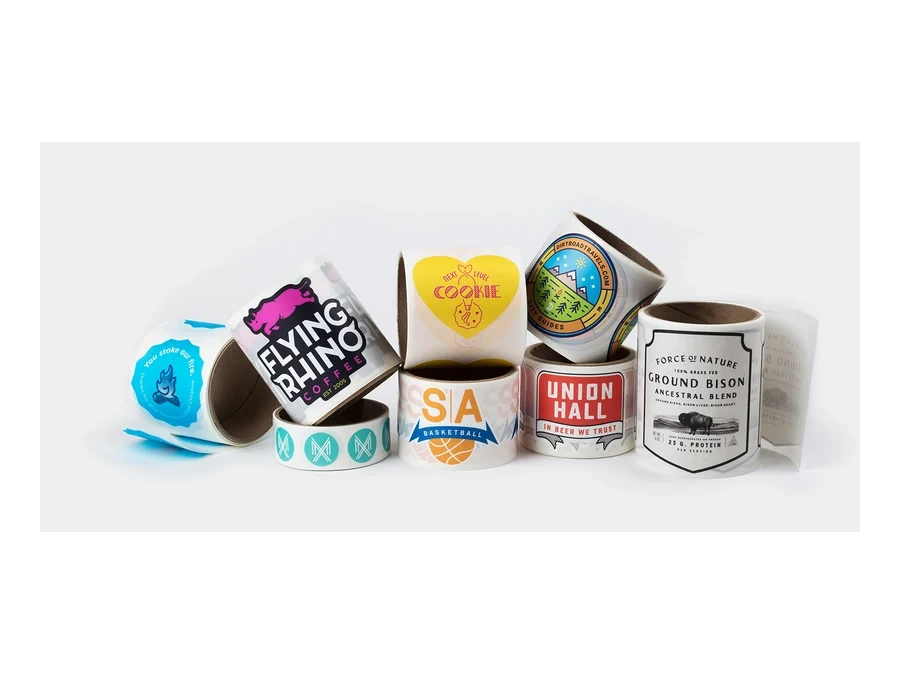
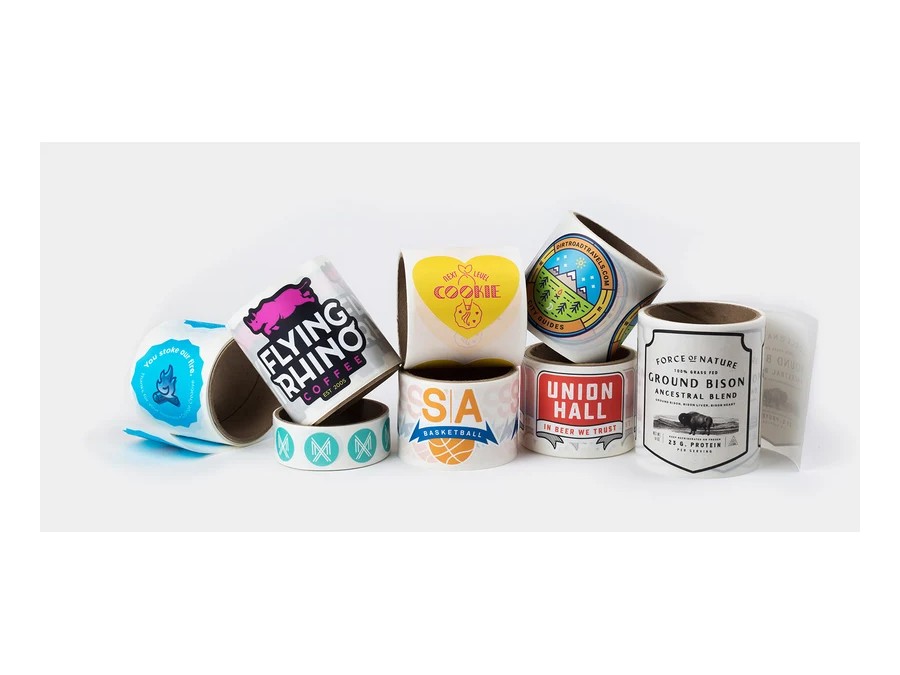
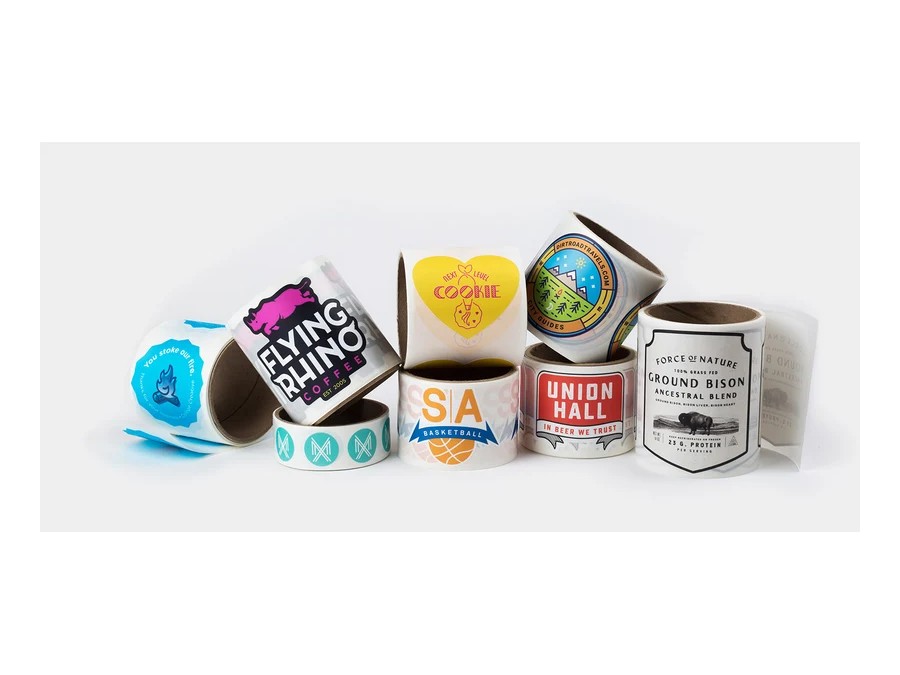
Range: custom printed product labels · Use case: drinks, household products and branded retail packs
A label has to identify and decorate the pack while remaining compatible with the container surface, product, application method, storage and end-of-life strategy. Material names such as paper, BOPP, PET or vinyl describe only part of the construction; face stock, adhesive, ink, coating, laminate and release liner should be considered separately.
Confirm the container material, surface energy, shape, squeeze behaviour, texture and available label panel. State whether application is to a dry, wet, cold, warm or contaminated surface and whether the pack will face refrigeration, freezing, condensation, chemicals, oils, abrasion, sunlight or repeated handling. Adhesive selection and label dimensions should be trialled on the final container.
For roll labels, provide artwork, finished size and shape, winding direction, core, roll diameter, gap, web width and registration requirements. Automatic labellers may also need the label pitch, backing-paper strength and dispensing behaviour. Thermal printing requires the correct material, ribbon combination where used, printer settings and durability target.
The label can affect sorting, washing or reprocessing of the main pack, depending on its size, density, material, adhesive and coverage. A label described as recyclable does not by itself prove that the labelled bottle, pouch or other pack will follow the intended route. Conversely, reducing label area or choosing a compatible adhesive may be more relevant than changing only the face stock. The release liner is a separate waste stream and should be included in procurement and operational planning.
| Approval item | Information to record |
|---|---|
| Container | Material, colour, shape, label panel, surface treatment and condition at application. |
| Label construction | Face stock, adhesive, inks, coating or laminate, liner and total dimensions. |
| Artwork | Approved file, colours, variable data, barcode grade or legibility requirement. |
| Roll format | Winding, core, maximum diameter, web width, gap and quantity per roll. |
| Use environment | Temperature, moisture, chemicals, abrasion, light and expected life. |
| Claim evidence | Scope and date of any material, recycled-content or recycling compatibility statement. |
Label trials should look for edge lift, flagging, bubbles, wrinkles, skew, poor overlap, adhesive ooze, print damage and movement after conditioning. On automatic equipment, record sensor performance, dispense position, container spacing, wipe-down or roll-on pressure and output. Include the smallest and largest label and pack formats in the changeover review and confirm that rolls can be loaded and threaded safely.
Where variable information is printed, define the data source, code position, contrast and verification method. Barcodes and machine-readable codes should be checked on the final material and curvature, not only on a flat artwork proof. If a pressure-sensitive label cannot meet the use environment or end-of-life strategy, alternatives may include direct print, sleeve, in-mould decoration or a different label construction, subject to the same evidence and line-compatibility review.
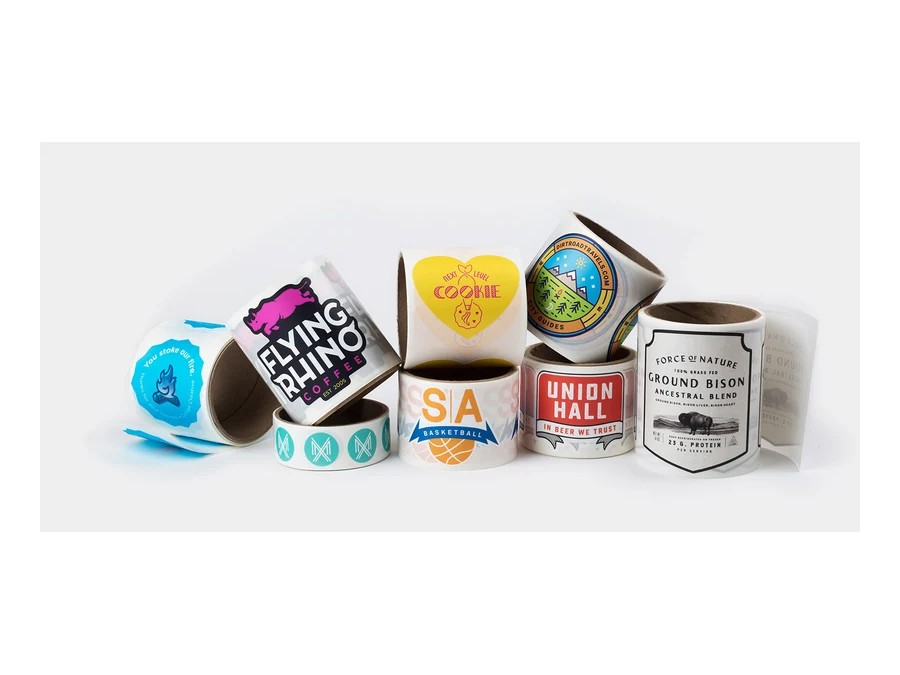
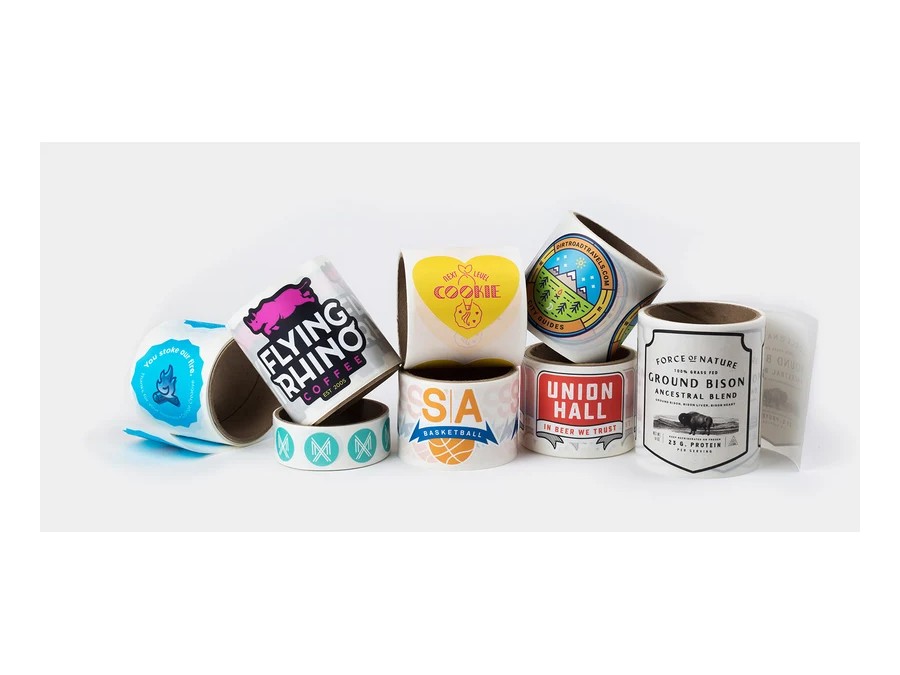
See the custom roll label example
See the custom roll label example, compare the relevant bottle or pouch, and use the evidence guide for claim wording and the compatibility guide for trials.
The label is an interface between brand, container and production line. A change intended to support recyclable packaging materials must therefore be assessed for separation or washing behaviour, while still meeting adhesion, print, coding and automatic application requirements.
| Label variable | Evidence or measurement | Pack and line consequence |
|---|---|---|
| Face stock | Material, density, thickness, coating and opacity | Affects detection, separation, stiffness, print and dispensing |
| Adhesive | Chemistry, coat weight, application temperature and any verified wash behaviour | Controls initial tack, edge lift, residue and reprocessing interaction |
| Coverage and shape | Area, overlap, panel position and container curvature | Can affect sorting, bottle deformation, bubbles and scanner visibility |
| Ink and protection | Ink system, varnish or laminate, abrasion and chemical resistance | Controls durability and adds to the complete material structure |
| Release liner | Material, roll yield and available collection route | Creates a separate production waste stream even when it does not reach the consumer |
The first approval is operational: the label must dispense, register, adhere and remain legible through the agreed conditions. The second is evidential: any recycling, recycled-content or material statement must be supported for the exact label and complete pack. Passing one approval does not prove the other.
For automatic application, retain the finished roll specification, winding diagram, core, maximum diameter, web width, pitch, gap and liner strength. For the end-of-life file, retain the face-stock and adhesive declarations, coverage calculation where relevant, test report scope and review date. A supplier substitution should trigger both checks.
No. The complete result depends on the container, label material, size, density, adhesive, ink, coating, coverage and the relevant sorting and reprocessing route. The claim scope must be explicit.
Not automatically. Adhesion, moisture resistance, product use, wash behaviour, fibre release, label coverage and the target recycling process all matter. Test the exact construction on the final bottle.
Obtain a current supplier declaration or test report identifying the adhesive, face stock, container material, test method, conditions, result, product scope and issue date.
It may require different tension, peel plate, sensor, wipe-down and web-handling settings. Trial the final roll construction, winding, liner and gap at the intended output before approval.
Application performance and recycling compatibility depend on the final container, surface, adhesive, coverage, print and use environment. Confirm the label construction and labeller requirements together.
Label performance depends on the complete construction, the pack surface, the environment and the applicator roll specification.
Common factors include surface contamination, condensation, unsuitable adhesive, container taper or flex, label geometry, temperature, poor wipe-down and web misalignment. The time at which the defect appears helps separate application and storage causes.
Use the label selection questions to structure the trial.
Surface energy, roughness, moisture, oils, chemicals and temperature influence adhesive wet-out and long-term hold. Product residue around the label panel can turn an acceptable laboratory result into a production failure.
Test the exact pack under representative filling and storage conditions.
Provide label and web dimensions, gap, liner, core, maximum roll diameter, unwind direction, leading edge and print orientation. Transparent constructions may require a compatible sensor method.
Confirm the specification with the actual applicator before the print order.
Face stock and adhesive selection must be combined with artwork, variable information, application geometry, storage conditions and code verification.
Surface coating, contamination, condensation, curvature, movement and exposure can change adhesion or ink performance. Test the actual pack and production environment.
Use a stable, accessible area that avoids seams, folds, seals and opening features and can be presented consistently to the printer and inspection device.
Yes. Face stock, adhesive, ink, coverage and consumer removal can affect the complete-pack assessment. Review the actual combination.
The face stock, adhesive, ink, coating, coverage and application quality can affect the complete-pack recycling assessment. The printed disposal instruction is a separate controlled claim that must match the exact pack, intended market and current evidence.
No. The symbol does not change the physical construction or collection route. Assess the container, closure, label, adhesive and residue as a complete system.
Review it when the pack material, colour, label size, adhesive, closure, target market, collection route or assessment method changes.