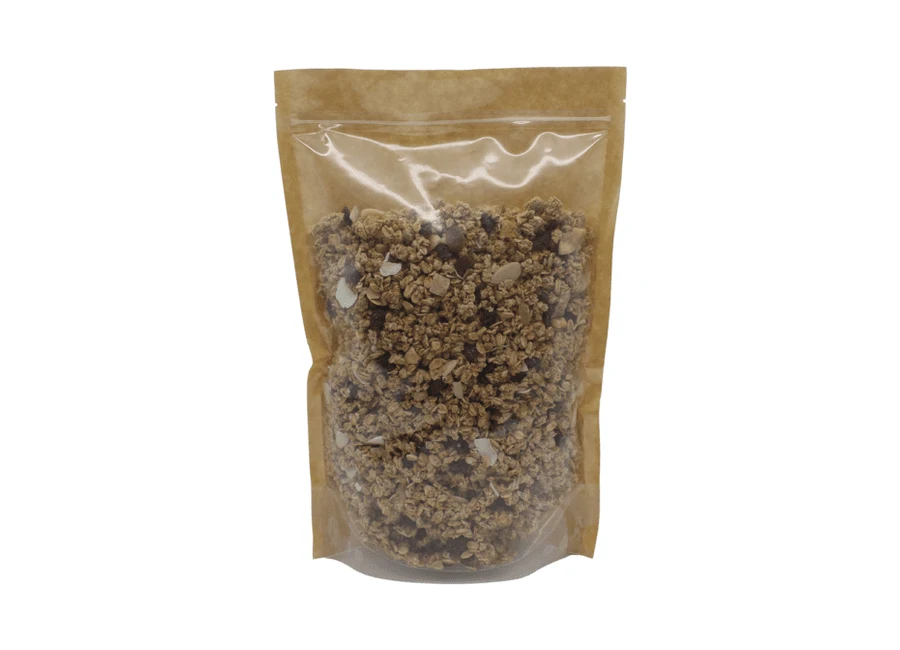
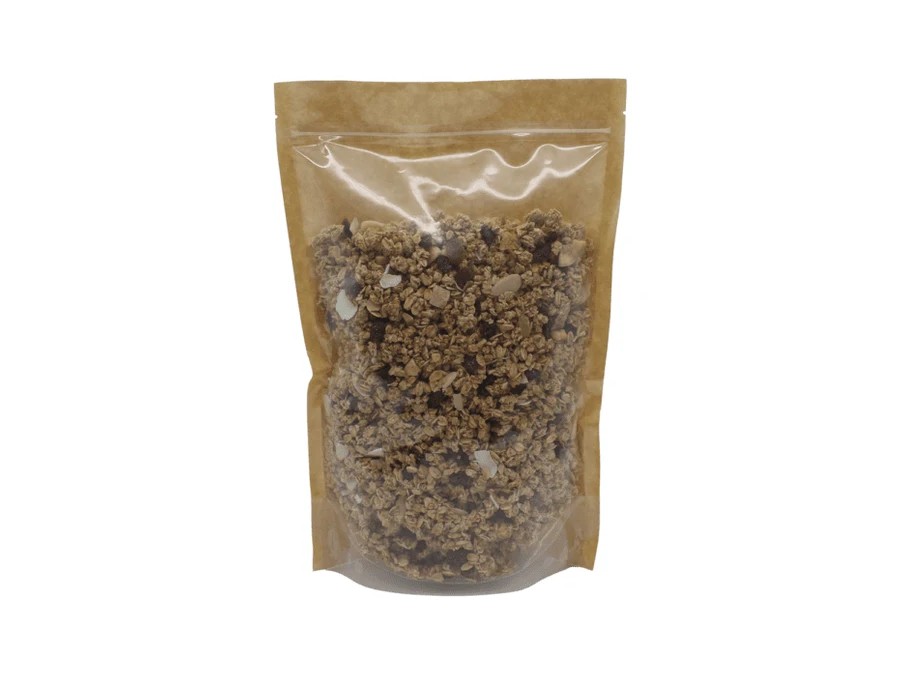
1kg Clear/Brown Kraft Stand Up Pouch with Zip
Capacity: 1 kg based on coffee beans · Size: 235 x 335 x 120 mm
Contact for priceView product
Browse stand-up, kraft, foil, clear and specialist pouch packaging for food, retail and refill applications. Every item is contact for price. 64 products are listed in this range.
Capacity: 1 kg based on coffee beans · Size: 235 x 335 x 120 mm
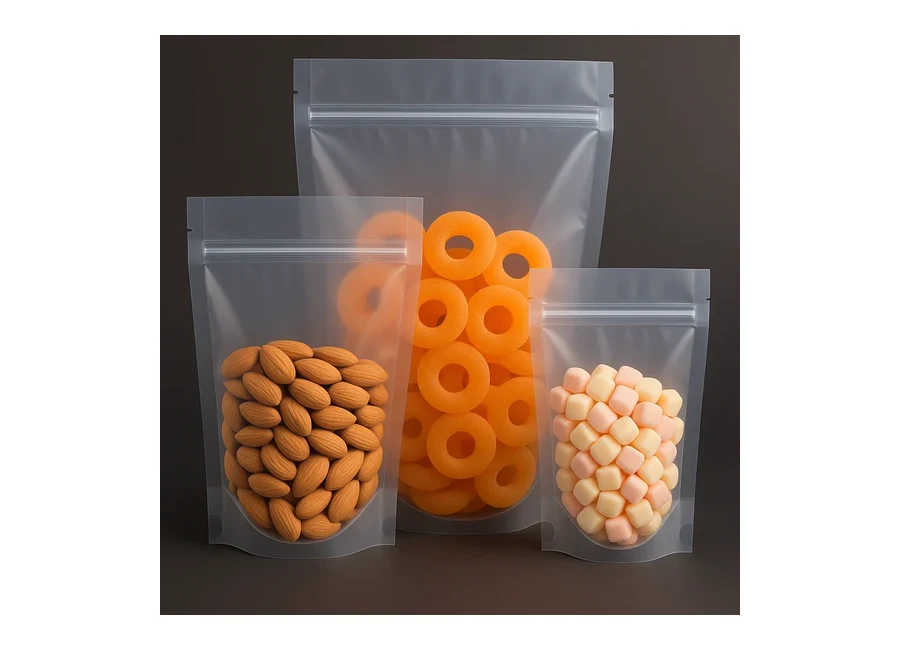
Volume: Approx. 1,000 ml · External size: 180 x 290 mm + 90 mm base gusset
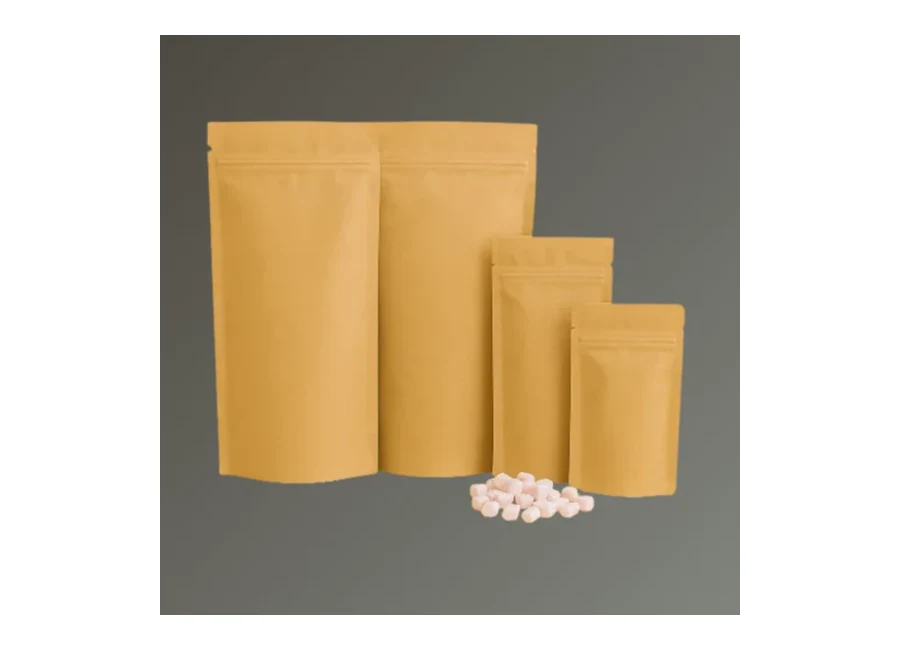
Format: Brown kraft stand-up / box pouch · Features: Quad-sealed box-shaped pouch; options with or without one-way degassing valve
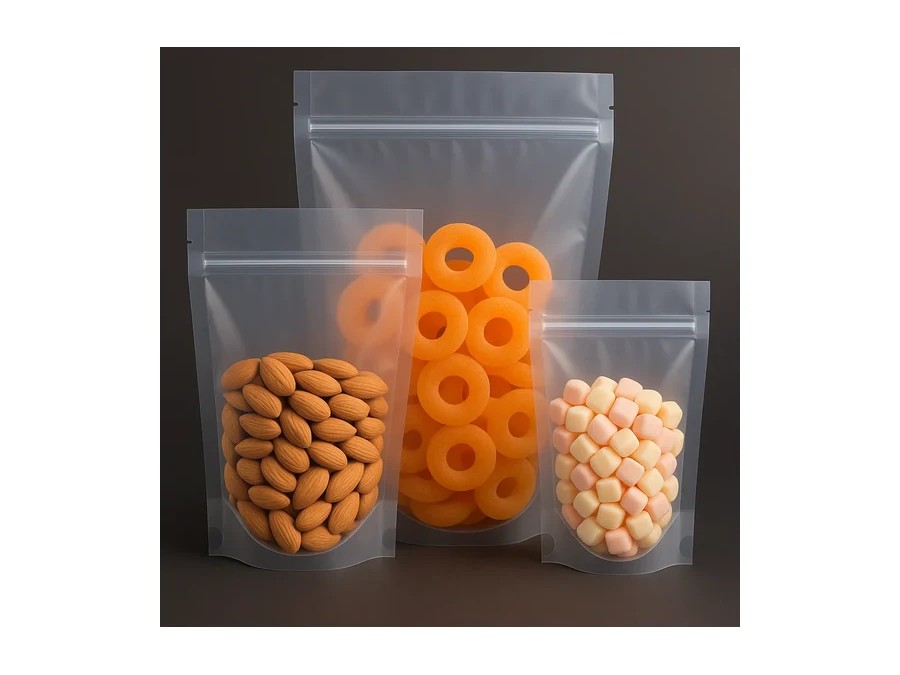
180 x 290mm + 90mm gusset; 1000ml; 98 micron · Material: Clear recyclable laminate
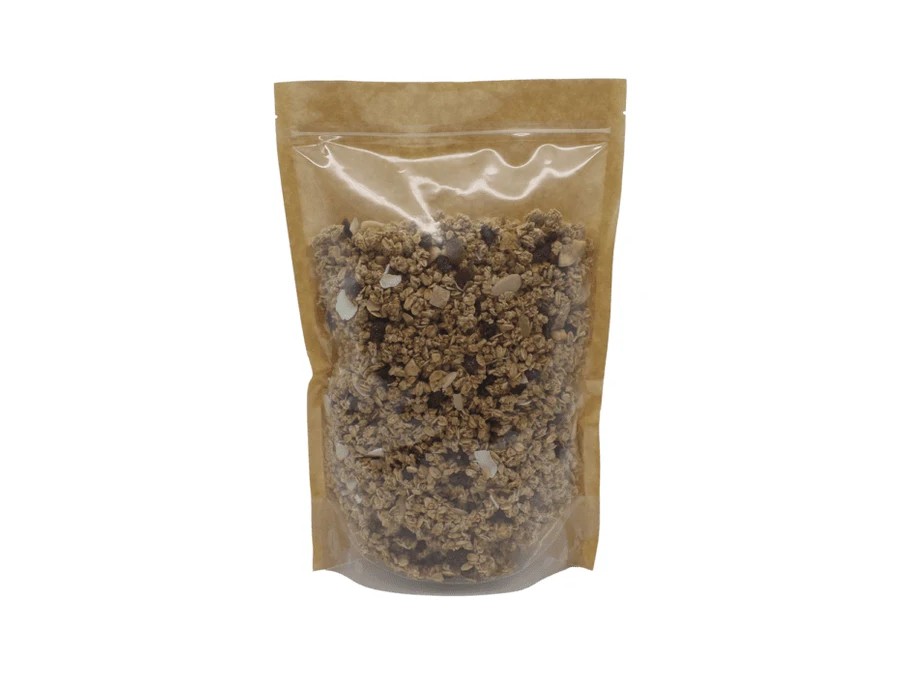
160 x 270 x 90mm bottom gusset · Material: White kraft laminate + window
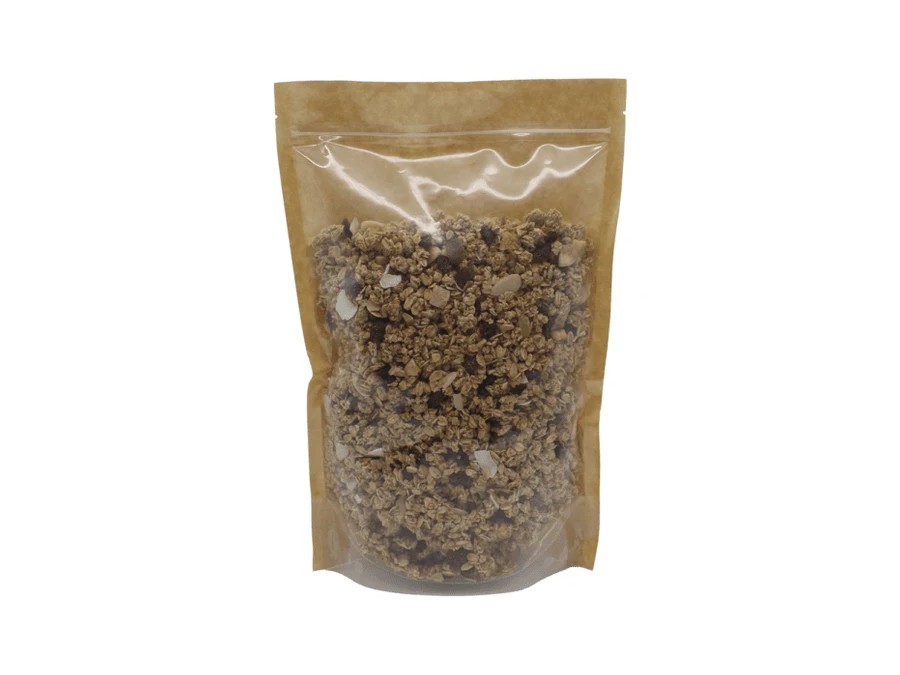
multiple sizes; circular window · Material: Brown kraft laminate + window
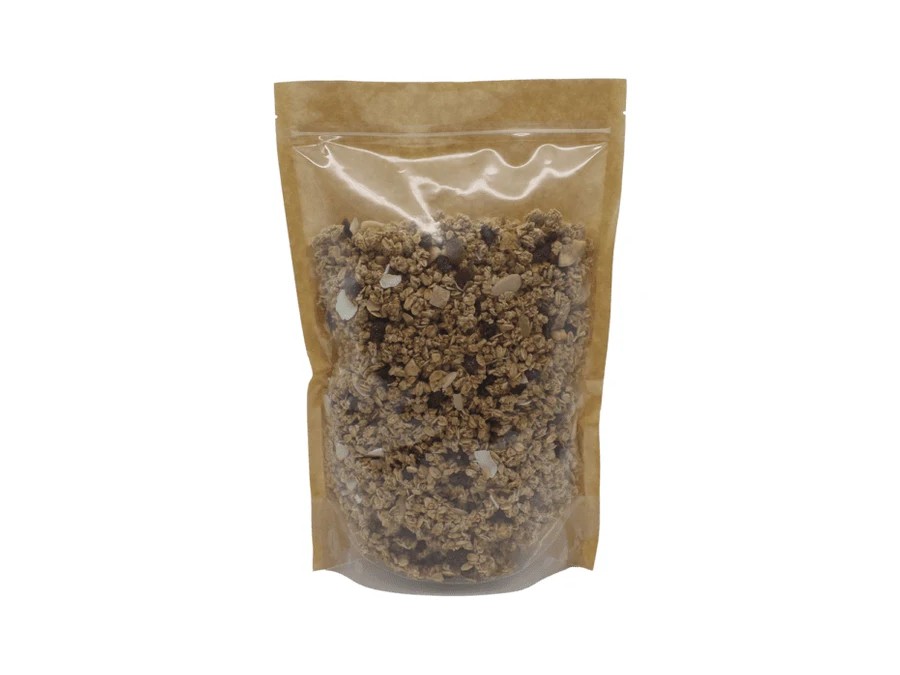
5 sizes; order from 100 pieces · Material: Multi-material kraft-look laminate
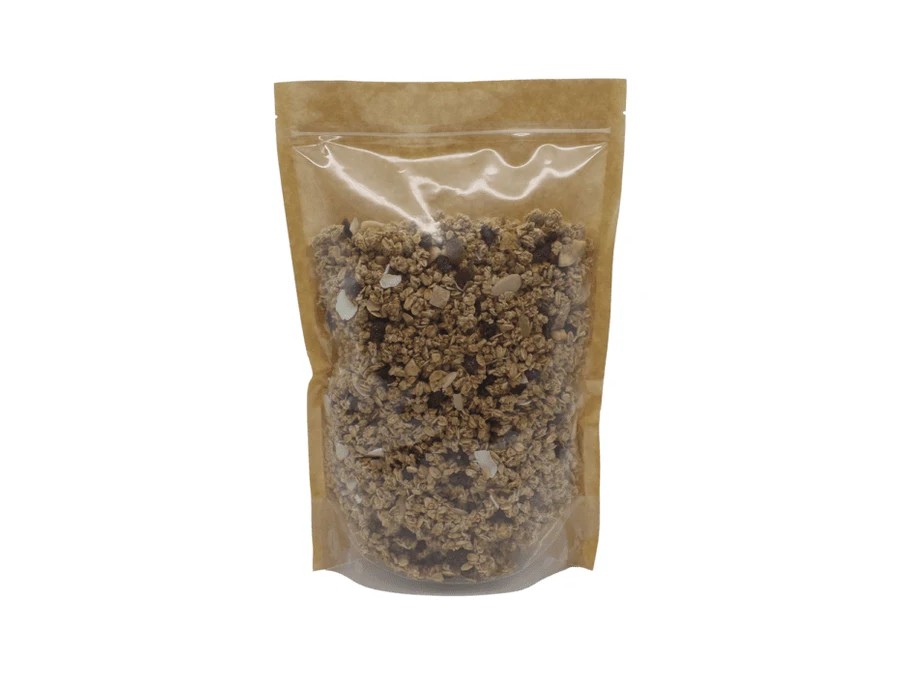
11 sizes, brown kraft, high protection · Material: Brown kraft multi-layer laminate
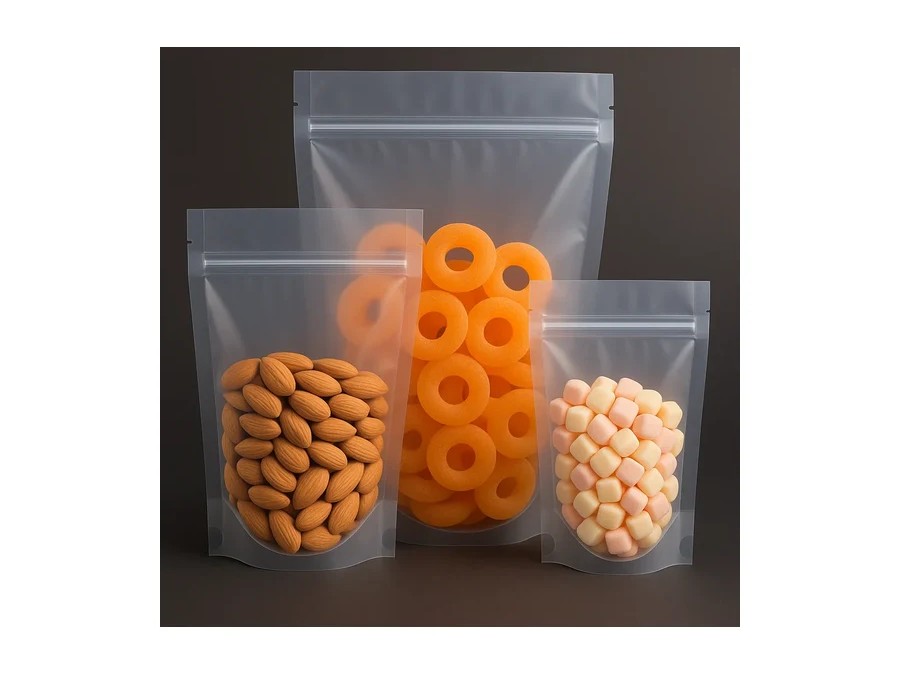
70g; 110 x 170 x 70mm; 100 pcs · Material: Clear/brown kraft laminate
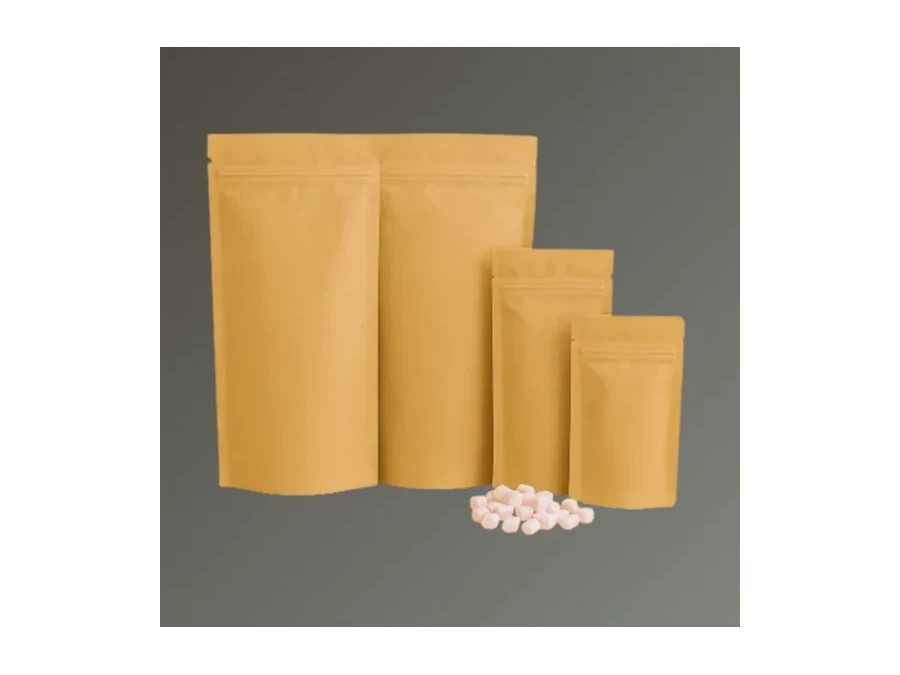
1kg; 100 pcs · Material: Holographic plastic laminate
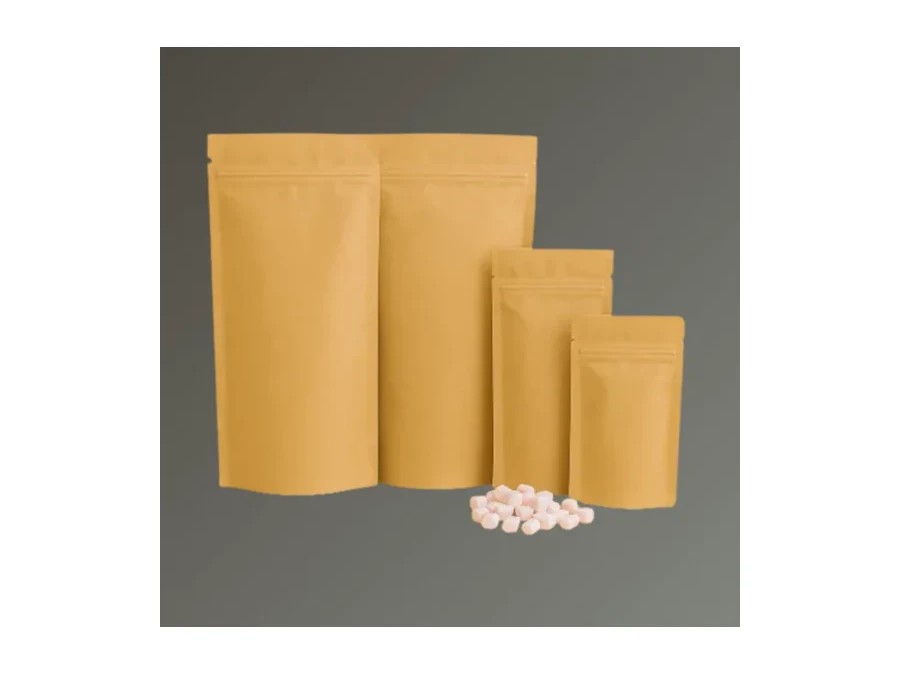
70g; 110 x 170 x 70mm; 100 pcs · Material: Silver matt plastic laminate
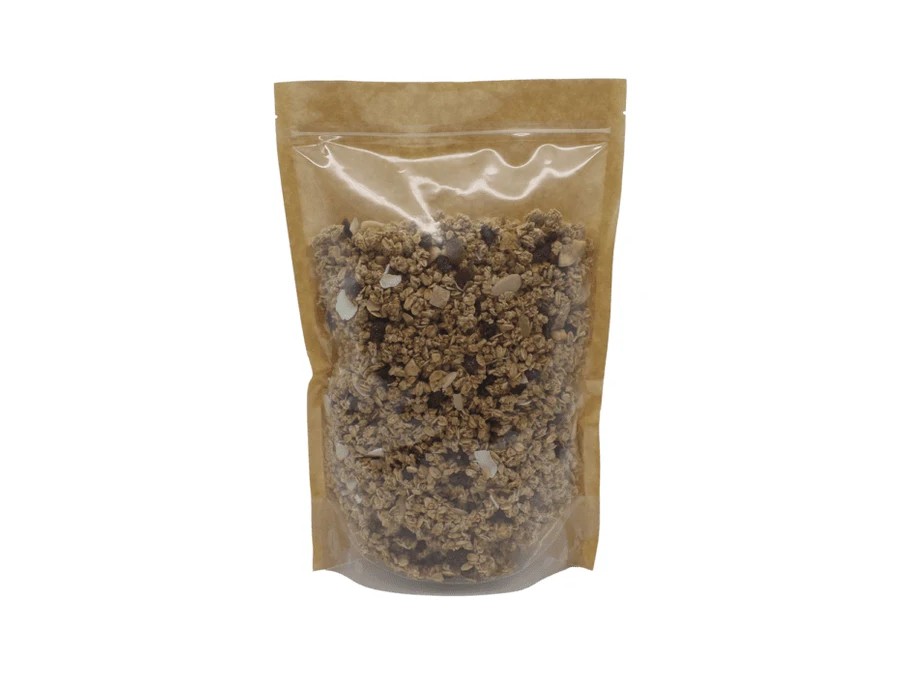
1kg; valve; 100 pcs · Material: White matt plastic laminate
70g; window; 100 pcs · Material: Silver matt laminate + window
50g; 90 x 140 x 50mm; 100 pcs · Material: Holographic plastic laminate
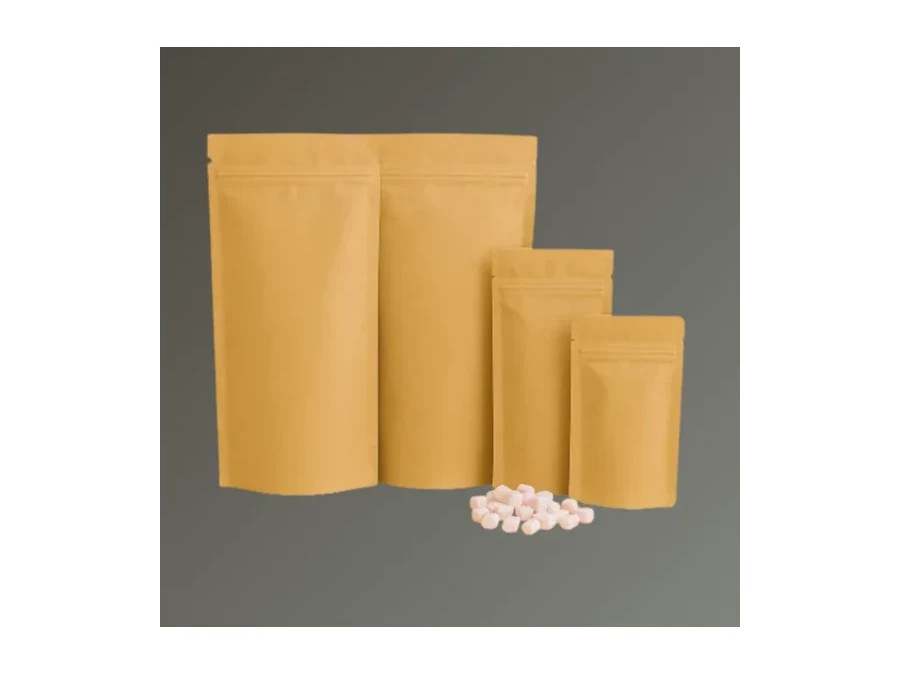
50g; 100 pcs · Material: Clear/brown kraft laminate
100g, clear front/brown back, resealable · Material: Clear/brown kraft laminate
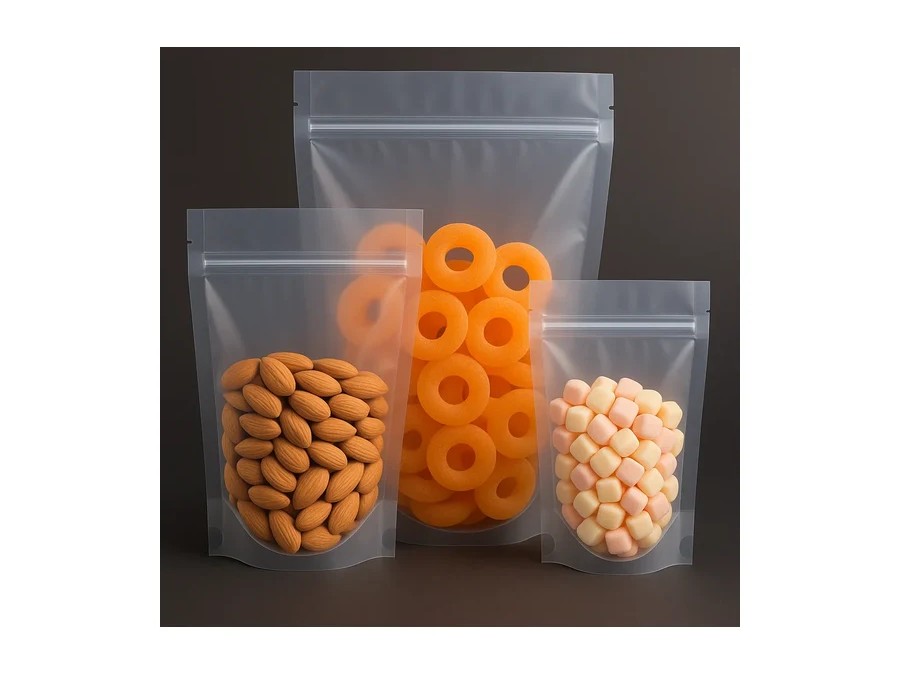
250g, clear front/brown back, zipper · Material: Clear/brown kraft laminate
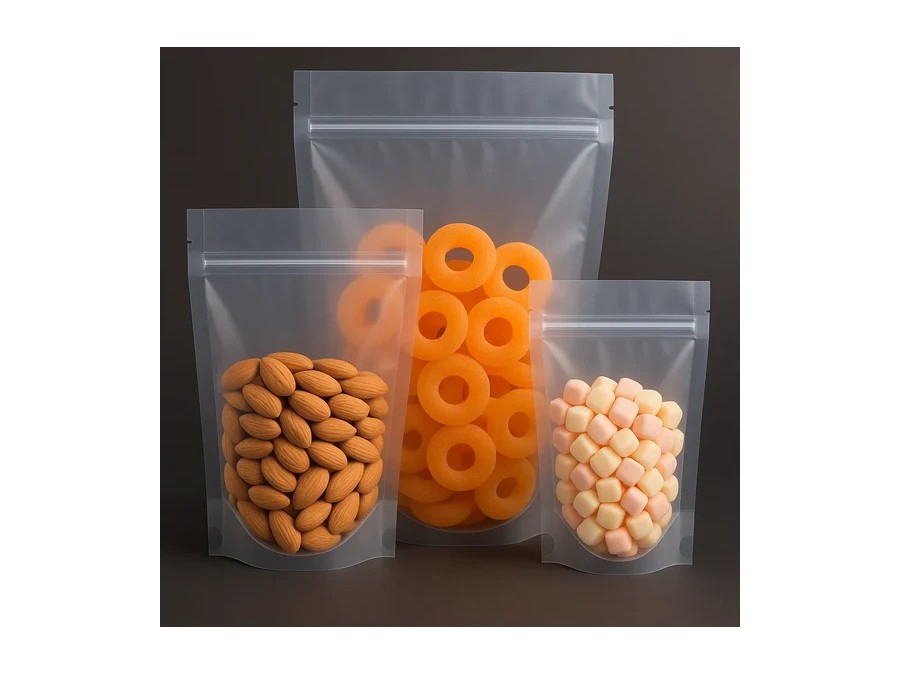
500g, clear front/brown back, zipper · Material: Clear/brown kraft laminate
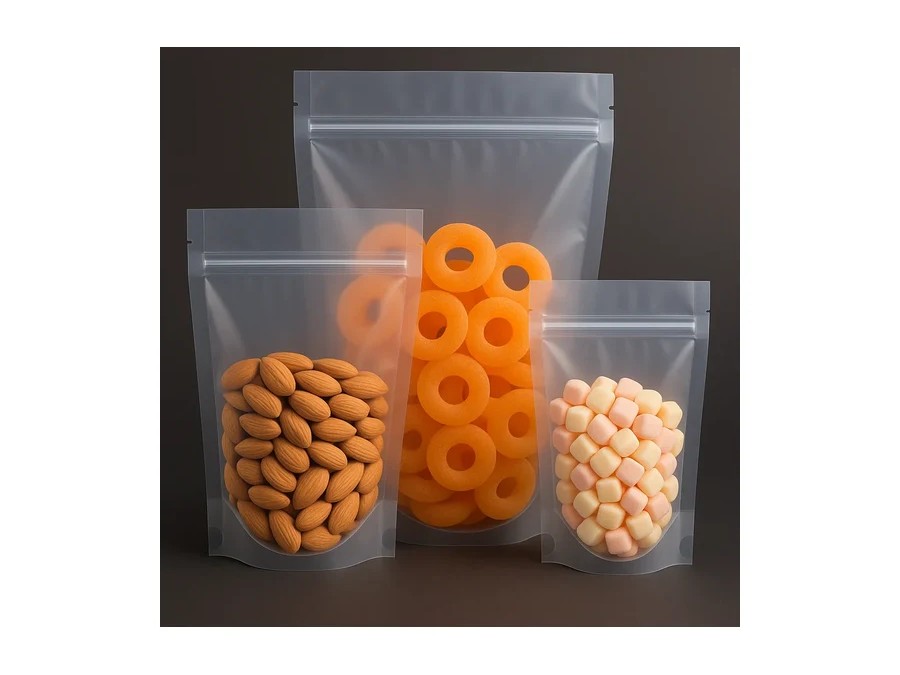
750g, zipper and tear notches · Material: Clear/brown kraft laminate
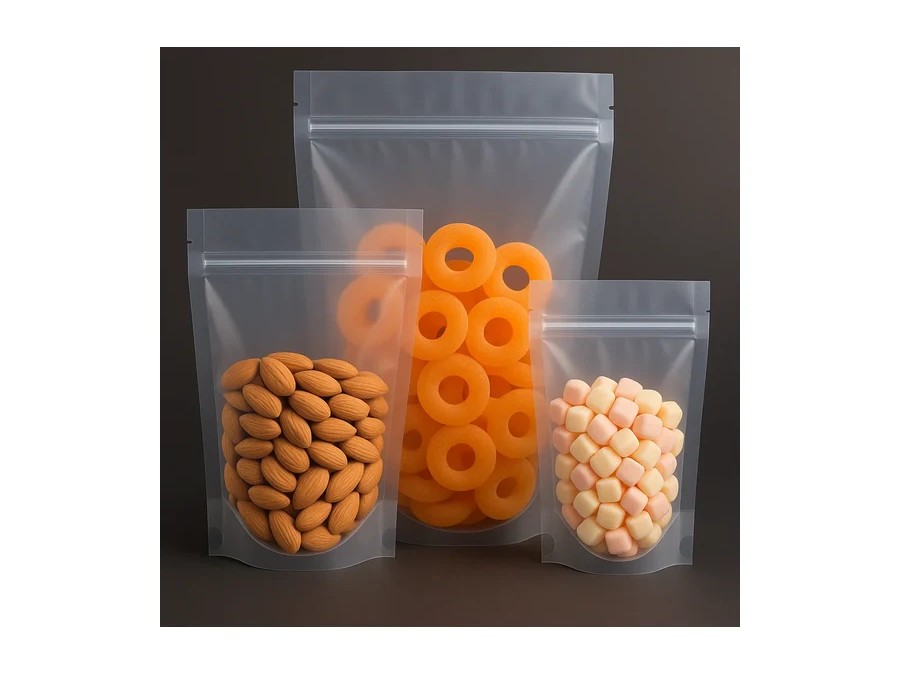
1kg, resealable zipper · Material: Clear/brown kraft laminate
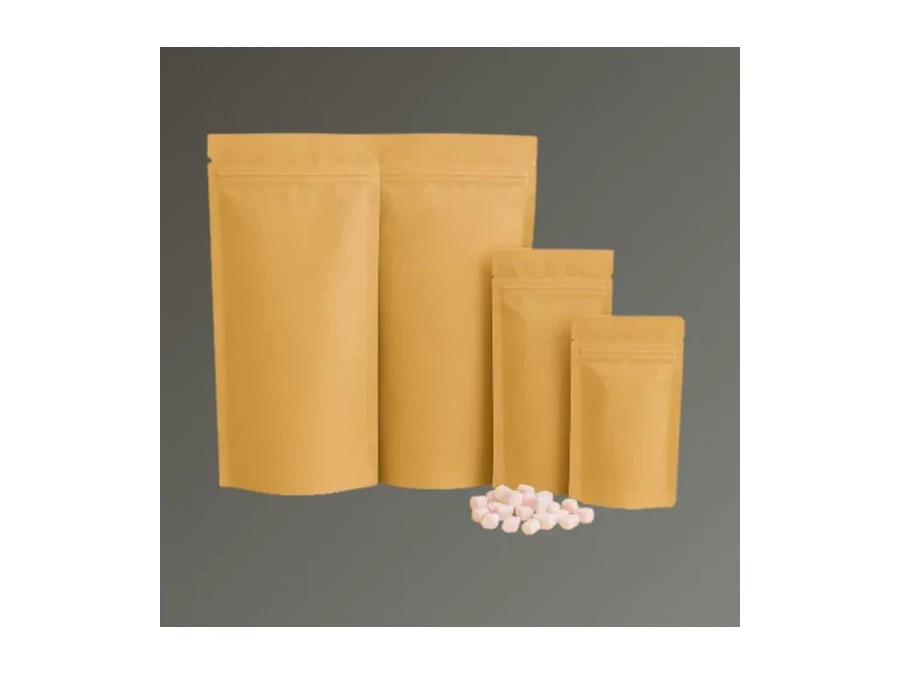
100g, silver matt, no window · Material: Silver matt laminate
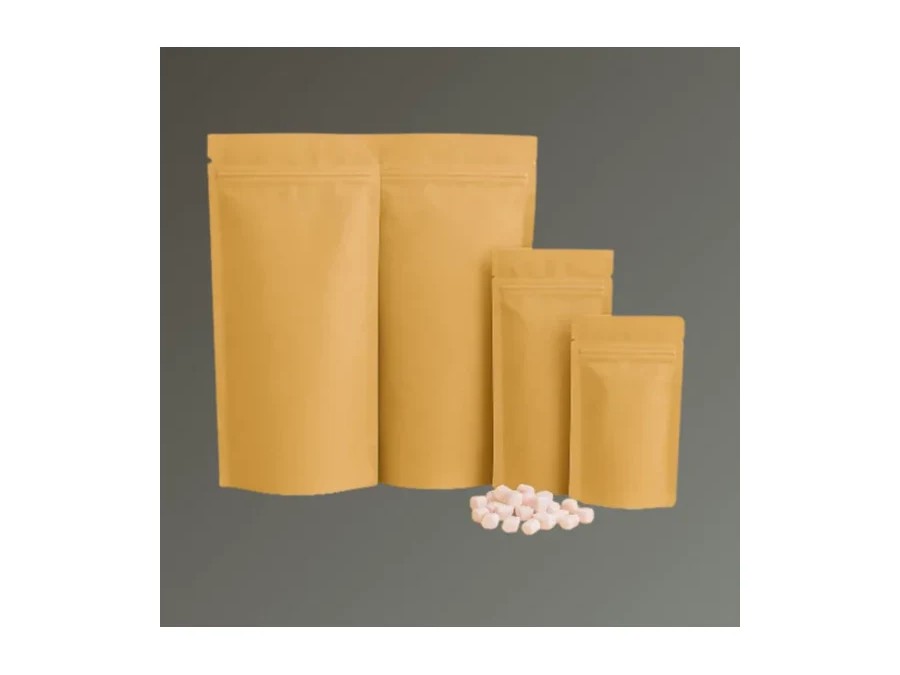
250g, silver matt, no window · Material: Silver matt laminate
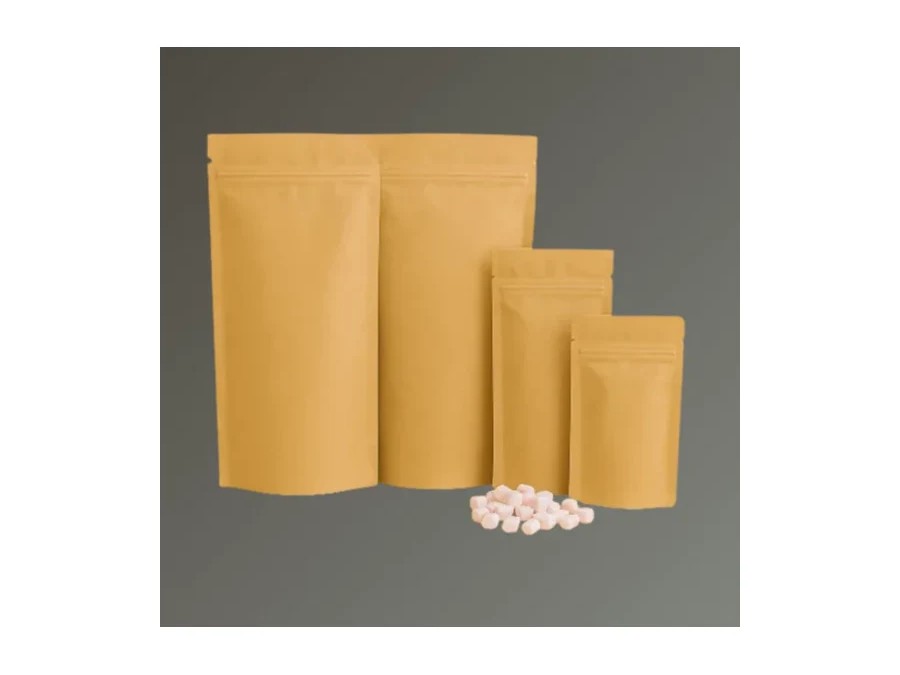
500g, silver matt, no window · Material: Silver matt laminate
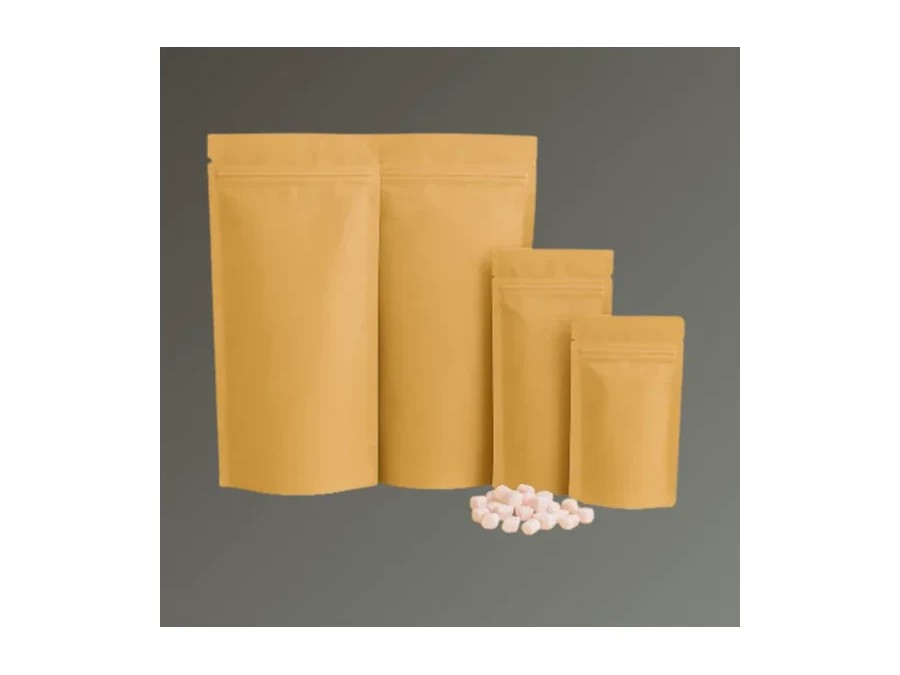
1kg, silver matt, no window · Material: Silver matt laminate
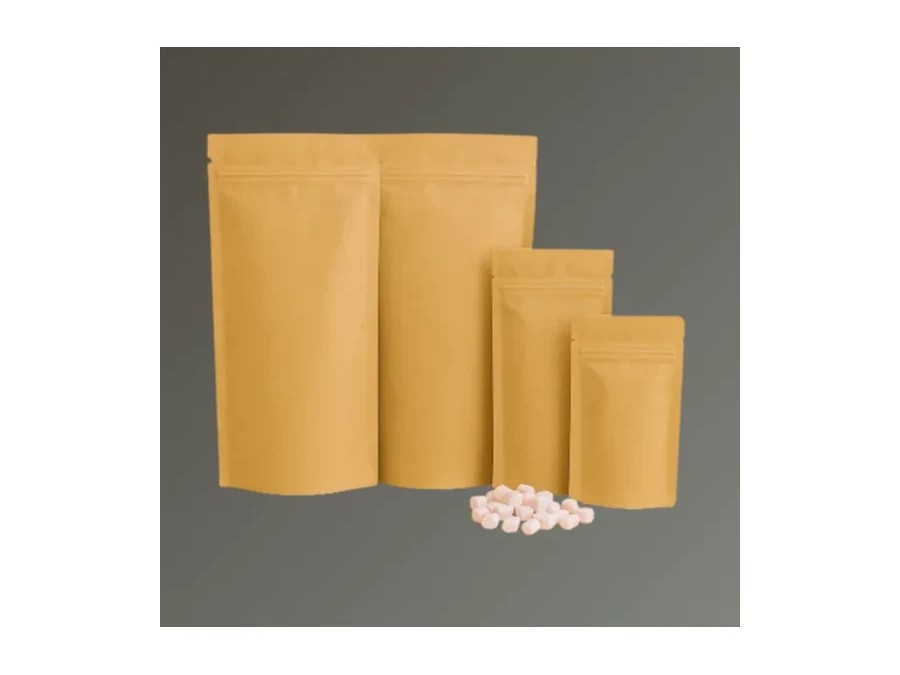
250g, one-way valve, zipper · Material: Black matt laminate
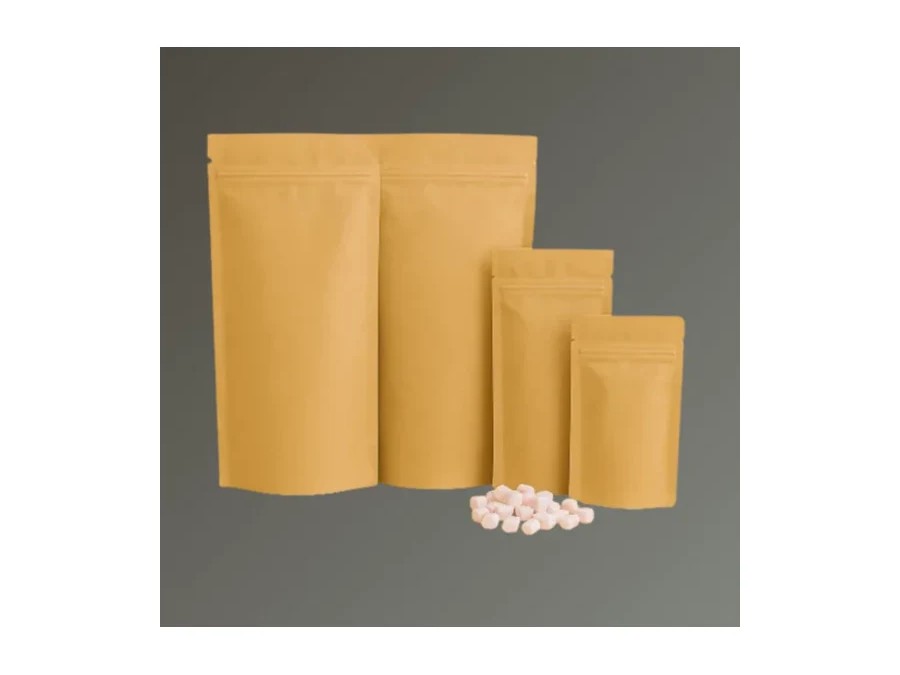
500g, one-way valve, zipper · Material: Black matt laminate
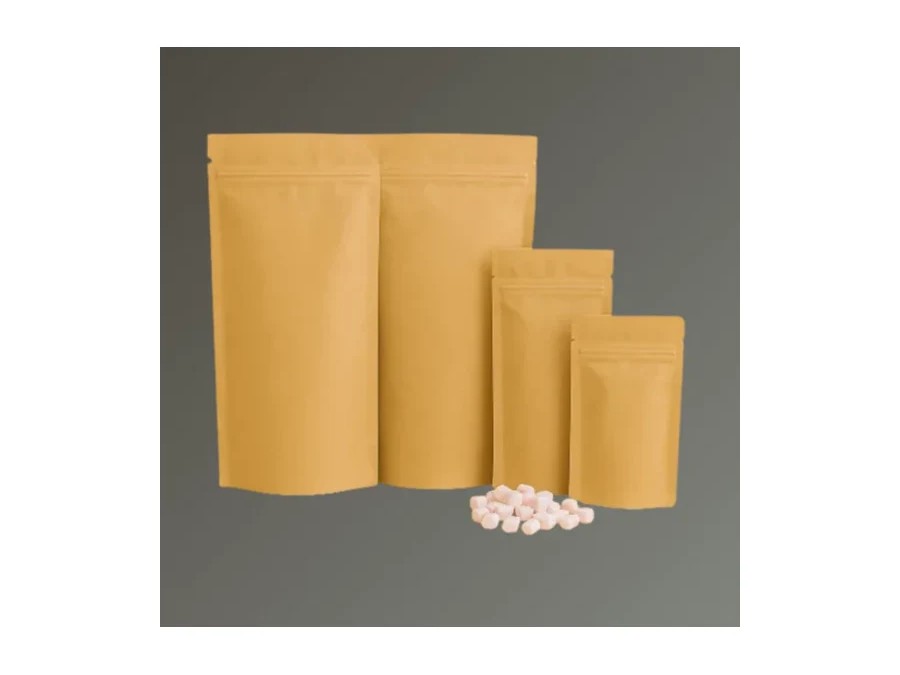
1kg, one-way valve, zipper · Material: Black matt laminate
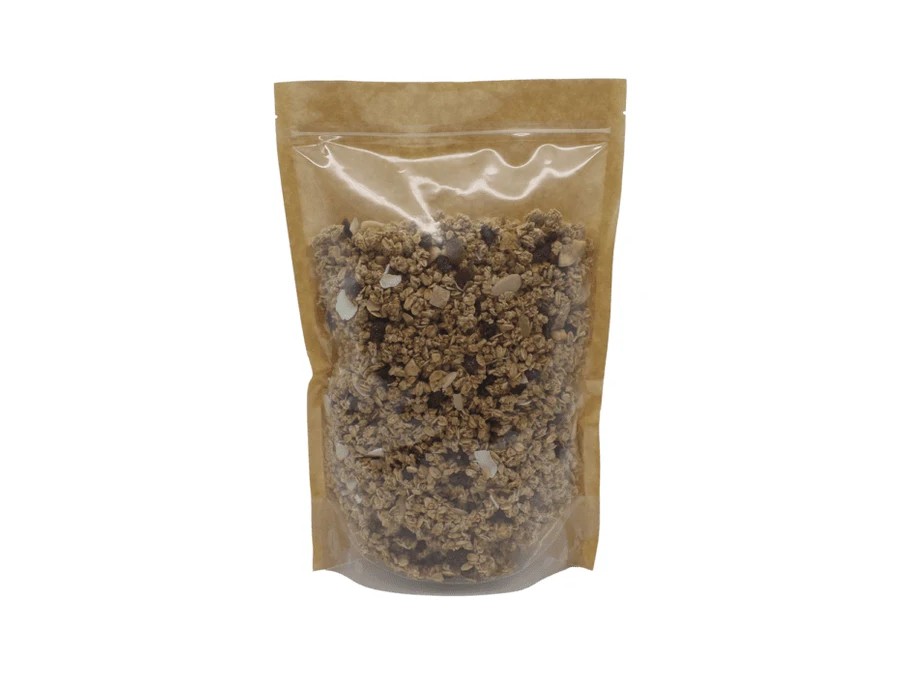
multiple sizes, oval window · Material: Brown kraft laminate + window
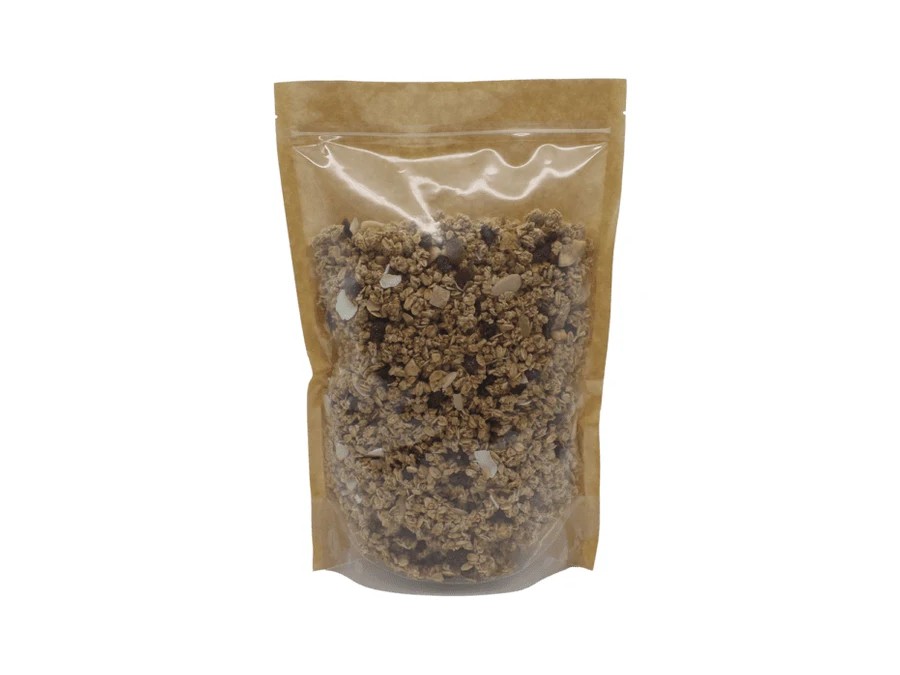
multiple sizes, resealable zip · Material: Black kraft laminate + window
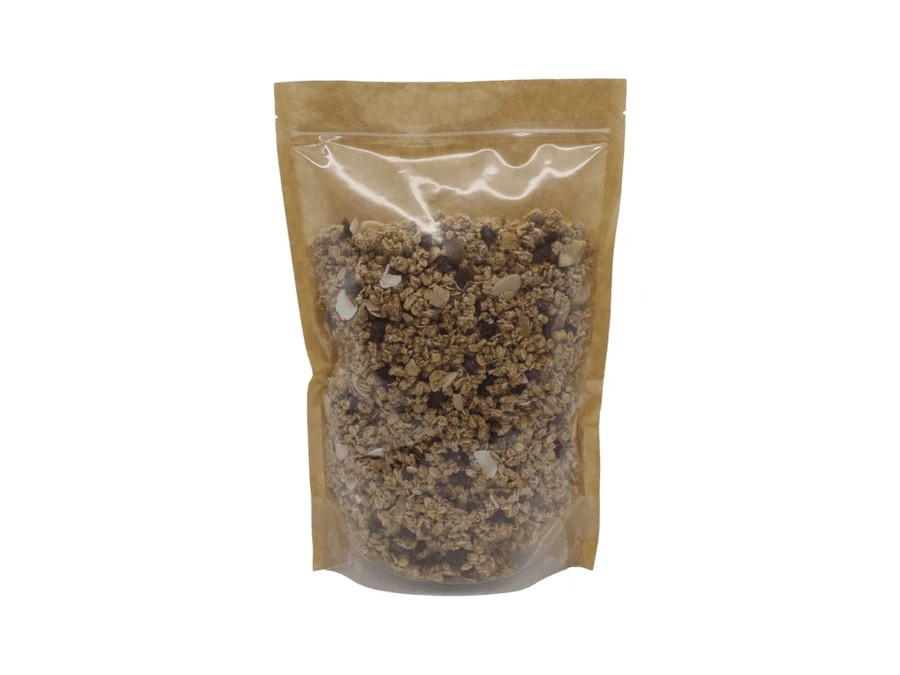
multiple sizes, no window, zipper · Material: White kraft laminate
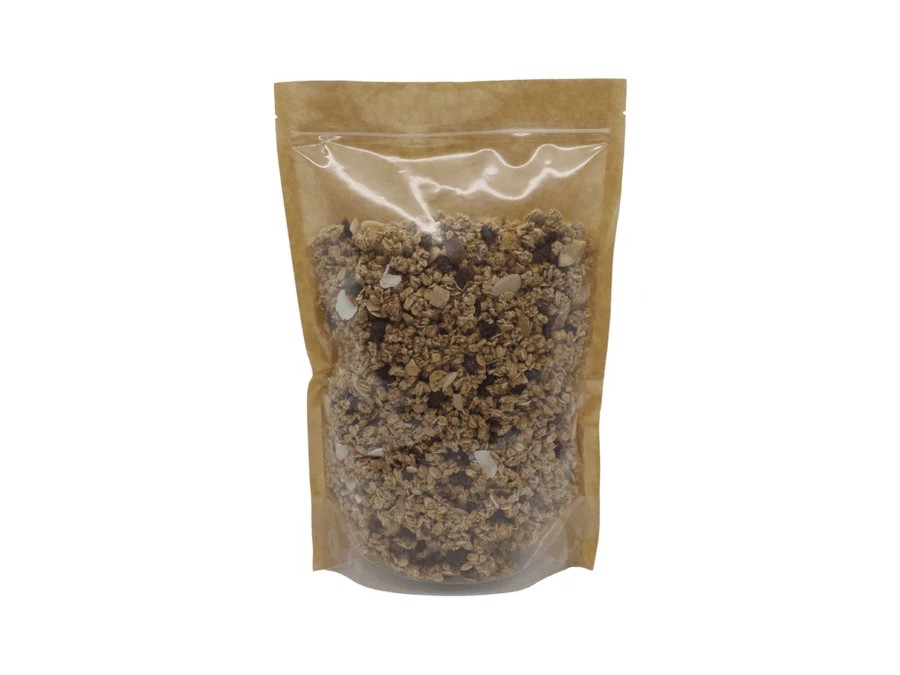
multiple sizes, no window, zipper · Material: Brown kraft laminate
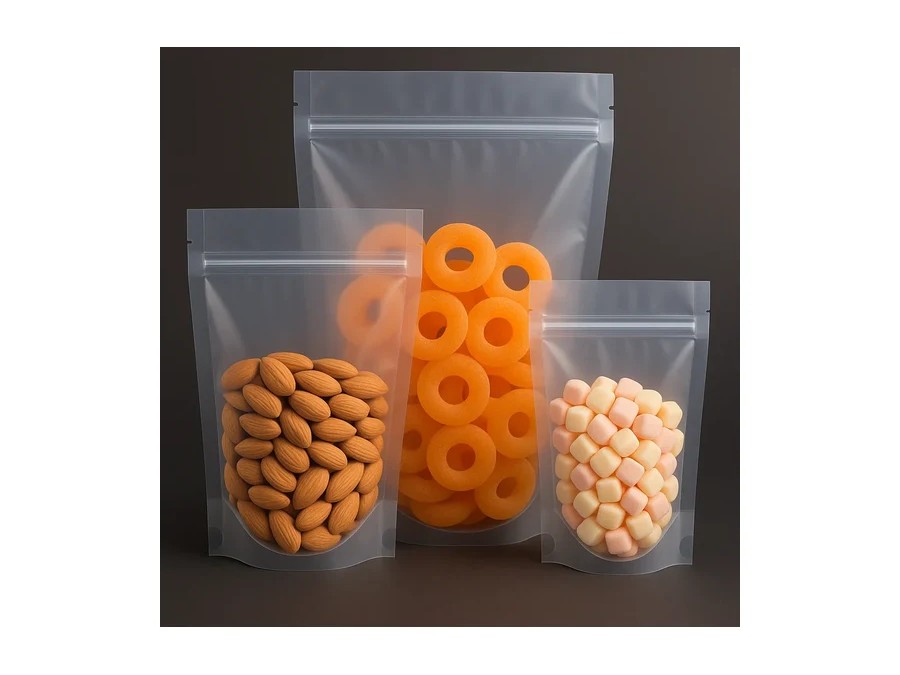
multiple sizes, resealable · Material: Clear + silver laminate
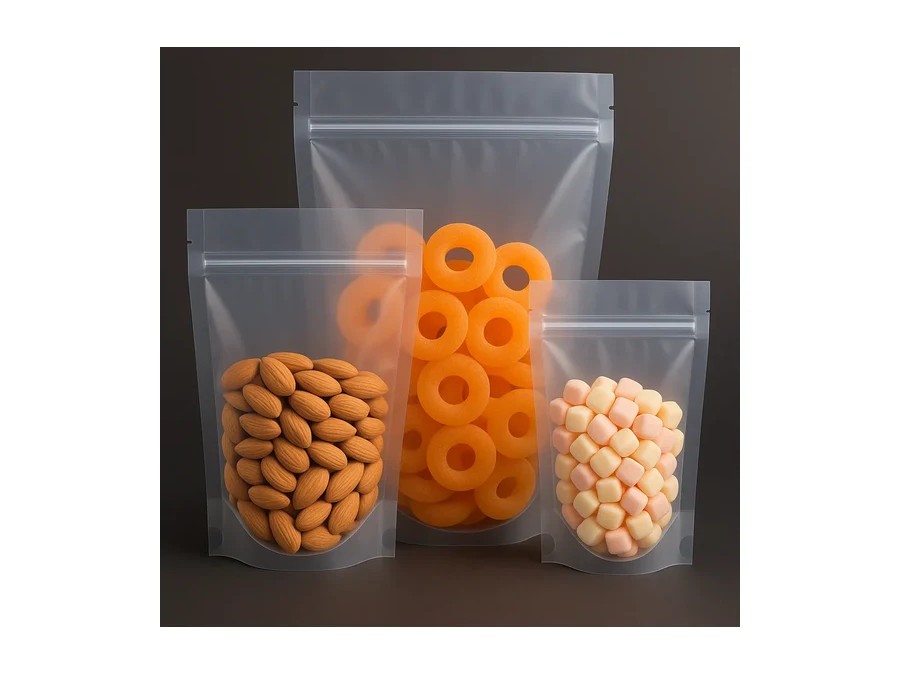
multiple sizes, resealable · Material: Clear + gold laminate
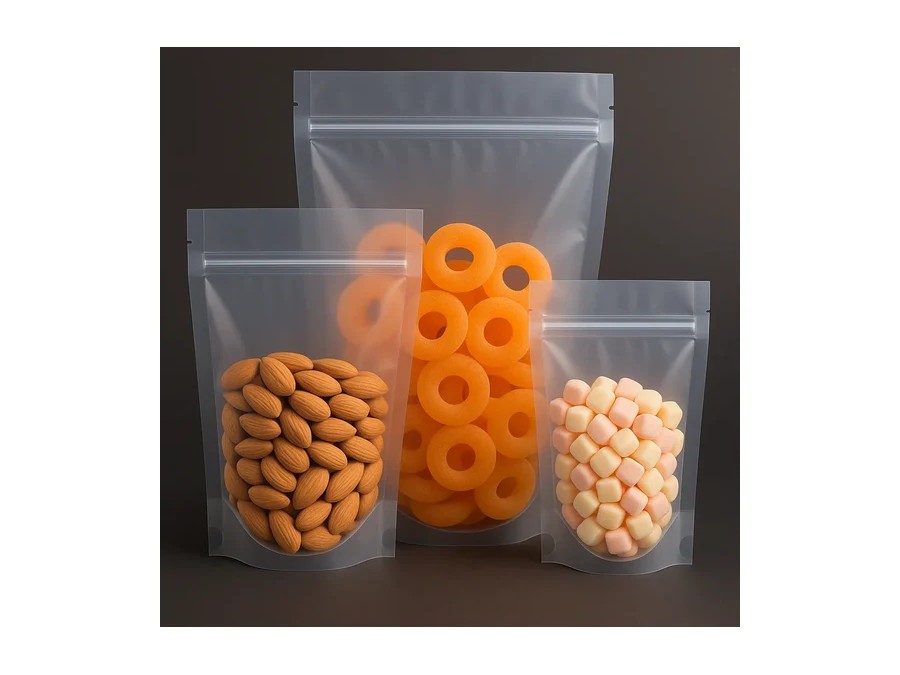
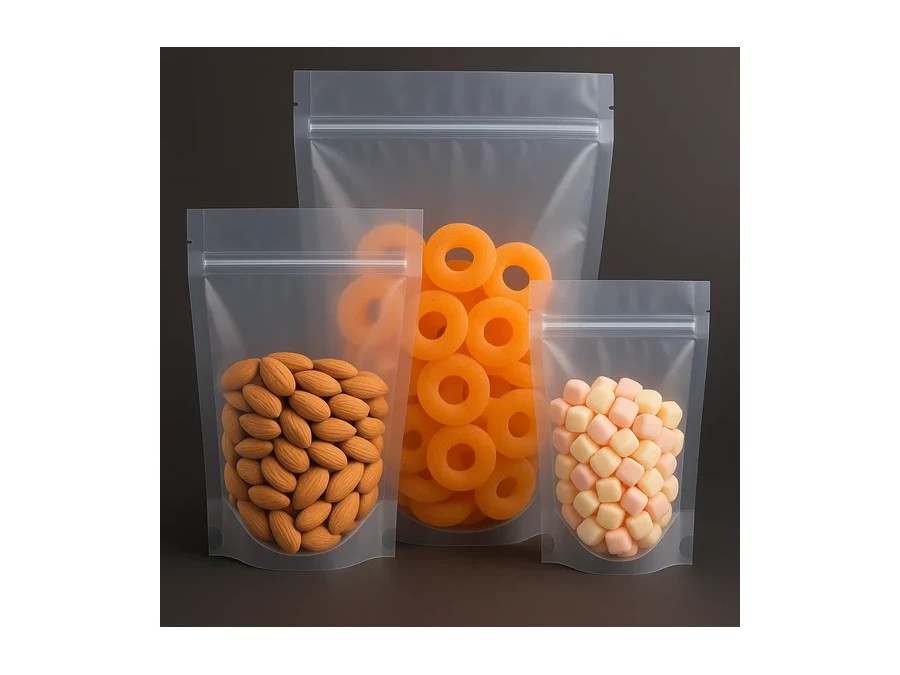
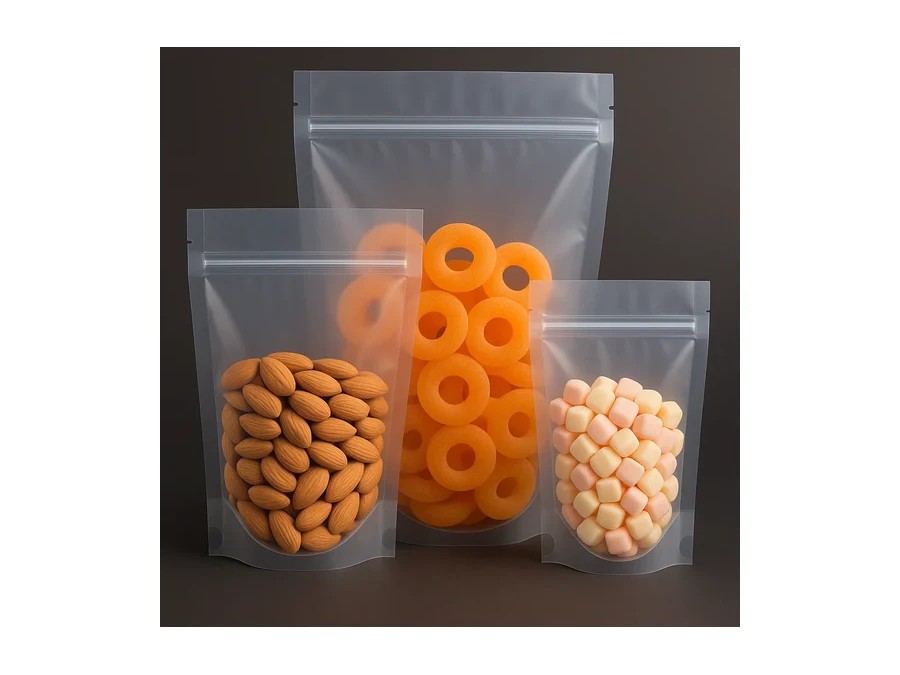
8 sizes; clear; order from 100 · Material: Clear recyclable laminate
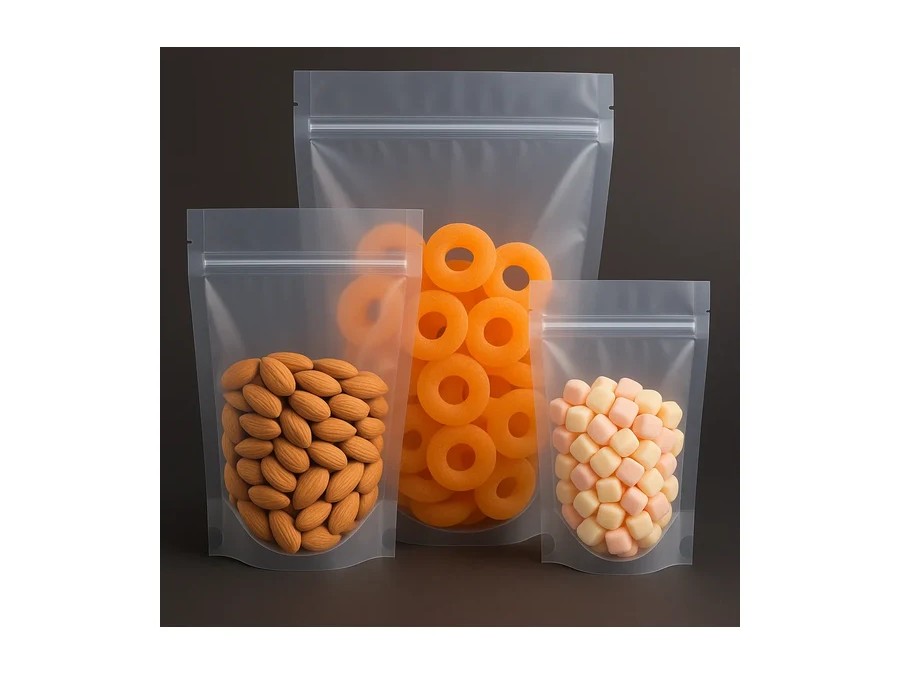
7 sizes, clear front/shiny black back · Material: Clear/shiny black laminate
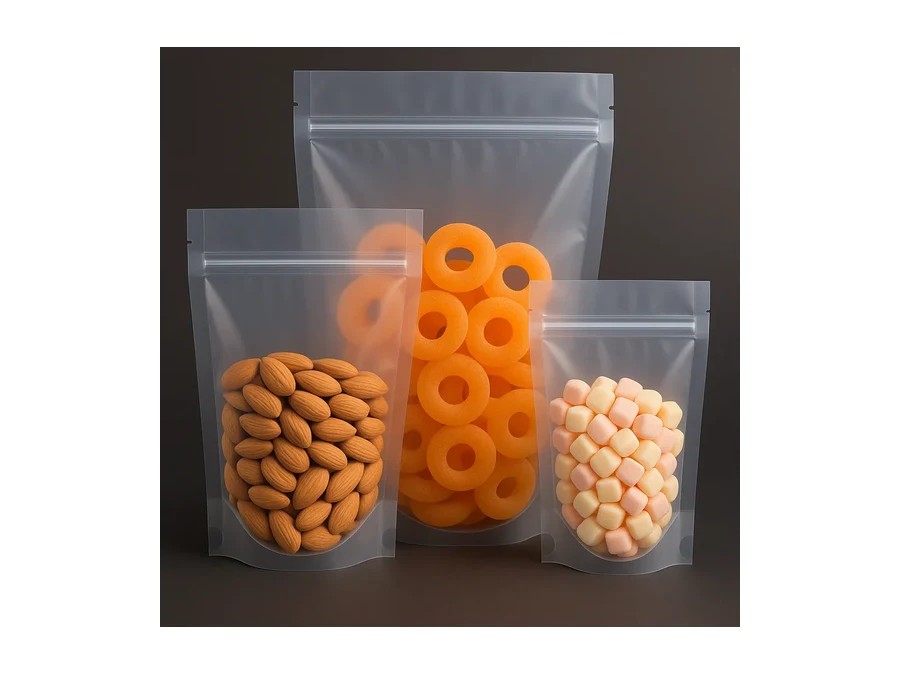
6 sizes, clear front/shiny silver back · Material: Clear/shiny silver laminate
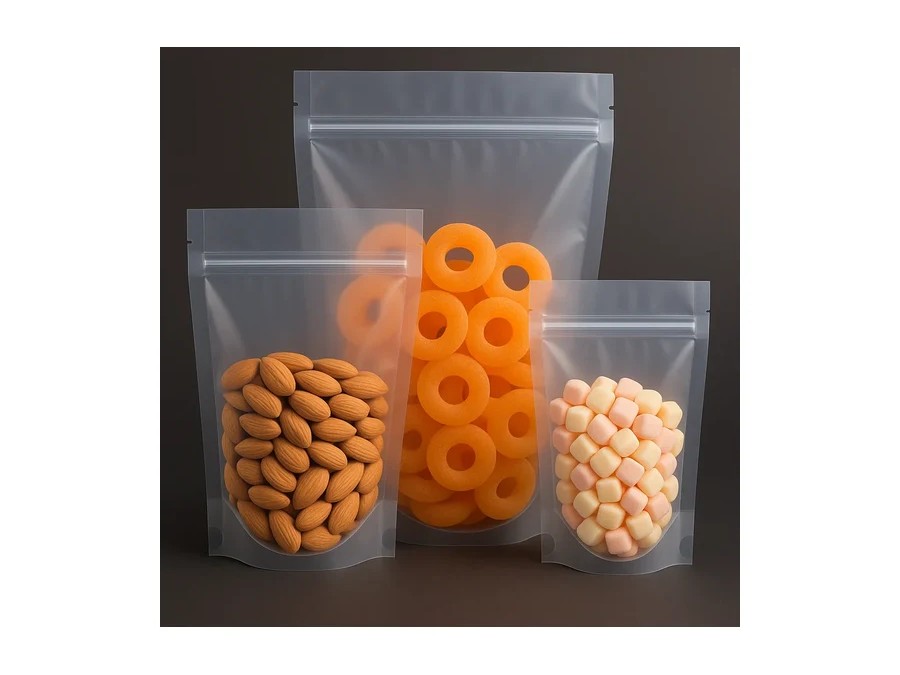
7 sizes, clear front/matt silver back · Material: Clear/matt silver laminate
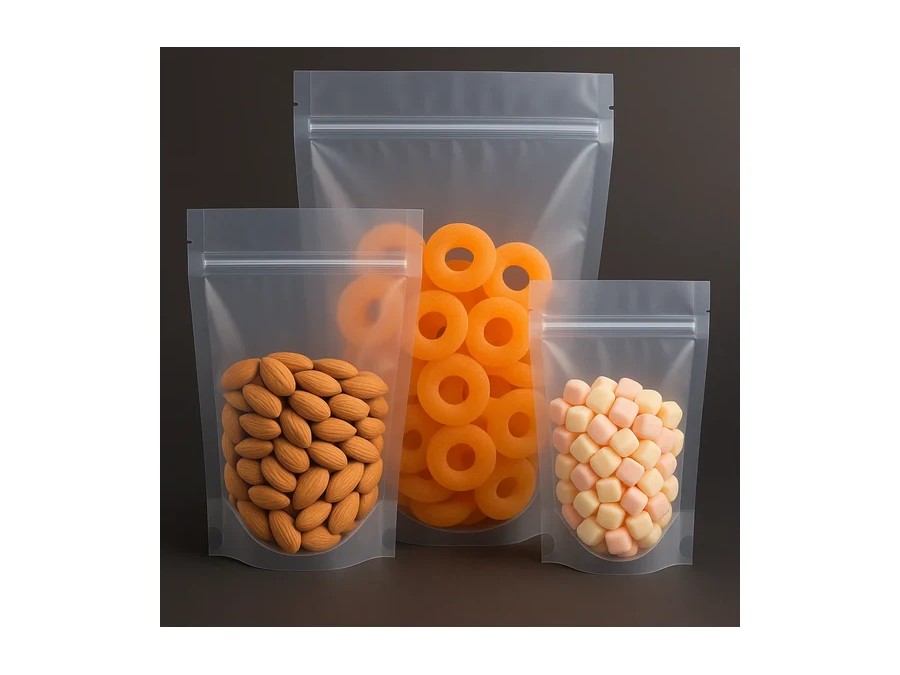
2 sizes, matt clear/matt silver · Material: Matt clear/matt silver laminate
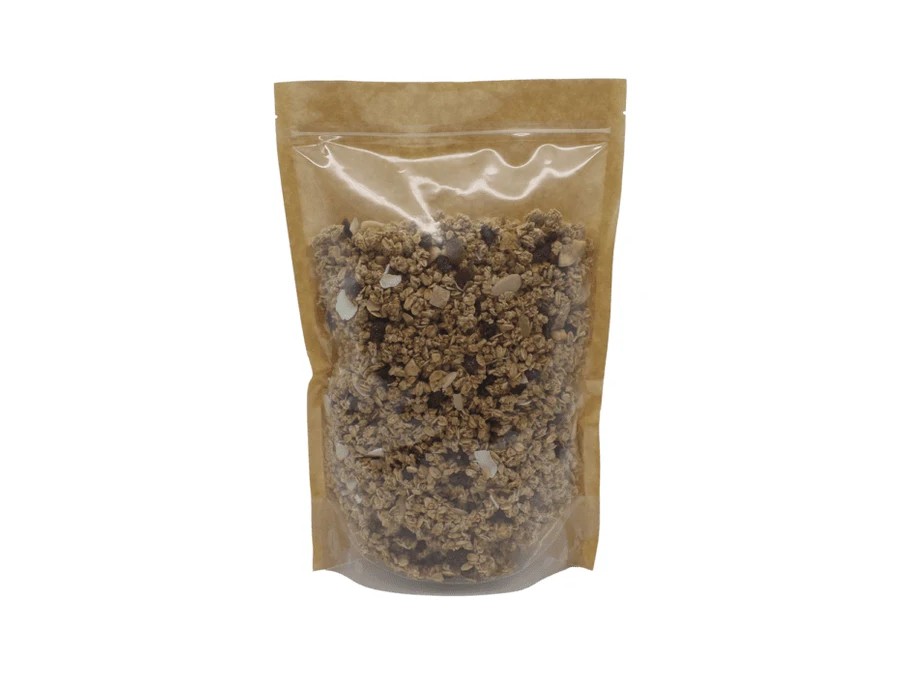
2 sizes, brown kraft, oval window · Material: Brown kraft laminate + window
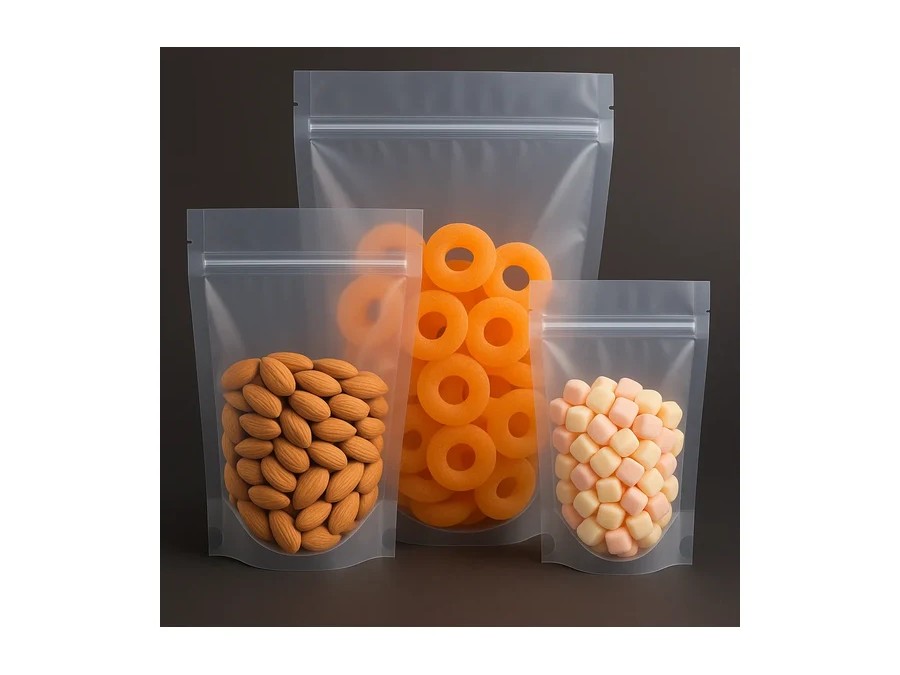
approx 250ml, grip seal zipper · Material: Clear recyclable laminate
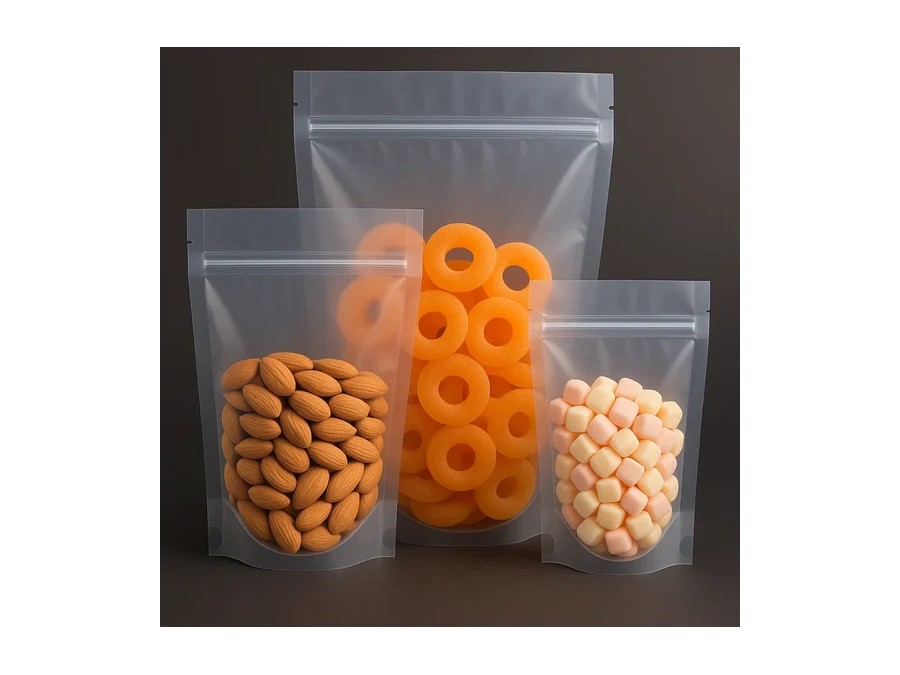
approx 500ml, grip seal zipper · Material: Clear recyclable laminate
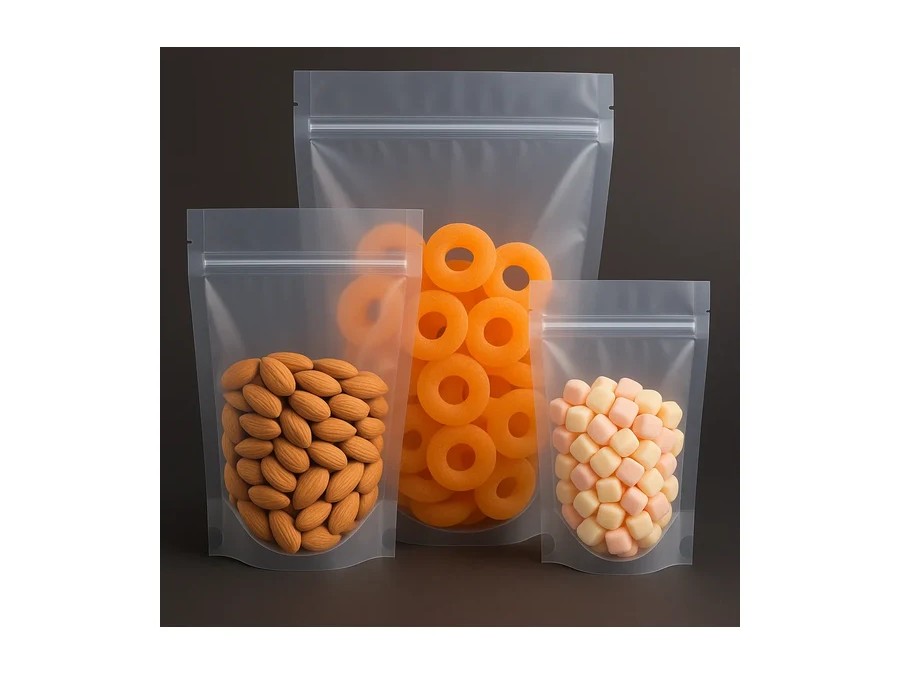
approx 750ml, grip seal zipper · Material: Clear recyclable laminate
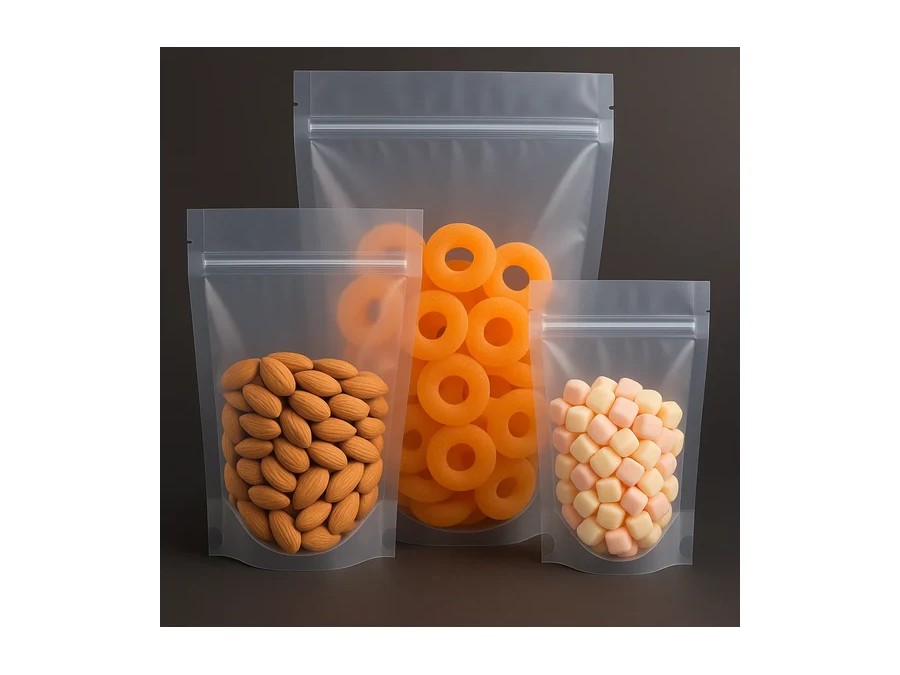
approx 1500ml, grip seal zipper · Material: Clear recyclable laminate
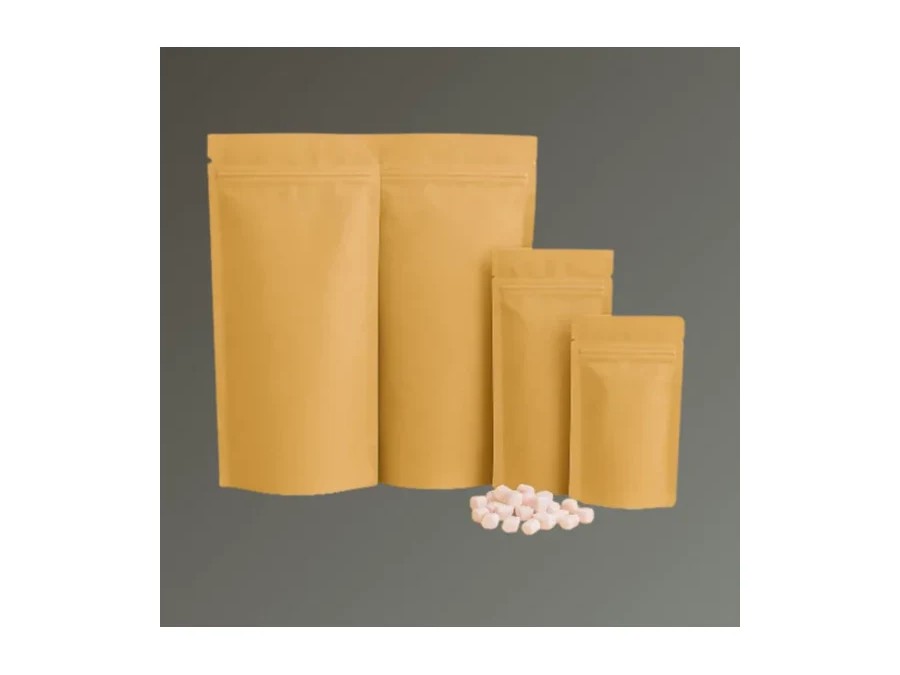
500ml, zipper, metallic barrier · Material: Silver foil laminate
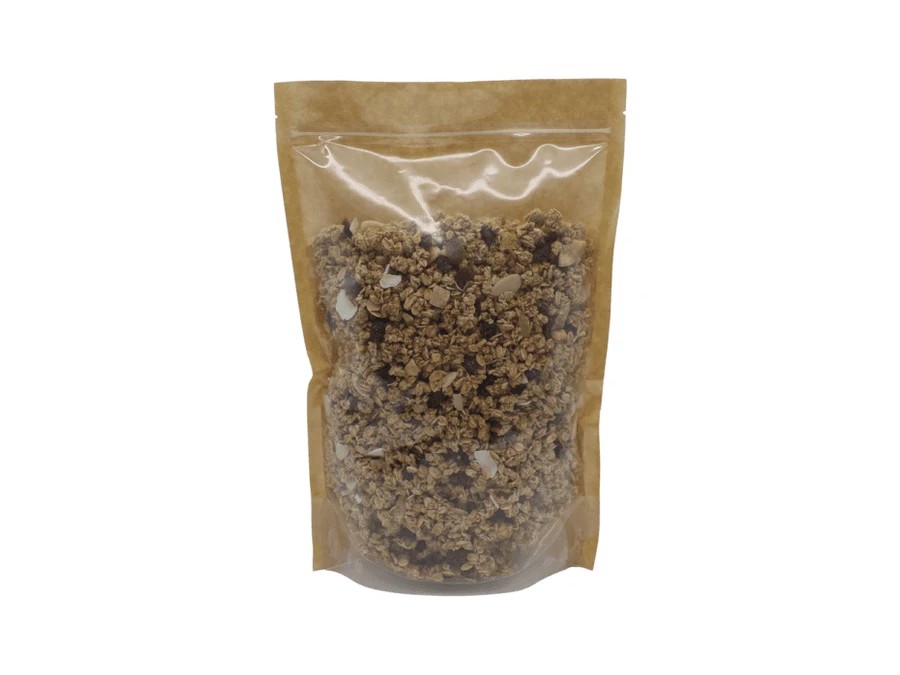
250g, window, zip · Material: Kraft laminate + window
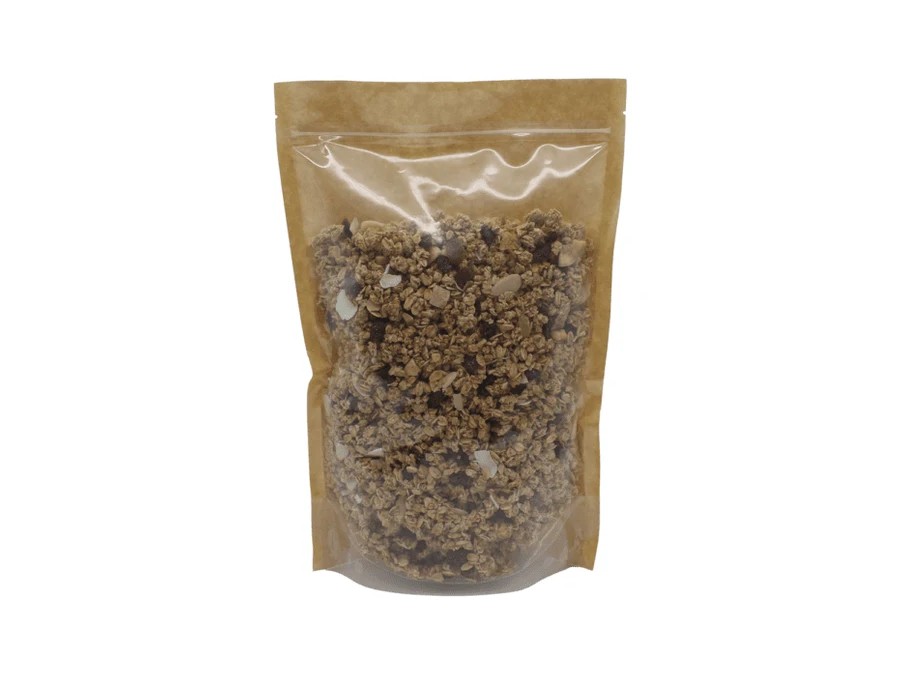
500g, window, zip · Material: Kraft laminate + window
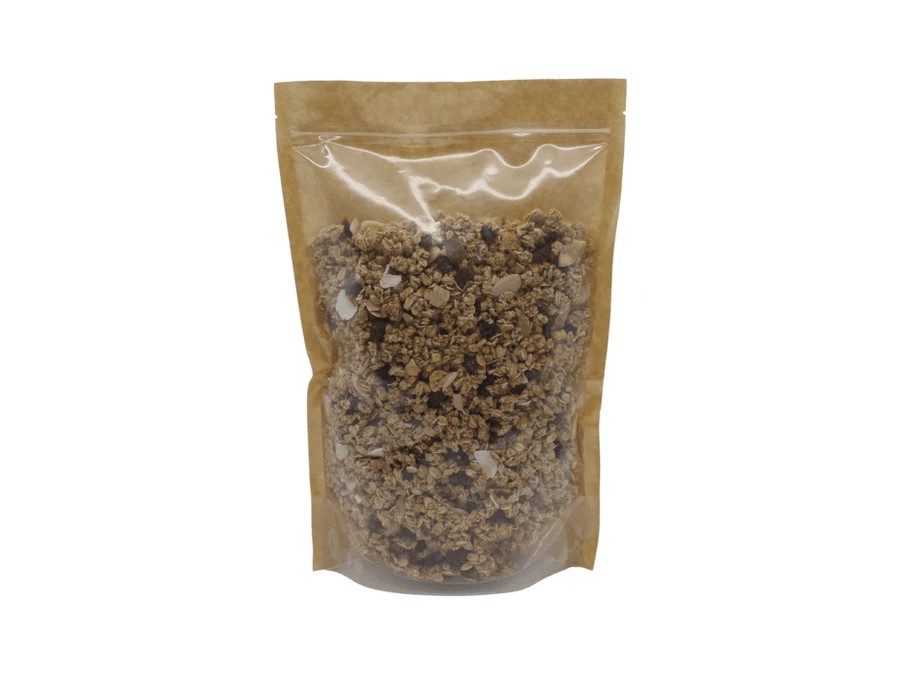
100g, zip seal, heat sealable · Material: Kraft laminate
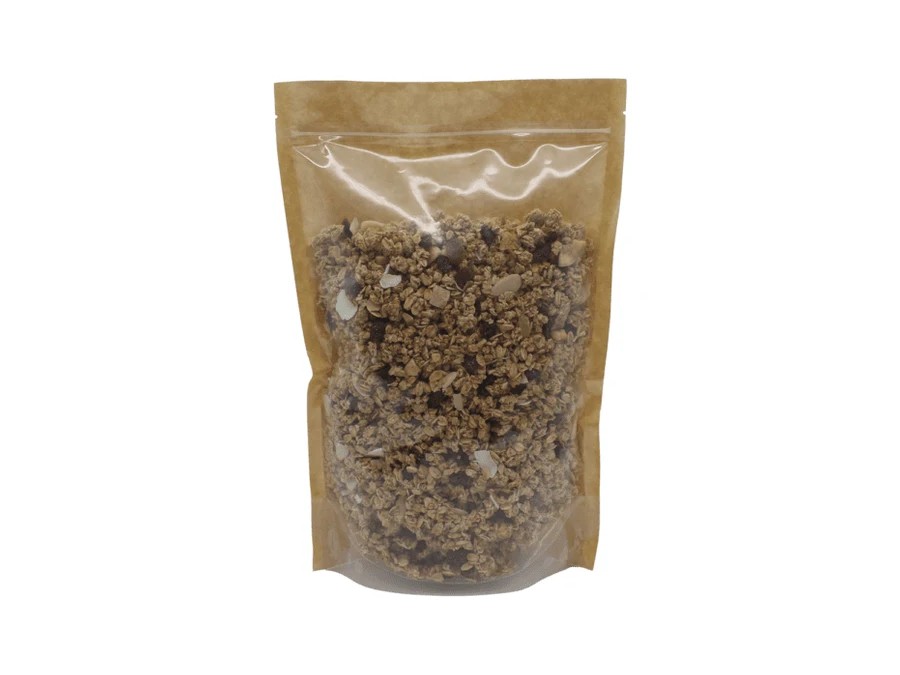
250g, zip seal, heat sealable · Material: Kraft laminate
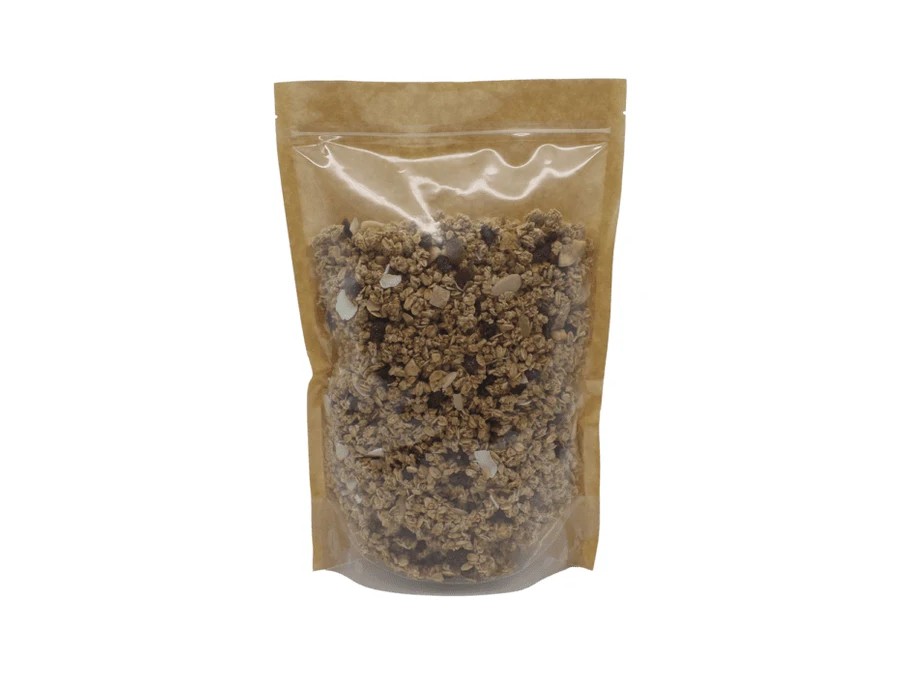
500g, zip seal, heat sealable · Material: Kraft laminate
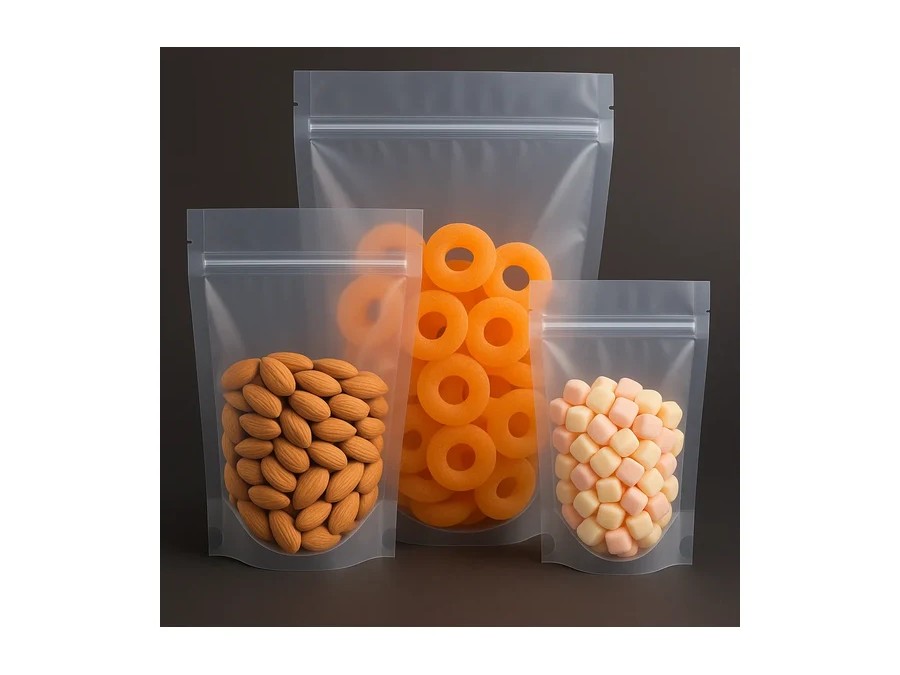
100g, zip seal, heat sealable · Material: Clear laminate
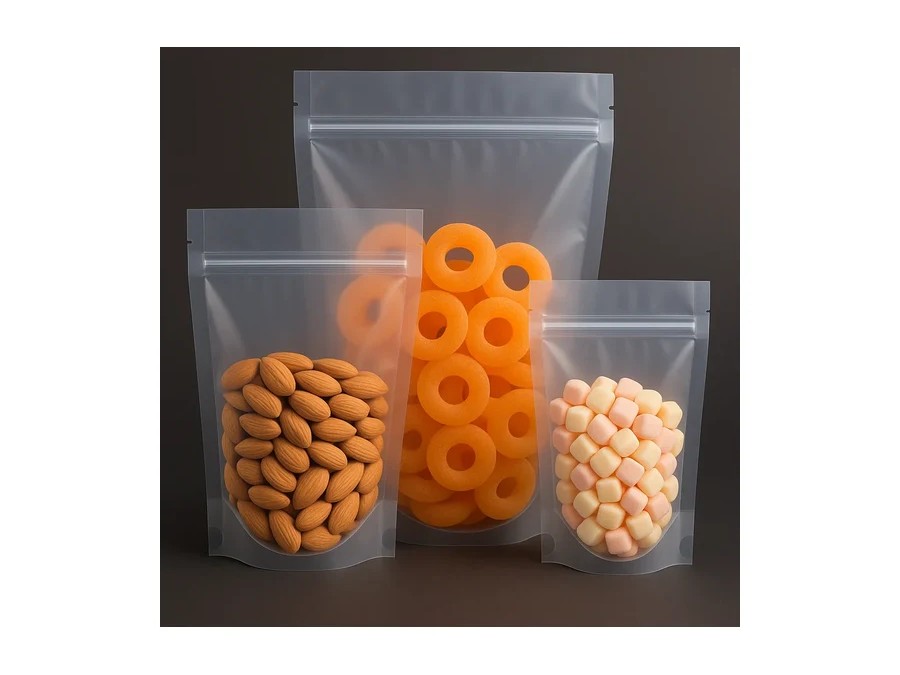
500g, zip seal, heat sealable · Material: Clear laminate
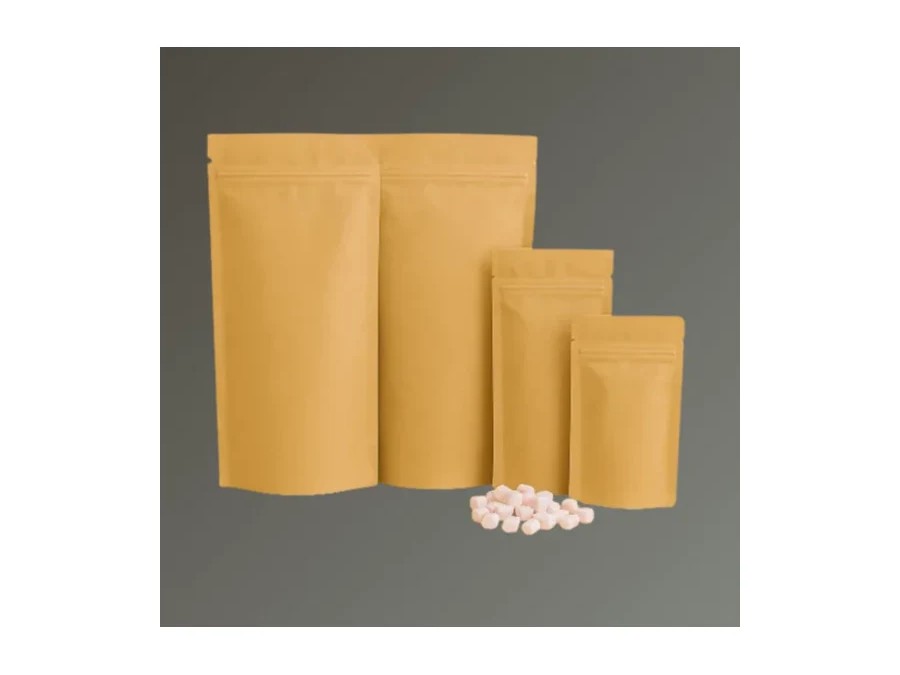
250g, gold matt, zipper · Material: Gold matt laminate
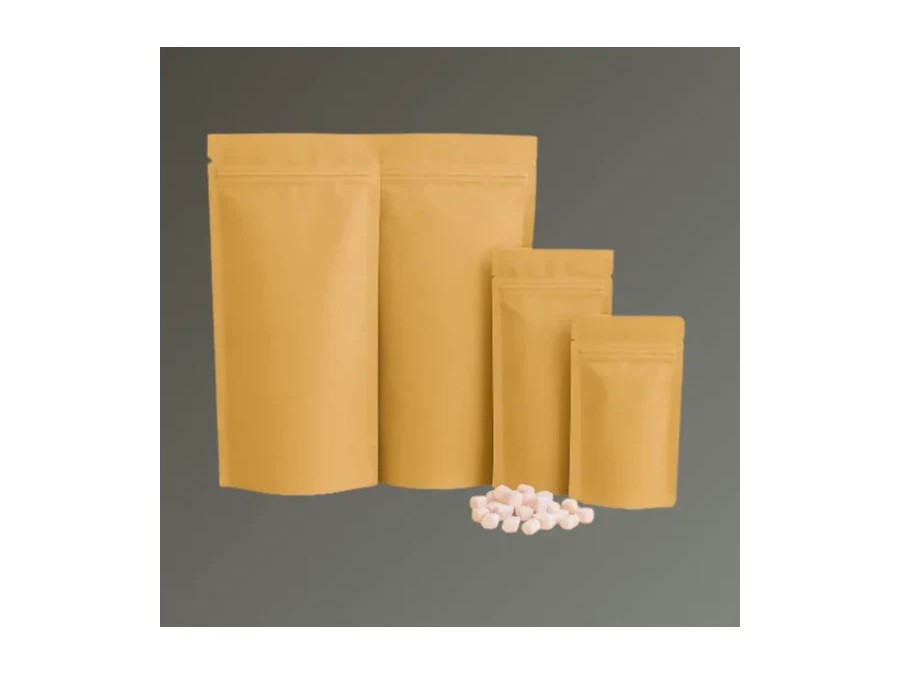
500g, gold matt, zipper · Material: Gold matt laminate
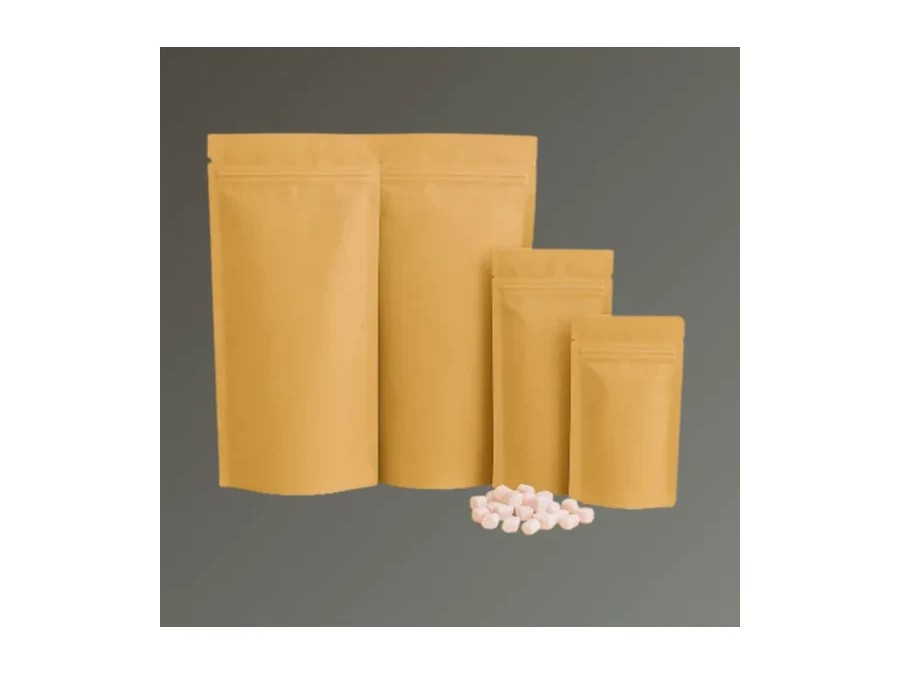
250g, shiny holographic, zipper · Material: Holographic plastic laminate
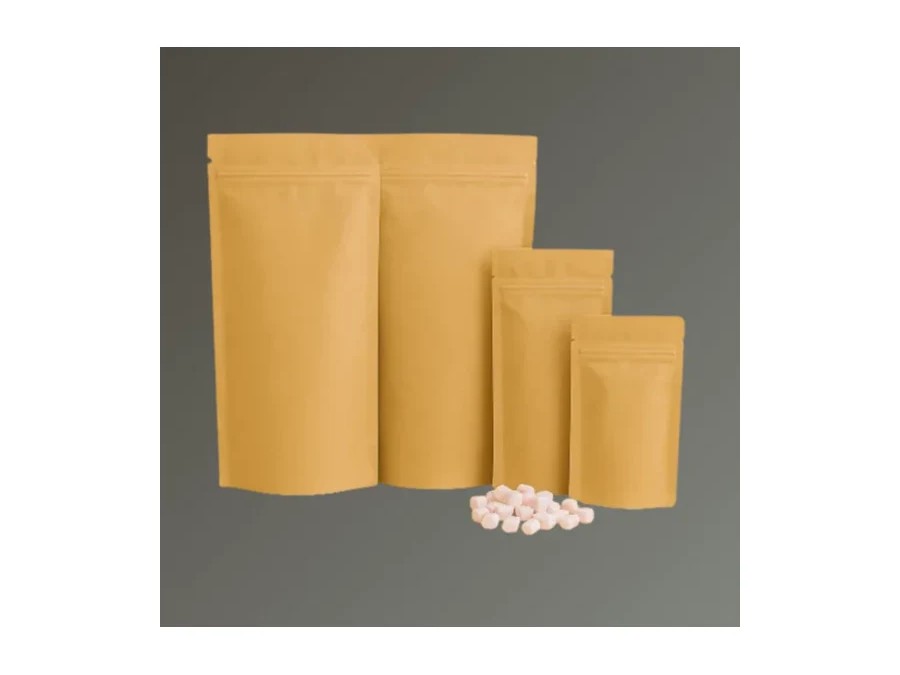
500g, shiny holographic, zipper · Material: Holographic plastic laminate
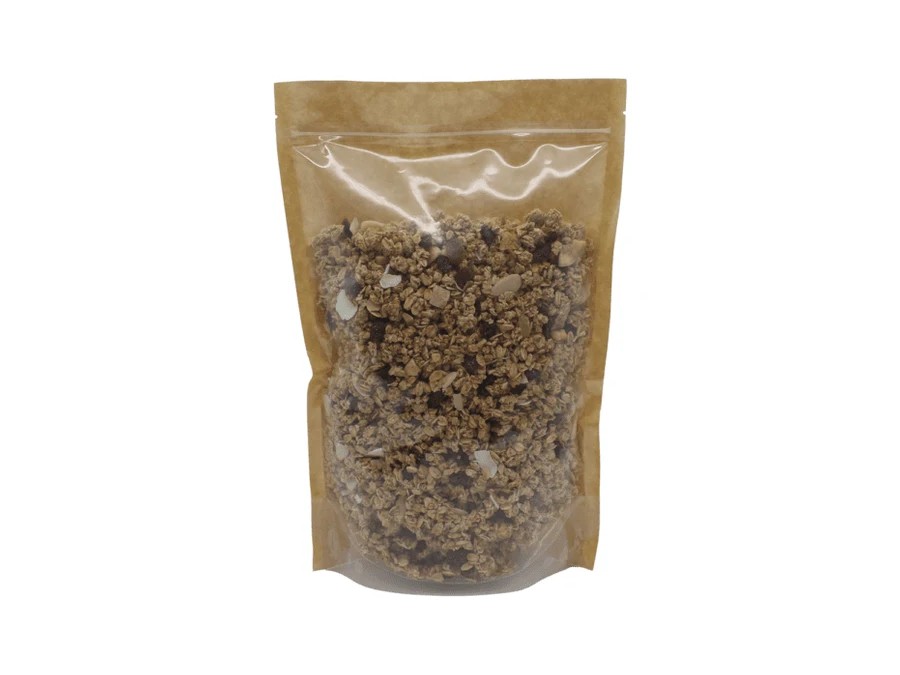
250g, box pouch, window · Material: Kraft laminate + window
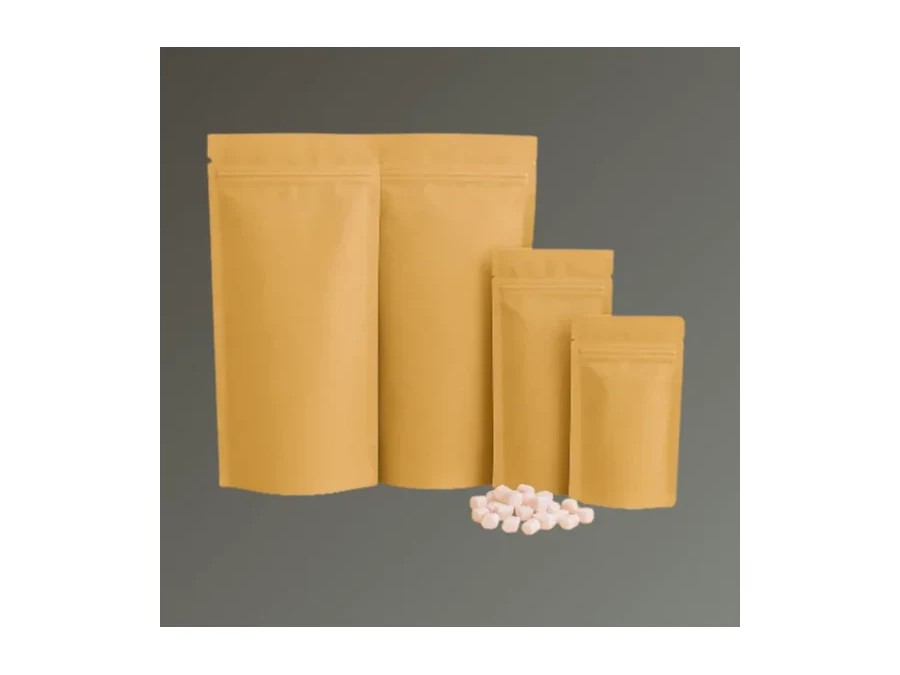
500g, box pouch, no window · Material: Black matt laminate
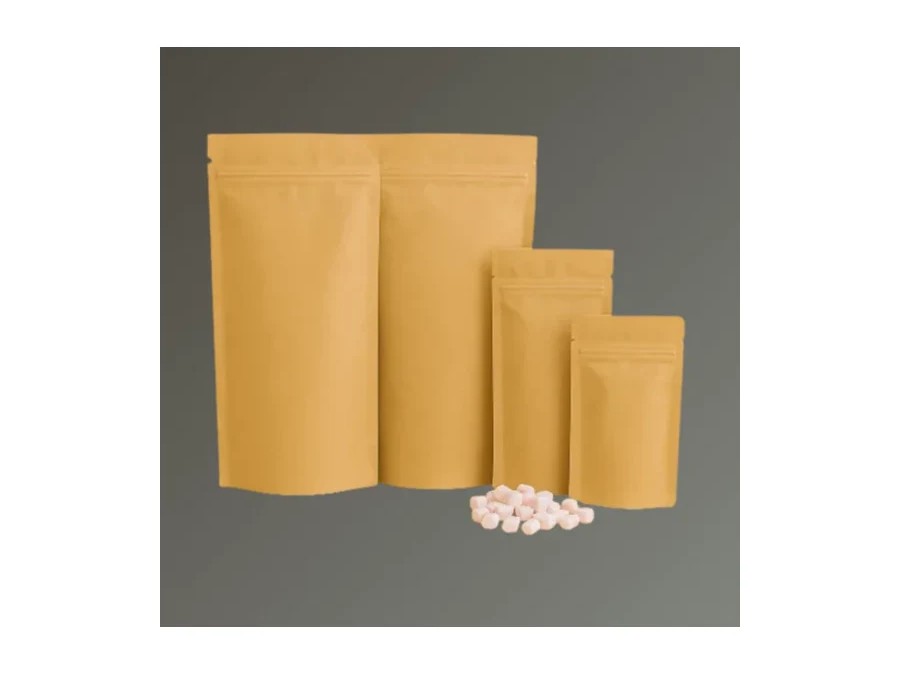
250ml, corner spout, clear · Material: Clear laminate + spout
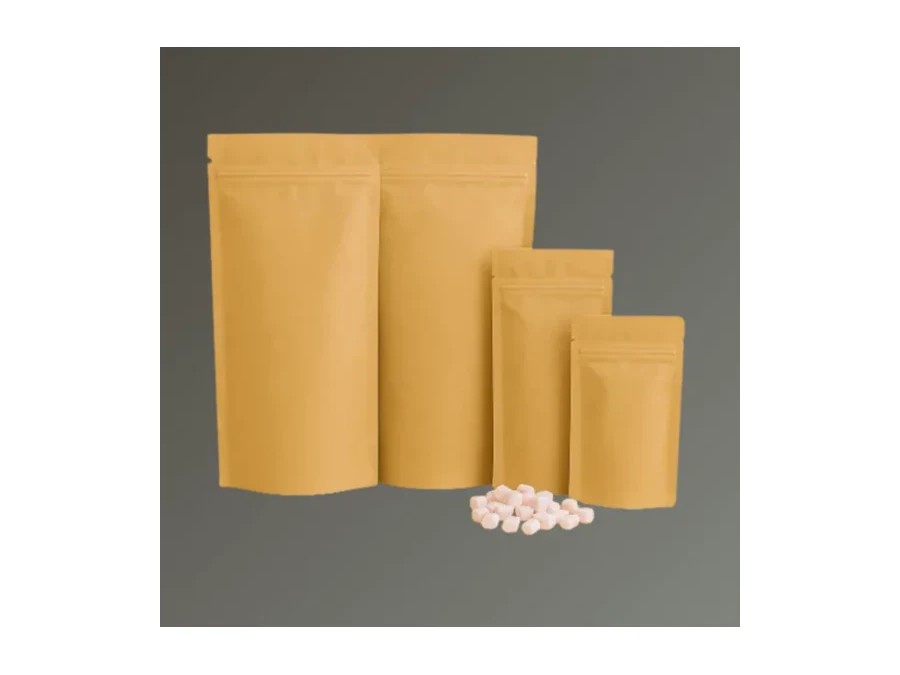
500ml, corner spout, clear · Material: Clear laminate + spout
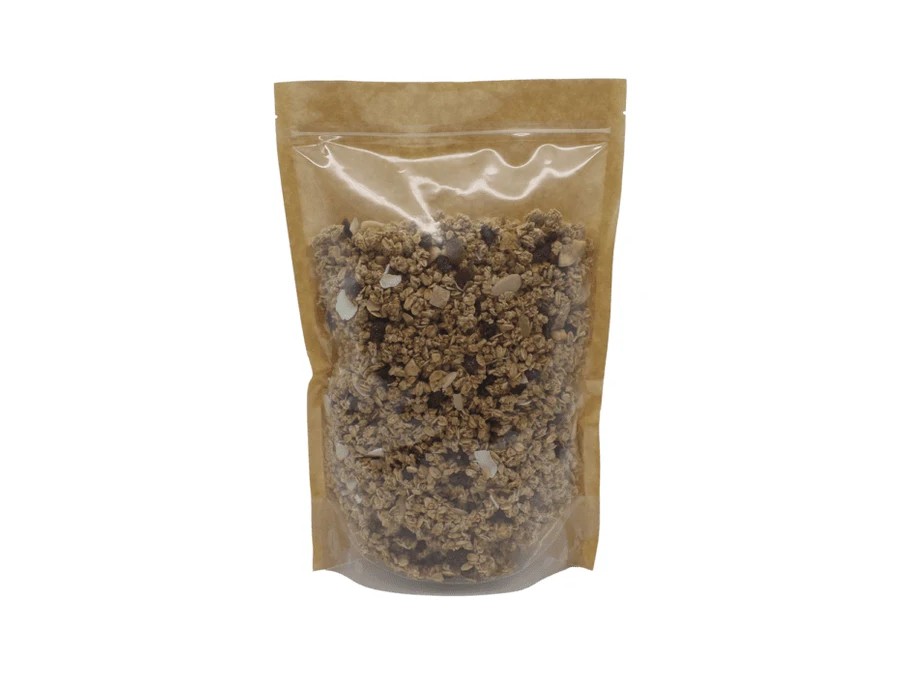
250ml, spout, kraft-effect · Material: Kraft-look laminate + spout
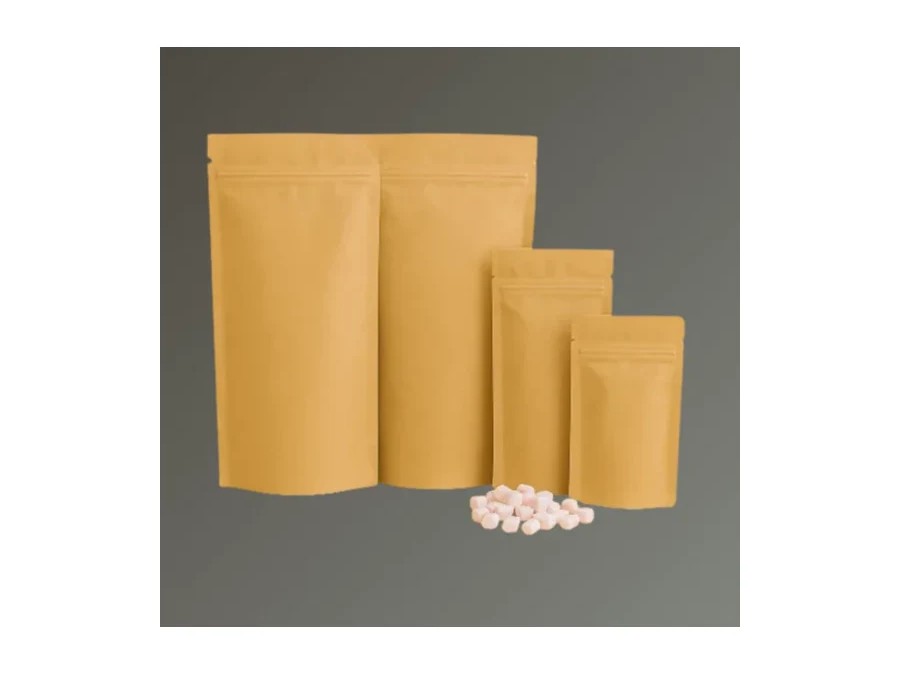
250g, heat-process compatible · Material: Silver retort laminate
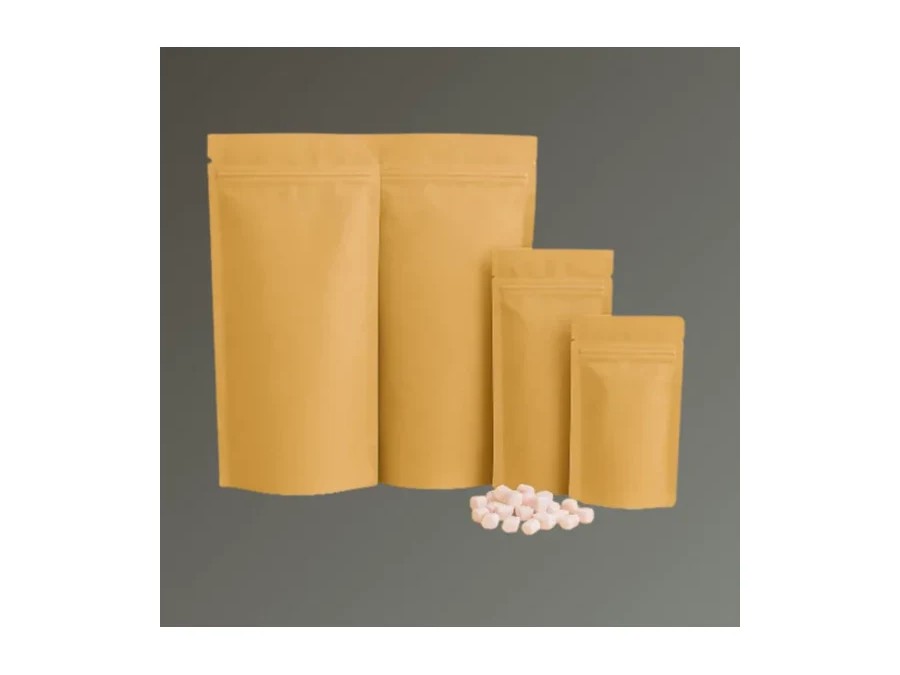
250g, one-way valve · Material: Foil/kraft laminate
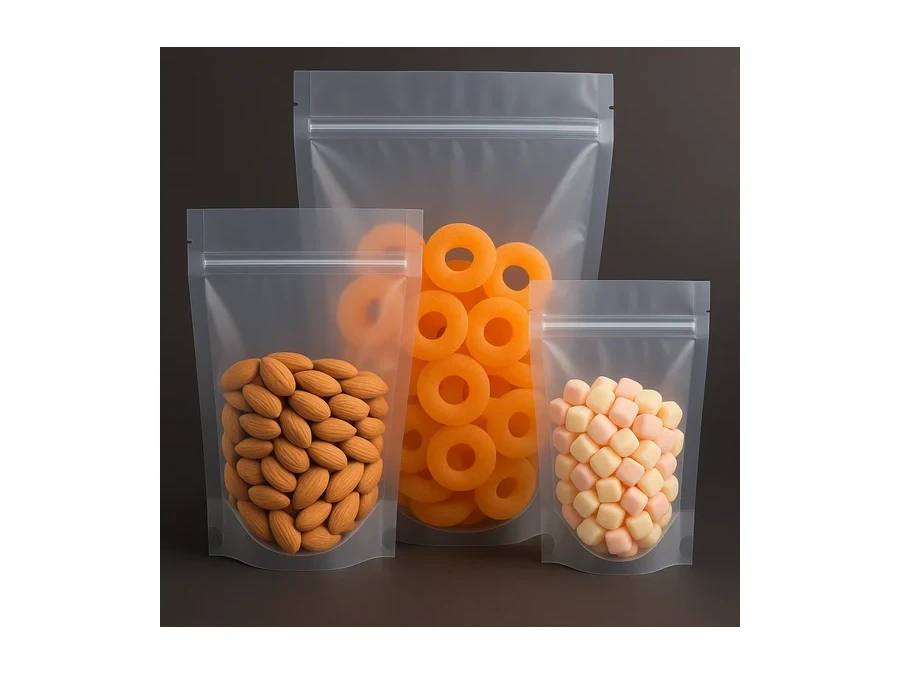
Range: flexible spouted pouches · Use case: drinks, concentrates, refills and liquid product packaging
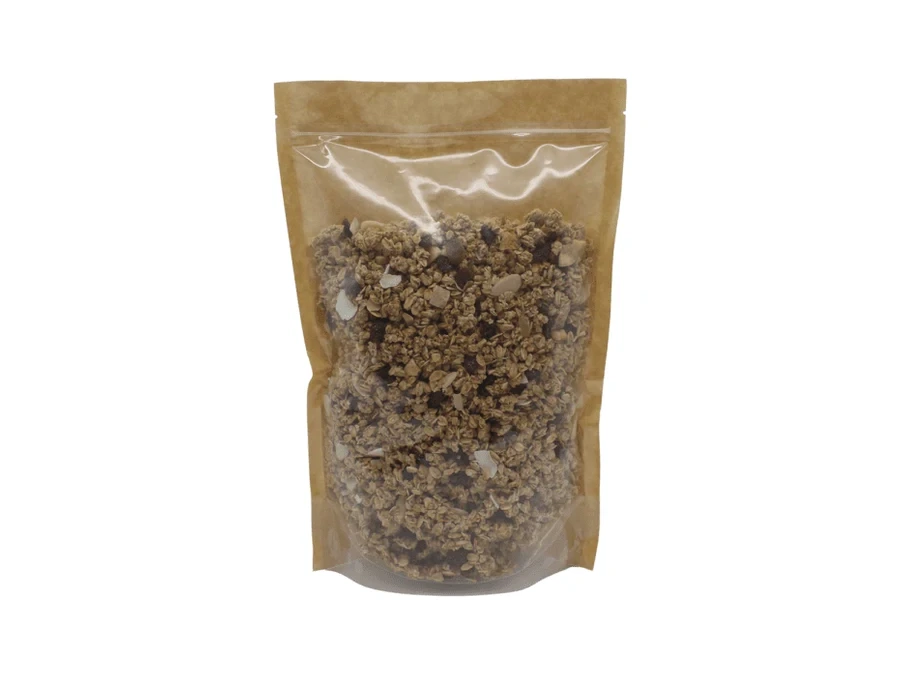
Range: printed stand-up pouches · Use case: retail packs, refill packs and branded pouch packaging
A pouch is a complete structure rather than a single material description. The outer appearance may not reveal the sealant layer, barrier layer, coating, adhesive, zipper, spout or valve. Selection therefore needs a layer or material declaration for the exact format, together with product, filling, sealing and distribution requirements.
Powders, grains, coffee, liquids and refills place different demands on a pouch. Confirm particle size and dust, oil or solvent content, aroma retention, moisture and oxygen sensitivity, fill temperature, drop resistance, headspace and shelf-life target. A window, paper-look surface or metallised layer can change the construction and end-of-life route, so the specification should identify the complete structure.
Provide the pouch dimensions, gusset, opening, zipper or spout position, seal width, film thickness where known and supplied orientation. For automatic equipment, reel or premade-pouch presentation, pitch, registration mark, coefficient of friction and dimensional tolerances may matter. Seal temperature, dwell, pressure and contamination in the seal area must be established by trials with the actual product.
A mono-material description should be supported by a supplier declaration that identifies all functional layers and components within scope. A technically compatible structure still needs to be considered against the collection, sorting and reprocessing route available for the pouch format in the intended UK market. Zippers, valves, spouts, inks, adhesives and labels should be included in the assessment. Where a multi-layer barrier is required to protect the product, the trade-off should be stated rather than hidden behind a broad environmental phrase.
| Selection variable | Questions for approval |
|---|---|
| Format | Stand-up, quad-seal, side-gusset, flat, spouted or reel-fed; premade or formed on the line? |
| Construction | What are the layers, coatings, adhesive, zipper, valve or spout materials? |
| Product protection | Which moisture, oxygen, light, aroma, puncture or chemical barriers are required? |
| Sealing | What sealant layer, temperature window, dwell, pressure and seal-area cleanliness apply? |
| Line handling | How will the pouch be opened, held, filled, settled, sealed, coded and discharged? |
| Evidence | Which dated declarations or tests support material, recycled-content or end-of-life wording? |
For a machine-running pouch, include the smallest and largest approved formats and the position of zippers, valves, spouts and registration marks. Check adjustment access, recipe control, pouch opening, fill-head clearance, dust extraction, seal-jaw cleaning and safe removal of rejected packs. Common trial failures include incomplete opening, product in the seal, wrinkles, channel leaks, weak corners, distorted zippers, poor standing, code adhesion and inconsistent discharge. Each failure should be linked to the pouch, product or setting that caused it before the construction is changed.
If a pouch cannot provide the required barrier, seal integrity, consumer opening or verified end-of-life route, compare a different flexible structure or a rigid pack against the same product-protection and distribution criteria. The correct choice is the format that meets the defined function with supportable evidence, not the format with the broadest environmental description.
Send representative empty pouches and the actual product or a safe equivalent. Include target fill weight or volume, batch and annual quantities, fill temperature, required shelf life, sealing method, coding area, secondary packing and any existing machine details. Acceptance should cover fill consistency, seal integrity, appearance, handling, leakage or drop performance where relevant, and agreed line output under stated test conditions.
Explore the kraft stand-up pouch example, label options, secondary shrink-film options, the evidence guide and the compatibility guide.
Pouch search terms often describe appearance or a broad material idea, while the pack performance comes from a combination of layers and components. A useful specification maps the body films, barrier, sealant, zipper, spout or valve, coatings, print and adhesive before any claim or line trial is approved.
| Pack element | What to confirm | Why it affects selection |
|---|---|---|
| Body structure | Each layer, polymer or paper component, thickness and bonding method | Controls stiffness, puncture resistance, print surface and the scope of any mono-material statement |
| Barrier system | Coating, metallisation or barrier layer and the required oxygen, moisture, light or aroma protection | A simpler structure is not suitable if it cannot protect the product for the agreed life |
| Sealant and seal area | Sealant layer, contamination tolerance, temperature window, dwell, pressure and cooling | Determines seal repeatability, leakage risk and production output |
| Zipper, spout or valve | Material, geometry, attachment method, opening function and component evidence | These components can change filling, sealing, dispensing and end-of-life assessment |
| Print and surface treatment | Ink, varnish, laminate, adhesive, coding method and abrasion requirements | Affects appearance, code quality, friction, handling and material compatibility |
Start with product form, particle size, oil or solvent content, water activity where relevant, oxygen and moisture sensitivity, fill temperature, intended shelf life and storage route. Then identify the minimum barrier and seal performance required. This prevents a paper-look or mono-material objective from overriding the pack's containment and protection function.
For premade pouches, trial opening, filling, dust or product contamination at the seal, zipper or spout presentation, sealing, cooling, coding and discharge. Record pouch dimensions, gusset, film stiffness, coefficient-of-friction behaviour where it affects feeding, and the accepted machine recipe. For hand packing, assess opening effort, seal alignment and operator consistency as well as the finished pack.
The kraft stand-up pouch record and flexible spouted pouch range illustrate different formats, but neither title proves a material or end-of-life route. Use the claims evidence guide to define wording and the compatibility guide to define trials.
Not necessarily. Appearance does not reveal the full structure. Confirm every film, paper, coating, adhesive, barrier, zipper and print layer, then assess the exact format against the intended collection and reprocessing route.
Define the declared scope and confirm the body films, sealant, barrier treatment, zipper, spout, valve, coating, adhesive and inks. A predominantly single-polymer construction should not be described more broadly than its evidence.
Only when the product still meets the agreed shelf-life, seal, leakage, flavour, moisture and oxygen requirements. A controlled storage and distribution trial may be needed before release.
Provide filled and empty examples from representative production, the final zipper, spout or valve, the intended product, size range, seal specification, coding area and the smallest and largest formats planned for the line.
A pouch description does not reveal every layer, coating, zipper, valve or spout. Use the complete construction and the actual product to compare barrier, material efficiency, sealing and end-of-life evidence.
The visible pouch format is only one part of the specification; the product, functional layers, features and seal process determine suitability.
Viscosity, particles and fibres can affect the required spout opening, flow path, filling nozzle, clean seal area and dispensing behaviour. A spout that works for a free-flowing liquid may restrict or trap another product.
Send representative product and use the pouch selection questions before fixing the fitment.
Seal failures can come from contamination, wrinkles, inconsistent presentation, incompatible sealant, a narrow heat-seal window, spout interfaces, flex damage or handling stress. The defect should be located and linked to the material lot and settings.
The fault guide sets out a controlled investigation.
A sample is too small when it cannot cover setup, stable running, normal variation, starts, stops and the required filled-pack checks. The correct quantity depends on the machine and test objective; it should be agreed before samples are produced.
Retain both accepted and failed examples with the trial record.
A pouch structure must protect the product and retain seal integrity after filling, handling, storage and distribution. A material description such as mono-material, kraft-look or high barrier does not establish the result by itself.
No. Test conditions, thickness, seals, zipper, spout, valve, window, product, headspace and distribution can change the finished-pack performance.
Flexing, impact, puncture, abrasion and load can expose weaknesses that are not visible immediately after sealing. Include filled-pack handling and route-specific tests.
Review testing after changes to layer structure, thickness, sealant, zipper, valve, spout, supplier, artwork coverage, filling conditions or storage route.
A pouch material can meet its nominal barrier specification and still fail through a contaminated seal, channel, wrinkle, fitment joint, zipper, valve, pinhole or flex crack. The approval plan should define the defect that matters, test sensitivity, production settings, filled product and distribution conditions.
No. Seal strength measures resistance under a defined method; leak testing looks for an unintended path. A strong seal can contain a small channel, and a leak-free sample does not define the full seal process window.
No. Include the actual product or a justified equivalent, filling contamination, headspace, seal settings, storage and distribution loads.